Sciatica and Low Back Pain in Northville: Real Causes and Drug-Free Care

Struggling with sciatica or low back pain? Dr. Stacie Ford explains the real causes and drug-free care options available at Get Well Chiropractic.
Imagine this: you wake up one morning and a sharp, burning sensation shoots from your lower back down through your buttock and into your leg. You shift positions, trying to find relief, but nothing helps. You've already tried the pain medications, the muscle relaxers, maybe even a round of physical therapy, and yet here you are, still suffering. If that scenario sounds familiar, you are far from alone. Low back pain is one of the leading reasons people miss work in the United States, and sciatica, that distinctive radiating leg pain caused by irritation of the sciatic nerve, affects an estimated 10 to 40 percent of adults at some point in their lives. The frustrating truth is that millions of people are living with this kind of pain without ever fully understanding what is driving it.
What makes sciatica and low back pain so complex is that they are rarely just a “back problem.” The spine, pelvis, surrounding musculature, and nervous system are all deeply interconnected, and dysfunction in one area almost always creates ripple effects elsewhere. That's why surface-level approaches so often fall short, they address the symptom without ever engaging the underlying structural reality. Real, lasting relief requires understanding the full picture, and that's exactly what this article is designed to help you build.
At Get Well Chiropractic, Dr. Stacie Ford works with patients every day who have been through the conventional medical carousel, the referrals, the imaging, the prescriptions, and still haven't found meaningful improvement. This piece is written for you. Whether you're newly experiencing sciatic discomfort or you've been managing low back pain for years, the information ahead is designed to help you make more informed decisions about your own body and your own care.
What Is Sciatica and How Is It Different From General Low Back Pain?
Low back pain is a broad category. It can mean muscle tightness after a long day of yard work, a dull ache from prolonged sitting, or a deep structural issue involving the discs or joints of the lumbar spine. Sciatica, by contrast, is a more specific experience, and understanding the distinction matters enormously when you're trying to figure out the right path forward.
The sciatic nerve is the longest and widest nerve in the human body. It originates from several nerve roots in the lower lumbar spine (typically L4 through S3), travels through the buttock, and branches down through the back of the thigh, knee, calf, and into the foot. When any of those nerve roots or the nerve itself becomes compressed or irritated, the result is that unmistakable combination of pain, burning, numbness, tingling, or even weakness that travels along that nerve pathway.
Common contributors to sciatic nerve irritation include herniated or bulging discs, bone spurs, spinal stenosis, piriformis muscle tension, and vertebral misalignment. General low back pain may or may not involve nerve compression at all, it can stem from ligament strain, facet joint dysfunction, or muscular imbalance without any radiating component. Knowing which you're dealing with shapes every decision that follows, which is why a thorough clinical evaluation is always the appropriate starting point.
Why Do So Many People Struggle to Find Lasting Relief?
One of the most common things I hear from new patients at Get Well Chiropractic is some version of this: “I've done everything they told me to do, and I'm still in pain.” That experience is real, and it points to something important about how low back pain and sciatica are typically managed in conventional settings.
The standard approach often centers on managing symptoms, reducing pain signals through medication, calming inflammation with injections, or strengthening surrounding muscles through generalized physical therapy exercises. These tools aren't without value, but they all share a limitation: they rarely address spinal mechanics. If the underlying issue is a vertebra that has lost its proper alignment and is placing chronic pressure on a nerve root, no amount of ibuprofen or core strengthening will fully resolve that mechanical reality.
Another layer of complexity is that low back problems are frequently multifactorial. A patient might have both a disc issue and significant piriformis tension and a pelvis that has been tilted out of alignment for years. Addressing only one of those components while ignoring the others is a recipe for partial improvement at best. Long-lasting relief tends to follow a comprehensive assessment that identifies every contributing factor, structural, muscular, neurological, and even postural, and addresses them together with a coordinated care plan.
How Does Chiropractic Care and Advanced Therapies Support Recovery From Sciatica?
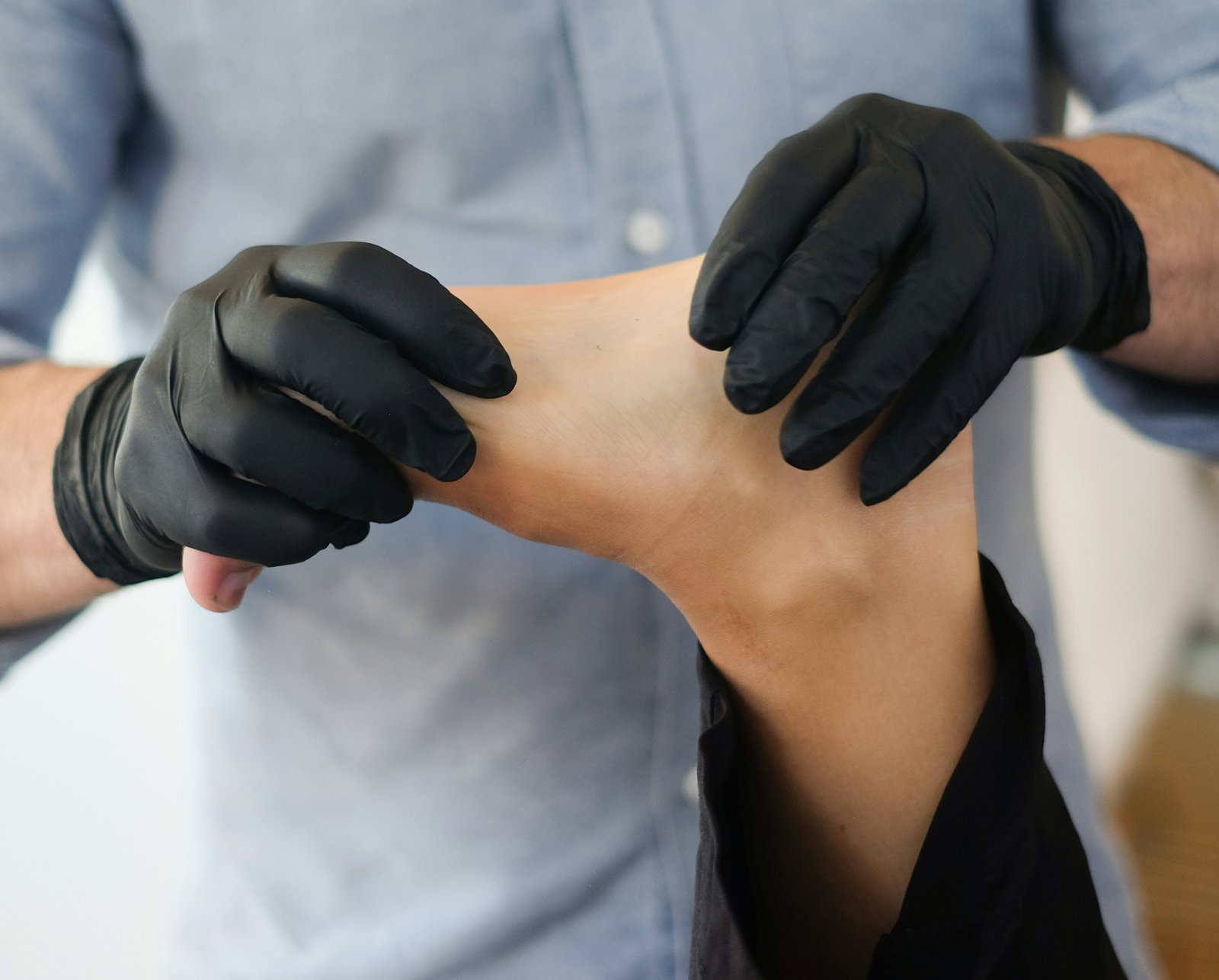
Principled chiropractic care begins with a foundational premise: the nervous system controls and coordinates virtually every function in the body, and the spine is its primary structural protector. When spinal alignment is compromised, nerve communication is affected. Restoring that alignment through precise chiropractic adjustments is often the first and most critical step in addressing the mechanical contributors to sciatica and low back pain.
At Get Well Chiropractic, Dr. Ford goes well beyond the adjustment alone. For patients dealing with disc-related sciatica, spinal decompression therapy is a powerful tool. This non-surgical approach uses a specialized table to gently create negative pressure within the disc space, which may encourage retraction of bulging disc material and improved nutrient flow to the affected area. Many patients who have been told surgery is their only option find meaningful improvement through a structured decompression protocol.
For deeper tissue repair and nerve recovery, therapies like Frequency Specific Microcurrent (FSM), Myo-Acoustical Shockwave Therapy, and cold laser therapy each bring unique mechanisms to the table. FSM works by delivering low-level electrical frequencies that may support cellular repair in specific tissue types. Shockwave therapy stimulates tissue regeneration in chronically affected areas. Cold laser promotes circulation and mitochondrial activity in damaged cells. When applied in combination and guided by clinical judgment, these advanced modalities can meaningfully accelerate what chiropractic adjustments alone begin.
What Can You Do Right Now to Support Your Spine Between Appointments?
Recovery from sciatica and low back pain doesn't only happen in the treatment room, what you do in the hours and days between appointments matters just as much. There are several evidence-informed lifestyle habits that, when applied consistently, can support the work your chiropractor is doing and reduce the likelihood of flare-ups.
Movement is medicine for the spine. While complete rest might feel intuitive during a painful episode, prolonged immobility actually tends to worsen outcomes for most low back conditions. Gentle, intentional movement, short walks, careful stretching, or light mobility work, keeps circulation flowing to spinal tissues and prevents surrounding muscles from tightening protectively around an already irritated area. Your care team can guide you toward movements that are appropriate for your specific presentation.
Postural awareness is equally important. The average American adult spends a significant portion of their day seated, and prolonged sitting places disproportionate load on the lumbar discs and sacroiliac joints. Mindful adjustments, standing desks, lumbar support cushions, regular movement breaks, can reduce that cumulative stress considerably. Sleep position also matters; for many people with active sciatica, side-lying with a pillow between the knees or back-lying with a pillow under the knees provides meaningful comfort by reducing tension on the sciatic nerve pathway.
Finally, nutrition and hydration play a surprisingly important role in spinal disc health. The intervertebral discs are largely avascular, meaning they rely on fluid movement and osmotic pressure to receive nutrients. Staying well hydrated and supporting your body with whole-food nutrition, areas where Get Well Chiropractic's whole-body nutritional services can provide personalized guidance, is an investment in your structural resilience over the long term.
Sciatica and low back pain are among the most disruptive experiences a person can live with, not just physically, but emotionally and professionally. The good news is that the human body has a remarkable capacity to recover when it is given the right structural support, the right therapies, and the right environment for healing. What separates those who find lasting relief from those who continue to cycle through frustration is rarely effort, it's access to care that looks at the whole picture. At Get Well Chiropractic, Dr. Stacie Ford brings principled chiropractic expertise together with a suite of advanced, evidence-informed therapies specifically because she knows that real resolution rarely comes from a single tool. If you've been told there's nothing more that can be done, or if you're simply tired of managing pain rather than overcoming it, you deserve to know that there is another path available to you.
Dr. Stacie Ford and the Get Well Chiropractic team are currently welcoming new patients, and no-obligation appointments are available now, there's no commitment required to simply have a conversation about what you're experiencing. Call our office today and take the first step toward understanding what is actually driving your pain and what a personalized, comprehensive care plan could look like for you. You've waited long enough.
The information provided in this article is intended for educational purposes only and does not constitute medical advice, diagnosis, or a treatment plan for any specific condition. Reading this content does not establish a doctor-patient relationship. Individual results vary, and all healthcare decisions should be made in consultation with a licensed healthcare provider who can evaluate your specific health history and needs. If you are experiencing severe or worsening symptoms, please seek appropriate medical attention promptly.