Running and Cycling Injuries in Northville: How Chiropractic Care Gets Active Adults Back in Action
IT band syndrome, plantar fasciitis, and lower back pain from cycling are predictable injuries—and they're predictable because they share a root cause: repetitive stress on structures that are already under mechanical strain. Runners and cyclists in Northville who try to rest through these injuries often find themselves back on the same injury cycle within weeks of returning to training. Chiropractic care works for these injuries not because it "treats" the affected tissue directly, but because it addresses the biomechanical dysfunction that made that tissue vulnerable in the first place.
Why Northville's Active Adults Are Particularly Prone to Overuse Injuries
Northville and the surrounding area offer some of the best road and trail running in Metro Detroit—the Hines Drive path system, the Maybury State Park trails, and the Northville Township recreation paths draw consistent year-round traffic. That's exactly why overuse injuries here are a chronic problem rather than an occasional one. These aren't contact sport injuries; they develop gradually from accumulated repetitive stress.
Research published in the British Journal of Sports Medicine found that up to 79% of recreational runners sustain an injury during any given year—with the knee, lower leg, and foot accounting for roughly 70% of all injuries. The research, led by Dr. Ralf van Gent at Erasmus Medical Centre, identified training volume and prior injury as the two strongest predictors—but biomechanical factors, including hip and ankle mobility and spinal alignment, were significant contributors across injury categories.
The Most Common Running Injuries We See in Northville
IT Band Syndrome
The iliotibial (IT) band runs along the outside of the thigh from the hip to the knee. When the hip abductor muscles are weak or the pelvis is misaligned, the IT band compensates—and the friction at the lateral knee becomes painful enough to end a run. IT band syndrome is the most common cause of lateral knee pain in runners and responds poorly to isolated stretching, because the band itself is not the problem. Hip and sacroiliac joint function is.
Plantar Fasciitis
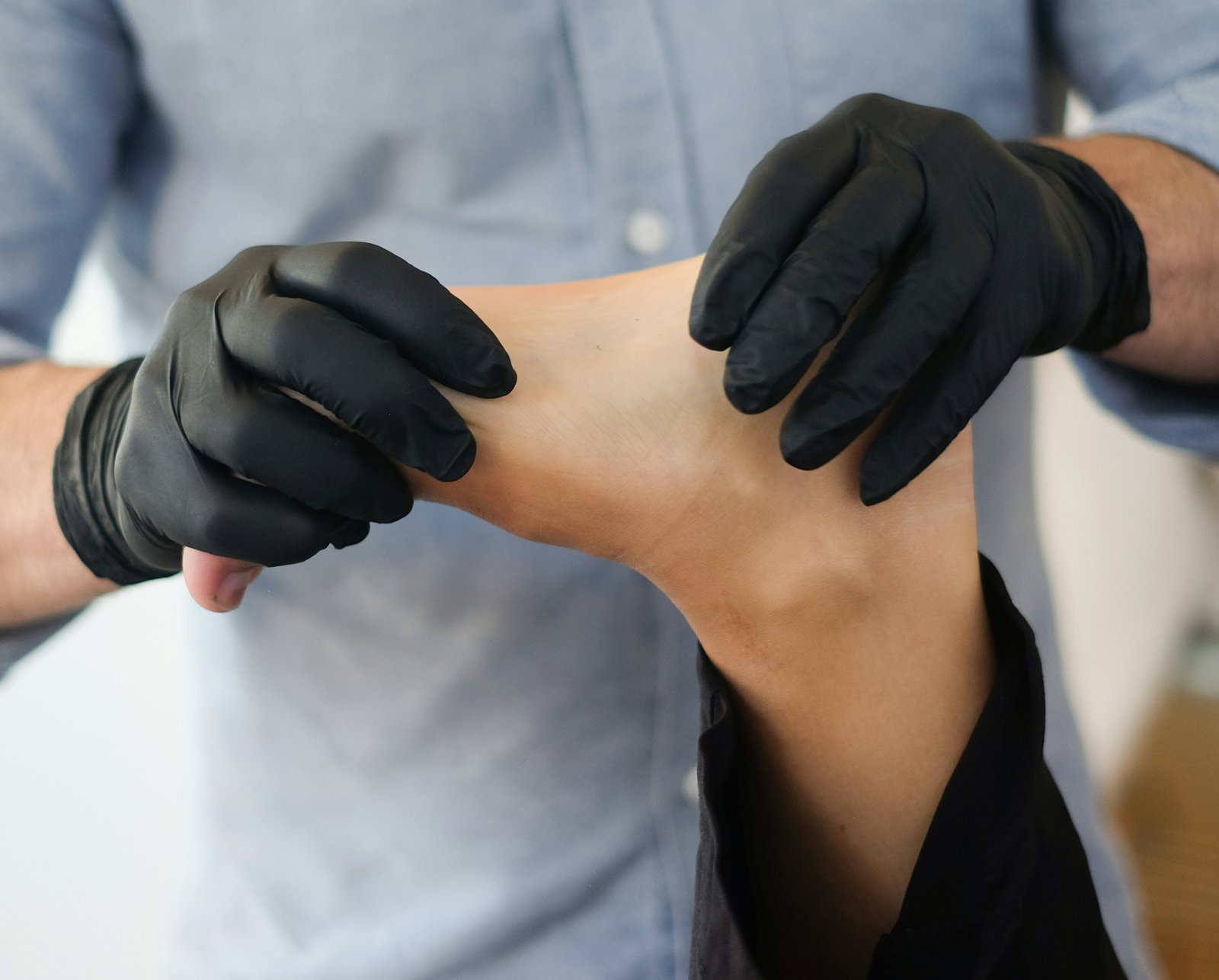
The classic first-step morning pain. Plantar fasciitis is often presented as a heel issue, but the fascia is under elevated load because something upstream—calf tightness, restricted ankle dorsiflexion, or altered foot strike mechanics from a stiff lumbar spine—is distributing more stress to the plantar surface. Treating only the foot, without addressing the mechanical contributors, produces temporary relief at best.
Shin Splints (Medial Tibial Stress Syndrome)
Common in newer runners and those who increase mileage too quickly, shin splints involve stress on the tibial periosteum from repeated foot strike. Overpronation, leg length asymmetry, and hip drop during the stance phase are all biomechanical contributors that chiropractic assessment identifies and addresses.
Runner's Knee (Patellofemoral Pain Syndrome)
Vague pain around or behind the kneecap during and after running. The kneecap tracks abnormally because quadriceps muscle imbalance, hip weakness, or tibial rotation is pulling it off its normal path. This is a full kinetic-chain problem—not a knee problem.
Common Cycling Injuries and Their Root Causes
Cycling injuries cluster around three areas: the lower back, the knee, and the neck/upper back. Most are position-related, but position problems are often driven by underlying mobility restrictions.
- Lower back pain: The sustained lumbar flexion of road cycling loads the posterior spinal structures continuously. When thoracic mobility is restricted, the lumbar spine compensates with excessive flexion, accelerating strain on the discs and facet joints.
- Knee pain (cyclist's knee): Similar to IT band syndrome in runners but often presents more medially. Saddle height, cleat alignment, and pedaling mechanics all factor in—but underlying hip alignment and quadriceps imbalance are usually the biomechanical drivers.
- Neck and shoulder tension: Extended time in the forward-head riding position strains the cervical extensors and upper trapezius. Restricted thoracic rotation from sedentary work habits compounds the problem.
The Biomechanical Case for Chiropractic Care
Dr. Stuart McGill, Professor Emeritus of Spine Biomechanics at the University of Waterloo and one of the world's leading researchers on spinal function and athletic performance, has documented extensively in his published research that restricted joint mobility in the lumbar and pelvic region directly affects load distribution in the lower extremities—meaning a stiff lumbar spine or a restricted sacroiliac joint is not a back problem, it's a whole-body mechanical problem that changes how forces travel through the hips, knees, and ankles during every stride and pedal revolution.
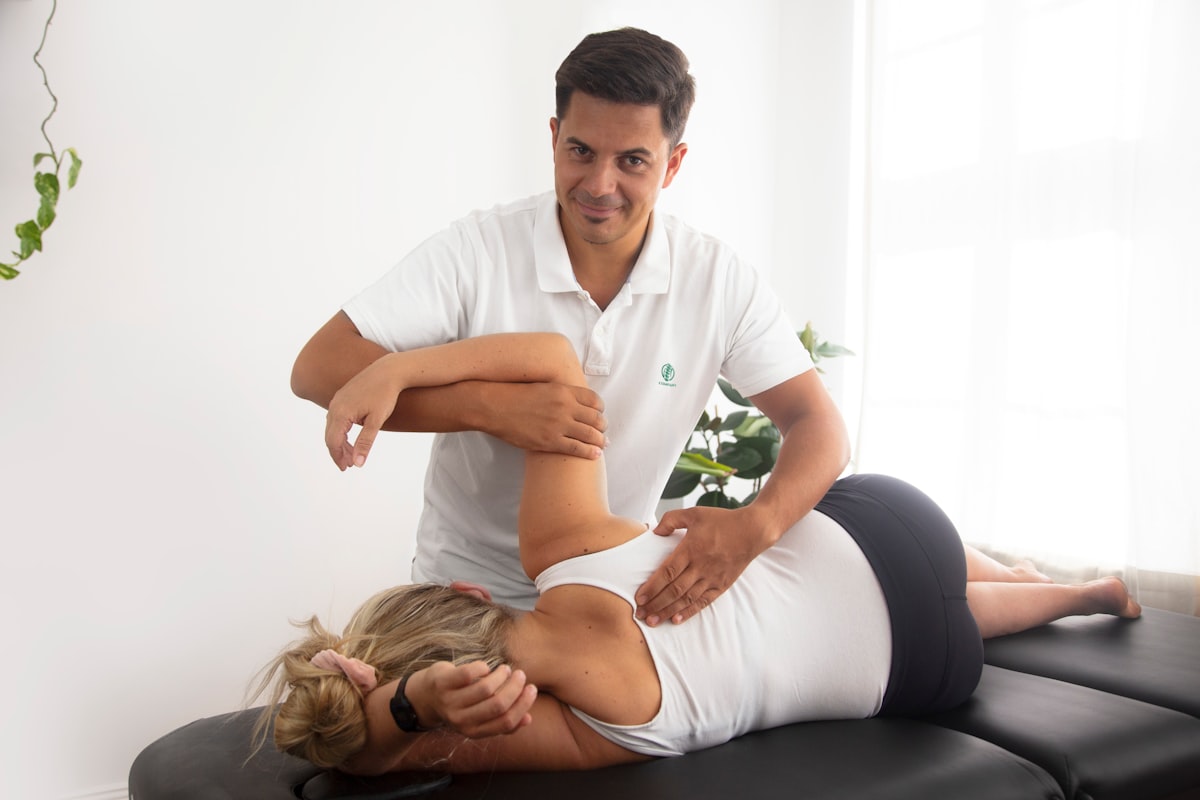
Chiropractic adjustments restore joint mobility directly. When a sacroiliac joint that has been locked in a restricted position is properly mobilized, hip extension improves, gluteal activation improves, and the downstream mechanical strain on the knee and foot often decreases noticeably within a few visits. This is not symptom management—it's correcting the mechanical basis of the injury.
What Treatment Looks Like at Get Well Chiropractic of Northville
A typical course of care for a running or cycling overuse injury begins with a biomechanical assessment: we evaluate gait, hip and lumbar mobility, hip and glute strength, and foot mechanics. This tells us where the restriction is that's loading the injured structure.
From there, treatment typically combines:
- Chiropractic adjustment to the lumbar spine, sacroiliac joint, hip, and in many cases the ankle and foot—wherever restricted mobility is contributing to the problem.
- Active Release Technique (ART) for tight, overworked muscles and adhered soft tissue—particularly effective for IT band and calf restrictions that stretching alone cannot resolve.
- Therapeutic exercises targeting the specific weaknesses identified in the assessment—most commonly hip abductor and glute med strengthening for IT band and runner's knee presentations.
- Load management guidance—how to modify training during recovery so you're not re-injuring the tissue while it heals.
Most patients with IT band syndrome, plantar fasciitis, and cycling knee pain see meaningful improvement within 4–8 visits. The goal is always return to full training, not indefinite management.
FAQ
How quickly can I return to running or cycling after starting treatment?
For most overuse injuries, modified training begins immediately—typically reducing volume and intensity while treatment progresses, rather than complete rest. Complete rest often allows the injury to quiet down without resolving the underlying cause, leading to re-injury on return. A structured, graded return-to-activity plan is part of care here.
Is chiropractic care covered for sports injuries under standard health insurance?
Most major health insurance plans cover chiropractic care for musculoskeletal conditions, including sports injuries. Coverage varies by plan, deductible, and visit limits. We verify insurance benefits before your first visit and walk you through your coverage so there are no surprises.
Do I need a referral from my primary care physician?
In Michigan, chiropractic care is direct-access, meaning you can schedule an appointment without a physician referral. That said, if you have had imaging (X-ray or MRI) for the injury, bringing those records to your first visit helps us give you a faster and more targeted assessment.
What makes chiropractic different from physical therapy for these injuries?
Physical therapy and chiropractic often overlap significantly for sports injuries, and they are complementary, not competing. The primary distinction: chiropractic includes joint mobilization and manipulation as a core treatment modality. When a joint restriction is the primary driver of a movement problem, manipulation often produces faster restoration of mobility than exercise alone. Many of our patients also receive massage therapy, which we integrate with chiropractic for soft tissue-heavy presentations like IT band and plantar fasciitis.
Can chiropractic care help prevent injuries, not just treat them?
Yes—and this is how we prefer to work with active patients. A movement screen and maintenance adjustments every 4–6 weeks during peak training season helps identify developing restrictions before they progress to injury. Athletes who maintain spinal and pelvic mobility through training are substantially less likely to develop the compensatory patterns that lead to overuse injuries.
The information provided in this article is intended for educational purposes only and does not constitute medical advice, diagnosis, or a treatment plan for any specific condition.