Hip Pain in Northville, MI: Drug-Free Treatment at Get Well Chiropractic
Hip pain in Northville affects a wide range of patients — from adults in their 40s noticing stiffness on a morning walk to retirees who have quietly stopped doing the activities they love because every step reminds them the hip is not right. It is also one of the most underestimated problems in primary care, frequently managed with anti-inflammatories and a recommendation to "take it easy" without any real evaluation of what is driving the restriction. At Get Well Chiropractic in Northville, Dr. Stacie Ford takes a different approach — one that starts with a thorough look at the whole mechanical picture, not just the hip joint itself.
Who Hip Pain Affects — and Why It Is More Common Than Most People Think
Osteoarthritis is the most common form of arthritis in the United States, affecting more than 32.5 million U.S. adults according to the Centers for Disease Control and Prevention. The hip is one of its most common targets. A 2024 clinical review published in the National Library of Medicine found that the prevalence of primary hip osteoarthritis is estimated at 8.0% for women and 6.7% for men — making it a remarkably common condition that many patients never connect to the drug-free care options available to them.
Hip pain is not only osteoarthritis. Patients at Get Well Chiropractic present with a range of hip conditions: hip flexor strains, trochanteric bursitis, labral irritation, piriformis syndrome, sacroiliac joint dysfunction, and referred pain from lumbar disc problems that mimics hip pain so closely that patients often cannot tell the difference without a proper evaluation. Identifying the actual source of the pain — and the mechanical contributors feeding it — is the first job of a thorough exam.
Why the Hip Does Not Function in Isolation
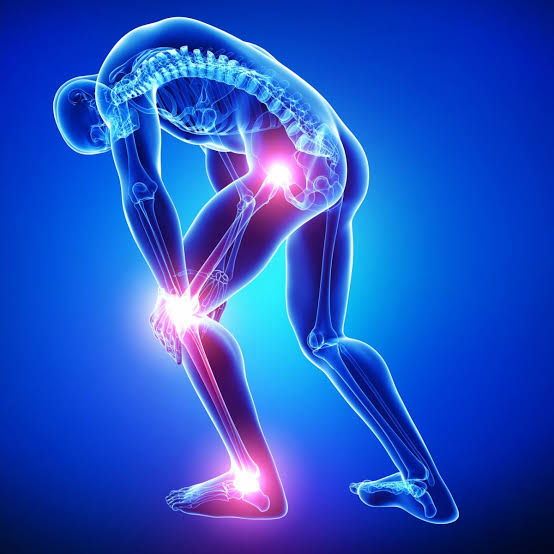
The hip is structurally positioned between two major mechanical systems: the lumbar spine and pelvis above, and the knee and foot below. When any of those systems is restricted, rotated, or weakened, the hip absorbs compensatory load it was not designed to carry long-term. This is why many patients with hip pain also have lumbar tightness, sacroiliac joint soreness, or knee problems — and why treating only the hip in isolation frequently produces limited results.
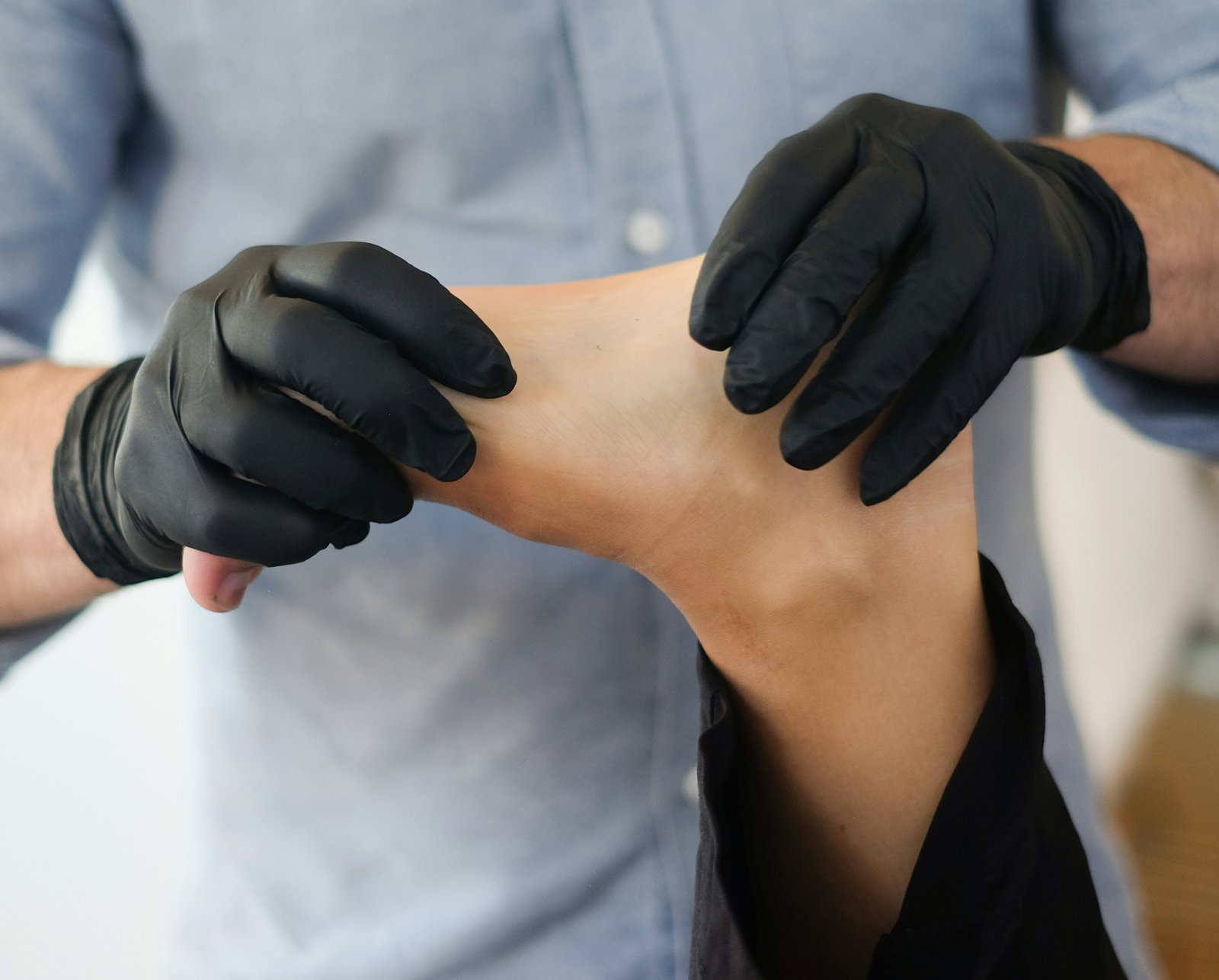
At Get Well Chiropractic, Dr. Ford's approach to hip pain begins with a full kinetic chain evaluation: lumbar spine and sacroiliac joint function, hip range of motion and orthopedic testing, pelvis level and rotation, and gait assessment. The goal is to identify not just where the pain is, but what is loading the hip abnormally and why. That distinction is what makes the care plan effective rather than symptomatic.
The Evidence for Manual Therapy in Hip Pain
The research supporting conservative manual care for hip conditions — including hip osteoarthritis — is clear and consistent. A clinical study published in the Journal of Manual & Manipulative Therapy followed patients with hip osteoarthritis through a 10-session manual therapy protocol over 8 weeks. Pain scores improved from an average of 4.3 to 2.0 on the numerical pain rating scale, and hip flexion range of motion increased from 99 degrees to 127 degrees. Critically, those improvements were statistically significant not just at the end of treatment, but at the 29-week follow-up — suggesting that properly applied manual care produces lasting structural improvement, not just temporary relief.
For patients managing hip OA who want to avoid or delay surgery, conservative manual care is the direction clinical guidelines increasingly support. The question is not usually whether manual therapy works for hip pain — the research is consistent on that point — but whether the evaluation is comprehensive enough to address the full mechanical picture driving the condition.
MYACT Acoustic Wave Therapy for Hip Conditions
Two of the most common hip pain drivers — trochanteric bursitis and gluteal tendinopathy — are soft tissue conditions that respond particularly well to MYACT (Myofascial Acoustic Compression Therapy), one of the specialized tools Dr. Ford uses at Get Well Chiropractic. MYACT delivers targeted acoustic sound waves into the affected tendon or bursae, stimulating the tissue-repair process at the cellular level. For patients with chronic greater trochanteric pain syndrome — the aching outer hip that worsens with lying on that side, climbing stairs, or crossing the legs — MYACT addresses the underlying tissue pathology directly rather than masking the pain.
Sessions are brief and non-invasive, typically 10 to 15 minutes at the treatment site. Most patients with chronic tendinopathy see progressive improvement across a series of treatments, with the most meaningful change appearing two to four weeks into care as the tissue response builds.
Cold Laser and Massage: Supporting the Full Recovery Picture
Cold laser therapy plays a supporting role in hip pain care at Get Well Chiropractic, particularly when active inflammation is present — an acutely irritated sacroiliac joint, a flaring bursitis, or recent-onset hip soreness following increased activity. Cold laser delivers focused photonic energy into inflamed tissue at the cellular level, accelerating repair and reducing swelling without heat or discomfort. For patients who are not yet ready for hands-on manual work at the hip, cold laser can begin the recovery process while the acute phase settles.
Therapeutic massage rounds out the approach by releasing the muscular restrictions that develop around a painful hip over time. The hip flexors, piriformis, gluteus medius, and iliotibial band all tighten protectively in response to hip pain — and that guarding pattern becomes a source of restriction and discomfort in its own right. Targeted work on these structures restores circulation, reduces protective tension, and prepares the joint for more effective chiropractic care. When sequenced correctly, the combined effect exceeds what any single approach produces alone.
What Hip Pain Care Looks Like at Get Well Chiropractic
New patients presenting with hip pain begin with a full intake: pain history and onset, aggravating and relieving factors, a postural and gait assessment, orthopedic hip testing (FADIR, FABER, and Thomas tests), lumbar and sacroiliac joint evaluation, and range-of-motion measurement in all planes. Dr. Ford explains her findings clearly and builds a care plan that addresses the whole mechanical picture.
Most patients notice meaningful improvement within the first two to four weeks of consistent care, though the timeline depends on how long the problem has been building and what is driving it. Progress is tracked with objective measures throughout the plan. The goal is not just reducing pain: it is restoring hip function to the point where daily activities — walking, climbing stairs, sleeping comfortably, staying active in Northville — are no longer limited by what the hip can tolerate.
If hip pain has been limiting your life in Northville — whether that is golf, hiking, gardening, or simply getting through a full day without aching — there is a real, drug-free path forward. Dr. Stacie Ford and the team at Get Well Chiropractic are accepting new patients and no referral is needed. Contact us or call (248) 465-0000 to schedule your first appointment.
Frequently Asked Questions
Can a chiropractor treat hip pain, or is it only for back problems?
Chiropractors are trained in the evaluation and treatment of the full musculoskeletal system, including the hip joint and the spinal and pelvic segments that directly influence hip mechanics. Many hip pain presentations have a lumbar, sacroiliac, or pelvic component that plays an equal or greater role than the hip structure itself. Dr. Ford's evaluation covers the complete kinetic chain — which is often why her approach produces results where isolated hip-focused treatments have not.
How do I know whether my hip pain is osteoarthritis or something else?
A thorough clinical evaluation — including orthopedic testing, range-of-motion assessment, and a history of when the pain starts and what makes it better or worse — usually gives Dr. Ford the information she needs to identify the likely source. Osteoarthritis typically presents with stiffness that improves with movement and pain at the end ranges of motion; bursitis tends to produce point tenderness and pain with side-lying; referred pain from the lumbar spine can closely mimic hip pain. Imaging is not always required to begin care effectively. Dr. Ford will tell you clearly if she believes X-rays or an MRI would change the treatment approach.
Can chiropractic care help if I have already been told I may need a hip replacement?
Many patients come to Dr. Ford after receiving a surgery recommendation, often because they want to explore conservative options first. In some cases, addressing the mechanical contributors to hip loading — lumbar restriction, pelvic imbalance, and soft tissue tightness — can meaningfully reduce the pain and functional limitation that drove the surgical recommendation. This is not a guarantee of avoiding surgery, and Dr. Ford will be honest about what conservative care can and cannot address. But a thorough trial of conservative care is reasonable before committing to an elective procedure, and many patients find it significantly changes the equation.
What is trochanteric bursitis and how is it treated?
Trochanteric bursitis — more accurately called greater trochanteric pain syndrome — is irritation of the bursae that cushion the outer hip. It typically causes aching or burning pain on the outer thigh that worsens with walking, climbing stairs, lying on that side, or crossing the legs. It is most common in women over 40 and frequently accompanies lumbar and sacroiliac joint problems. At Get Well Chiropractic, treatment combines addressing the underlying biomechanical load on the trochanter, MYACT acoustic wave therapy directly at the irritated tissue, cold laser to reduce active inflammation, and soft tissue work on the surrounding musculature.
How long does it take to see results from chiropractic care for hip pain?
Most patients notice meaningful change in pain levels and mobility within two to four weeks of consistent care, though the timeline depends on how long the problem has been present and what is contributing to it. Acute-onset hip pain — a recent strain or bursitis flare — often responds faster than hip osteoarthritis that has been building for years. Dr. Ford will give you a realistic timeline based on her specific findings at your first visit.
The information provided in this article is intended for educational purposes only and does not constitute medical advice, diagnosis, or a treatment plan for any specific condition. Reading this content does not establish a doctor-patient relationship. Individual results vary, and all healthcare decisions should be made in consultation with a licensed healthcare provider. If you are experiencing severe or worsening symptoms, please seek appropriate medical attention promptly.