
Plantar Fasciitis Treatment in Northville, MI: Why It Persists and What Actually Resolves It
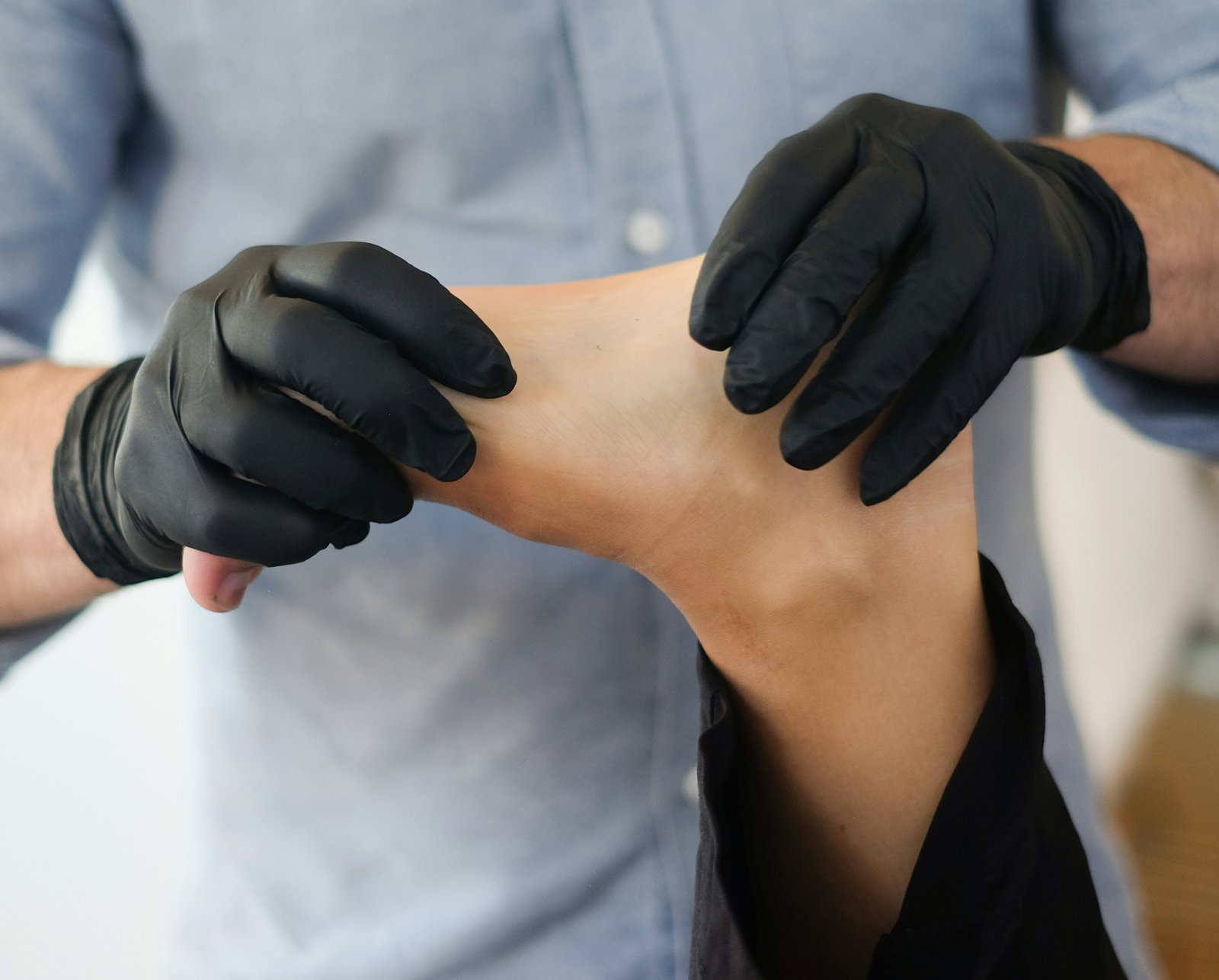
Plantar fasciitis starts as a predictable morning pain — the first steps out of bed feel like walking on broken glass — and becomes a grinding limitation that affects how you walk, exercise, and spend your day. It is also one of the most frequently mismanaged conditions in musculoskeletal care, because the standard advice (rest, stretch, orthotics) is correct as far as it goes but often fails to address the biomechanical pattern driving it. At Get Well Chiropractic in Northville, the treatment approach works backward from that pattern rather than just managing the pain.
What Plantar Fasciitis Actually Is
The plantar fascia is a thick band of connective tissue that runs along the bottom of the foot from the heel to the toes, functioning as a shock-absorber and arch support during movement. Plantar fasciitis is a repetitive strain condition: the fascia is loaded beyond its capacity to recover, micro-tears accumulate faster than they heal, and the resulting inflammation — concentrated where the fascia attaches to the heel bone — produces the characteristic pain.
According to a review in StatPearls (National Center for Biotechnology Information), plantar fasciitis affects approximately 10% of the population over a lifetime, making it the most common cause of heel pain in adults and one of the most common musculoskeletal complaints seen in outpatient practice. The same source notes that roughly 75% of cases resolve within twelve months with conservative treatment — which is reassuring, but the key word is "conservative treatment": passive approaches alone rarely produce that outcome as quickly as active, targeted care does.
Why Some Cases Persist for Months
The cases that drag on for six, twelve, or eighteen months share a common pattern: the pain management is addressed but the mechanical cause is not. Plantar fasciitis is most commonly driven by a combination of calf tightness (which increases tension on the fascia during gait), faulty foot mechanics (excessive pronation, high arch, or altered ankle mobility), and overload — too much standing, too much distance, too little recovery. Ice, NSAIDs, and rest reduce the acute inflammation. They do not correct calf tightness. They do not change foot mechanics. They do not address what is happening in the ankle, knee, and hip that is placing abnormal load on the fascia in the first place.
When the underlying mechanical pattern is not addressed, the fascia never gets ahead of the micro-trauma cycle. The pain diminishes during rest, then returns as soon as the activity level increases. This is why patients often report the same injury recurring season after season.
What a Chiropractic Approach Adds
Chiropractic care for plantar fasciitis works at several levels that stretching and orthotics cannot reach on their own. Dr. Stacie Ford's evaluation includes the foot and ankle, but also the knee, hip, and lower back — because the fascial chain that is under tension in plantar fasciitis extends well beyond the heel, and restrictions anywhere in that chain contribute to the overload.
Specific treatment tools include:
- Chiropractic adjustment of the foot, ankle, and subtalar joint. Restricted joint mobility in the ankle and midfoot changes gait mechanics and increases fascial load. Restoring full joint motion is often one of the fastest ways to reduce the mechanical stress driving the condition.
- Soft tissue work and myofascial release. Adhesions in the calf and along the plantar surface limit flexibility and concentrate load at the heel attachment. Manual soft tissue therapy addresses these directly.
- Shockwave therapy (myACT). For cases that are not responding quickly to manual treatment, acoustic wave therapy stimulates tissue remodeling and breaks up calcified deposits at the fascial attachment. It is one of the more evidence-supported interventions for chronic plantar fasciitis that has not responded to conservative care.
- Rehabilitative exercises. Eccentric calf loading — the specific exercise protocol shown in research to accelerate recovery in plantar fasciitis — is significantly more effective than generic stretching. The protocol and the progression are designed around each patient's starting point and activity level.
Who This Treatment Is Right For
Get Well Chiropractic's plantar fasciitis treatment is appropriate for anyone experiencing heel pain, whether the condition is new or has persisted through previous treatment attempts. If you have already tried stretching, night splints, and store-bought orthotics without durable relief, the missing piece is usually the mechanical evaluation and the treatment modalities that address what the standard approach does not.
Northville, Novi, Plymouth, and Livonia residents can schedule a same-day or next-day evaluation at our Northville office. Dr. Ford will review your history, assess the relevant joints and soft tissue, and give you a clear explanation of what is driving your pain and what the treatment plan looks like before any treatment begins. Contact Get Well Chiropractic to schedule.
Frequently Asked Questions
How long does plantar fasciitis treatment take?
For cases caught early and treated with a combined approach, meaningful improvement typically comes within four to six weeks. Chronic cases — especially those where the tissue has been inflamed for more than six months — take longer, and cases with calcification at the heel attachment typically respond to shockwave therapy but over a longer treatment course. Dr. Ford will give you a realistic timeline at your initial evaluation based on the stage and severity of your specific presentation.
Should I stop running or walking while being treated?
Total rest is rarely necessary or helpful for plantar fasciitis. Activity modification — reducing mileage, switching temporarily to lower-impact activities, avoiding barefoot walking on hard surfaces — is usually more practical and more effective than stopping entirely. Complete rest removes the loading that drives inflammation but also removes the controlled loading that helps the tissue remodel and strengthen. Dr. Ford will advise a specific activity protocol based on your presentation and goals.
Are custom orthotics necessary?
Custom orthotics help a meaningful subset of plantar fasciitis patients, particularly those with significant pronation or high-arch mechanics that contribute to fascial overload. They are not necessary for everyone, and they are most effective as one component of a comprehensive treatment plan — not as a standalone solution. Dr. Ford can assess whether your foot mechanics make custom orthotics a worthwhile addition to your treatment.
What is the difference between plantar fasciitis and a heel spur?
A heel spur is a calcium deposit that forms at the attachment of the plantar fascia to the heel bone. Heel spurs are present on imaging in many people who have had plantar fasciitis, but they are not the source of the pain — the inflamed fascial tissue is. Removing a heel spur does not resolve plantar fasciitis. Treatment targets the fascial tissue and the mechanical pattern, not the bony deposit.
Does chiropractic care for plantar fasciitis require a referral?
No referral is needed to schedule at Get Well Chiropractic in Northville. Michigan allows direct access to chiropractic care without a physician referral. If you have imaging from a previous provider, bring it with you — it is useful context for the evaluation, but it is not required. Contact us to schedule or ask questions before your appointment.