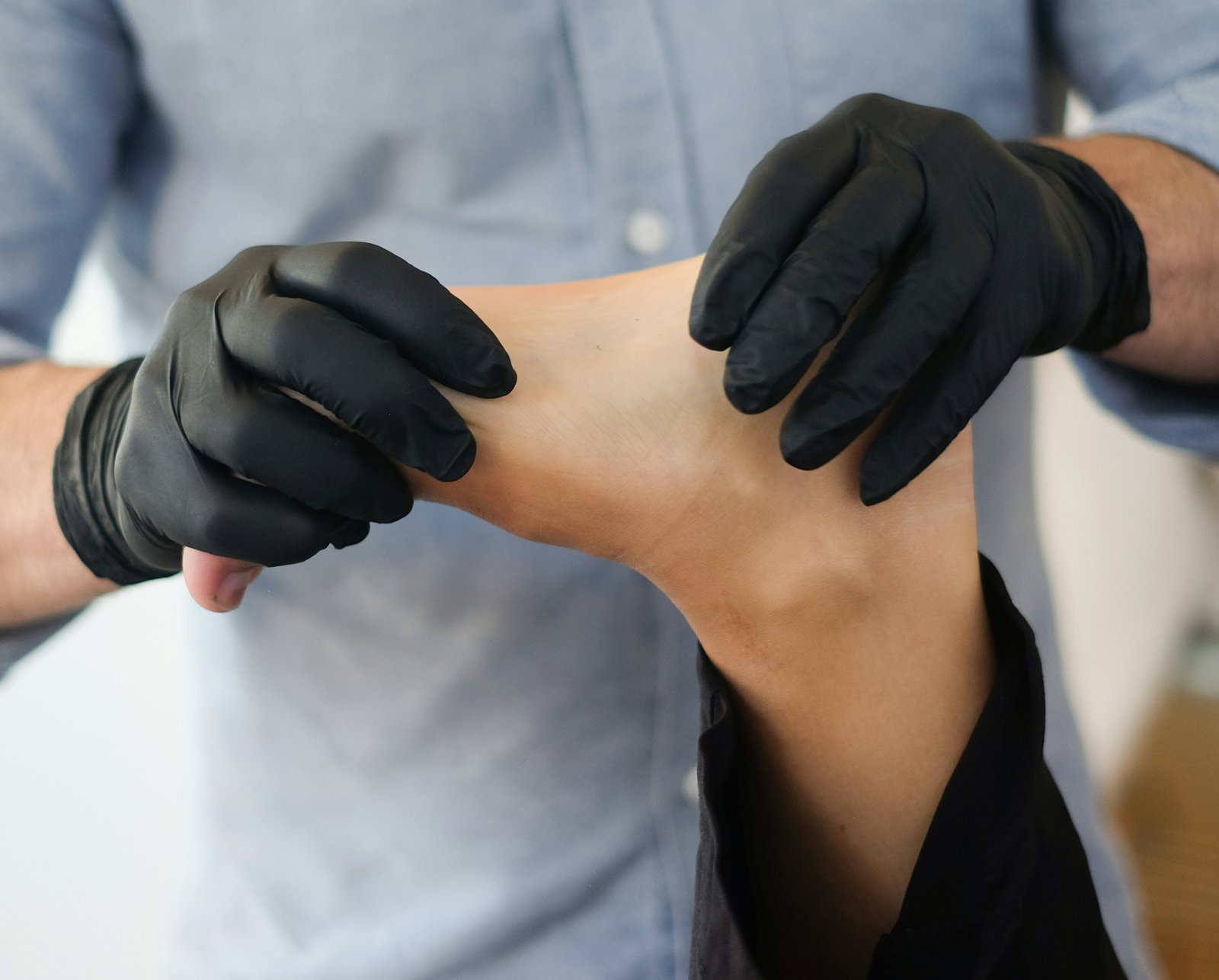
Herniated Disc Treatment in Northville, MI: Non-Surgical Relief with Chiropractic Care and Spinal Decompression

A herniated lumbar disc is one of the most common sources of radiating leg pain, numbness, and weakness in the lower extremity. Patients often describe these symptoms as sciatica, though the disc itself is the underlying driver. The pain can range from a dull ache in the lower back to sharp, burning discomfort that travels into the foot. For most patients, the right first step is not surgery. Conservative, non-surgical care can relieve the nerve pressure producing those symptoms, and the evidence behind dedicated spinal decompression has grown considerably in recent years. Here is what herniated disc treatment looks like at Get Well Chiropractic of Northville.
What a Herniated Disc Is
Each spinal disc sits between two vertebrae, absorbs shock, and allows movement. The disc has a tough outer ring called the annulus fibrosus and a gel-like center called the nucleus pulposus. When the outer ring weakens or tears, the inner material can push outward and press against a nearby nerve root. In the lumbar spine, that pressure produces the radiating pain, tingling, and leg weakness patients associate with sciatica. Most lumbar herniations occur at L4-L5 or L5-S1, the two lowest motion segments of the spine. The specific symptoms depend on which nerve root is involved and how much compression is present.
How Common Is This Condition
A 2025 review in the National Library of Medicine found that lumbar disc herniation affects approximately 1 to 3 percent of the population each year, with peak incidence in adults between ages 30 and 50. It is among the leading structural causes of low back pain and leg symptoms in working-age adults. Many patients have been managing flare-ups with over-the-counter medication or rest for months before they seek a structural evaluation.
What the Research Shows for Non-Surgical Spinal Decompression
The DRX9000 is a motorized spinal decompression device that applies gentle, cyclic distraction to the lumbar spine. The mechanism is well-established: controlled distraction reduces intradiscal pressure, which creates a negative pressure gradient that draws herniated material back toward the center of the disc and allows fluid and nutrients to return. Over a course of treatment, this can produce measurable changes in disc structure.
A 2025 case series published in the Journal of Chiropractic Education followed 13 patients with lumbar disc lesions treated with the DRX9000. Patients experienced an average of 80 percent improvement in pain scores. Imaging documented herniation reduction in 77 percent of cases, and disc height increased by 1.4 to 1.6 millimeters on follow-up MRI. The study authors concluded that DRX9000 non-surgical spinal decompression is a viable, conservative option for treating lumbar lesions of the intervertebral disc with a high value for both subjective and objective clinical results.
For patients who have been offered surgery or indefinite pain management as their only options, those results represent a meaningful alternative worth exploring before agreeing to an operation.
What We Do for Herniated Discs at Get Well Chiropractic
We tailor each plan to what is actually driving your symptoms. These are the tools we use for disc-related cases:
DRX9000 non-surgical spinal decompression. Our DRX9000 protocol delivers gentle, cyclic distraction to the target spinal segment. Sessions are 30 minutes and are typically scheduled over several weeks. Most patients find the treatment comfortable and notice reduced leg symptoms within the first several sessions.
Chiropractic adjustments. Targeted adjustments to the lumbar and pelvic joints reduce restriction and allow the spine to move through its full range without protective guarding. When combined with decompression, manipulation supports overall spinal mechanics and reduces the muscle tension that builds around a herniated segment.
Cold laser therapy. Our Class IV cold laser reduces inflammation in the disc and surrounding soft tissue and calms irritated nerve signals. It is especially useful during the acute phase and for patients with significant tissue inflammation that needs to settle before decompression begins.
PEMF therapy. Pulsed Electromagnetic Field therapy promotes cellular repair and reduces baseline inflammation. For patients with long-standing disc issues and chronic nerve irritation, PEMF helps quiet that background activity between treatments.
MYACT acoustic wave therapy. MYACT breaks up adhesions and restrictions in the muscles and connective tissue surrounding the affected segment. The deep paraspinal muscles often remain guarded and shortened long after the acute phase passes, and releasing them supports the decompression work.
What to Expect When You Come In
The first visit starts with a thorough history and physical examination. We want to understand your symptom pattern: where the pain starts, whether it travels into the leg, what makes it better or worse, and whether you have had any imaging done. If you bring MRI or X-ray reports, we review them together. That information helps clarify the disc's condition and where the nerve is being compressed before we make any recommendations.
Most patients with lumbar disc herniation notice meaningful reduction in leg symptoms within two to four weeks of consistent care. Patients with acute or severe compression sometimes need a few sessions to establish comfort with decompression before intensity increases, and we pace the protocol accordingly. The goal throughout is drug-free, non-invasive relief that addresses the actual source of the problem.
We serve patients from Northville, Novi, Plymouth, and Livonia. If you are dealing with disc-related back or leg pain and want to explore non-surgical options, call us at (248) 465-0000 or schedule online at getwellnorthville.com.
Frequently Asked Questions
Can chiropractic care help a herniated disc?
Yes. Chiropractic adjustments reduce joint restriction and muscle guarding around the affected segment, and when combined with spinal decompression, they address both the mechanical and neurological drivers of disc-related pain. The two approaches reinforce each other.
Is the DRX9000 safe?
Non-surgical spinal decompression is considered safe for most patients with lumbar disc herniation, disc bulge, or degenerative disc disease. Contraindications include spinal fracture, severe osteoporosis, certain implants, and active spinal infection. We review your health history and any imaging before beginning treatment to confirm you are a good candidate.
How many sessions does spinal decompression take?
Most protocols involve 15 to 20 sessions over four to six weeks, with early sessions establishing tolerance before intensity increases. Results vary, but most patients notice meaningful improvement in leg symptoms within the first week or two of treatment.
What is the difference between a disc bulge and a disc herniation?
A disc bulge involves the outer ring pushing outward while remaining intact. A herniation means the inner material has pushed through a tear in the outer ring. Both can compress nerve roots and produce similar symptoms, and both respond to spinal decompression, though herniations with significant extrusion may take longer to fully resolve.
Do you serve patients from Northville and Novi?
Yes. Get Well Chiropractic of Northville serves patients from Northville, Novi, Plymouth, Livonia, and surrounding communities. If you have been dealing with disc-related back or leg pain and want drug-free, non-invasive care, call (248) 465-0000 to schedule a consultation.
The information provided in this article is intended for educational purposes only and does not constitute medical advice, diagnosis, or a treatment plan. It is not intended to replace the guidance of a licensed healthcare professional. Individual results vary, and all care decisions should be made in consultation with a qualified provider who can evaluate your specific health history and needs. If you are experiencing pain, injury, or any health concern, please consult with a licensed practitioner before beginning any new treatment.