Understanding Spinal Disc Pain and Why Relief Matters
Spinal disc pain relief involves a range of proven treatments that address the root causes of discomfort, from simple home remedies to professional therapies. Most people find significant improvement through non-surgical approaches within weeks to months.
Quick Overview: Top Methods for Spinal Disc Pain Relief
- Heat and Cold Therapy – Reduce inflammation and relax tight muscles
- Low-Impact Exercise – Strengthen core muscles and improve mobility
- Physical Therapy & McKenzie Method – Target pain centralization and disc pressure
- Massage & Myofascial Release – Alleviate secondary muscle tension
- Spinal Decompression – Create negative pressure to promote disc healing
- NSAIDs & Topical Relievers – Manage pain and reduce swelling
- Proper Sleep Positions – Minimize pressure on affected discs
If you find yourself experiencing sharp or achy pain coming from your lower back, buttocks, or legs, you could be dealing with a herniated or bulging disc. You’re not alone. Back pain is incredibly common, and for many, the discomfort stems from the small, fluid-filled cushions between the bones of your spine—your spinal discs.
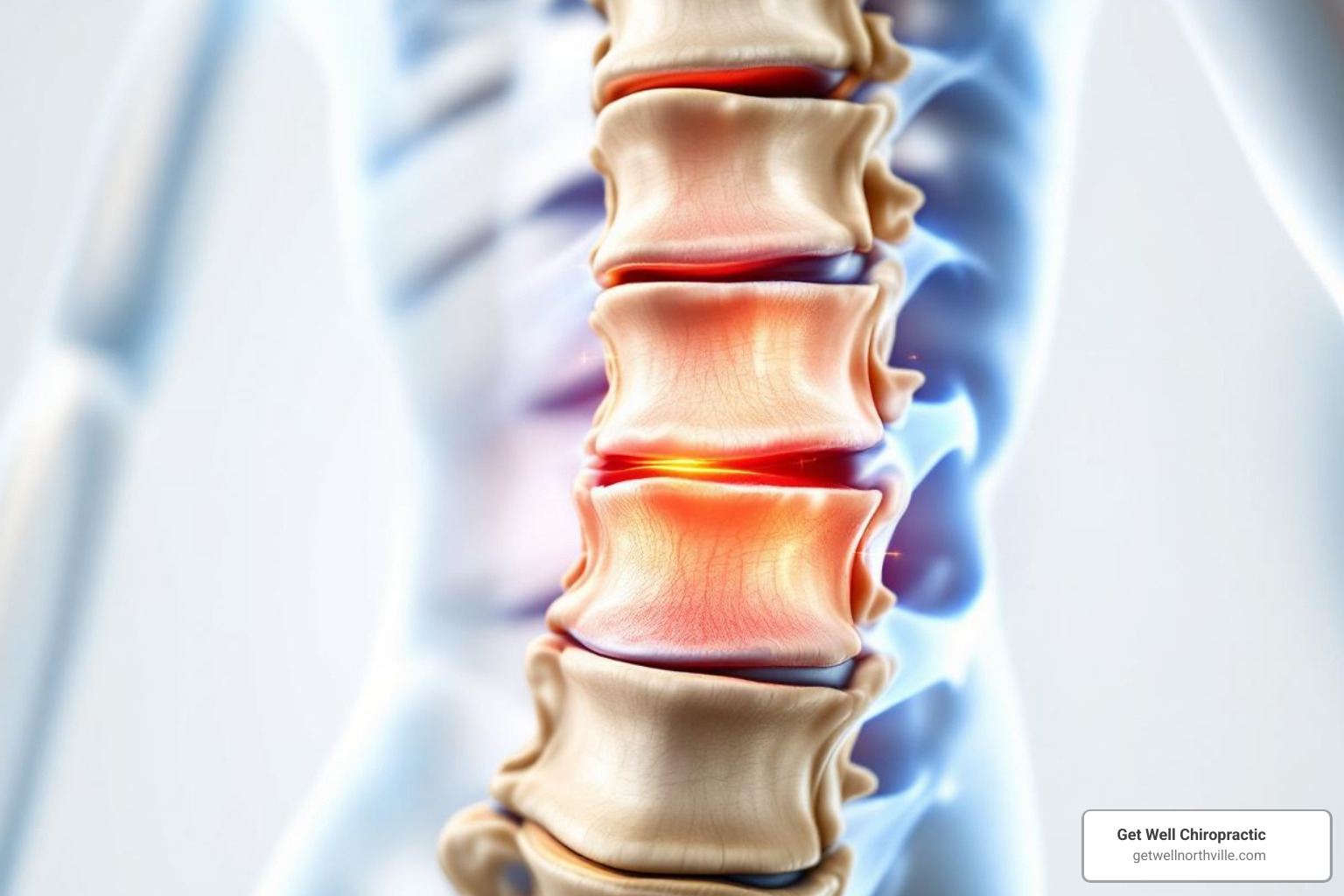
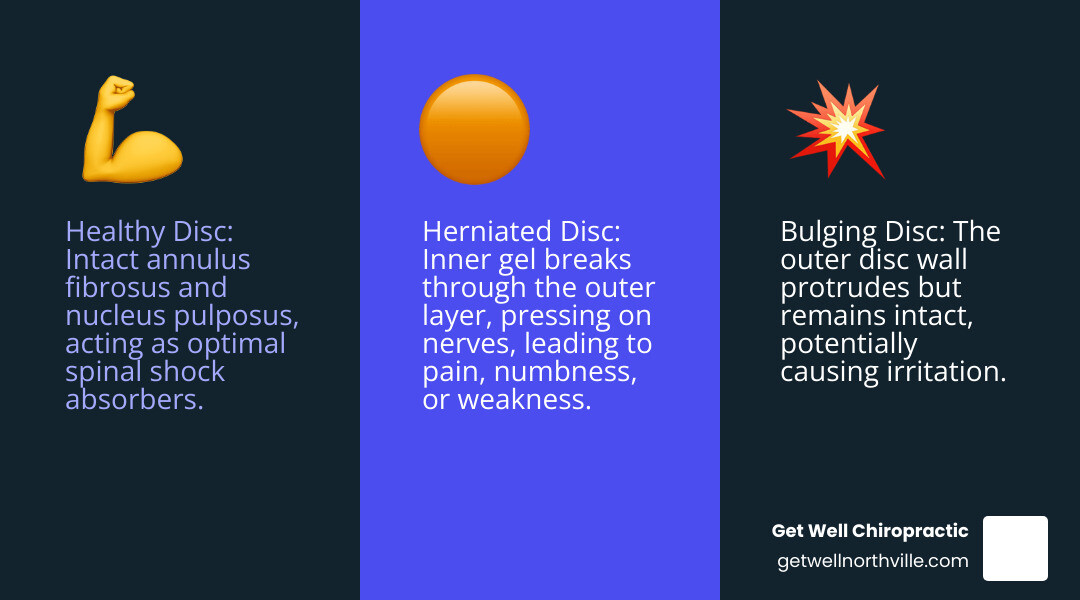
These discs act as shock absorbers for your spine. Each one has a tough outer layer called the annulus fibrosus and a soft, gel-like center called the nucleus pulposus. When a disc bulges or herniates, that inner material can push outward, irritating nearby nerves and causing pain, numbness, or weakness that may radiate down your leg (a condition called sciatica).
The good news? Most back pain gets better within a month using home treatment, especially for people younger than 60. In fact, about 80% of acute sciatica cases can be successfully treated with conservative, non-surgical methods. That means surgery is rarely necessary, and you have many effective options to explore first.
Understanding what’s happening in your spine is the first step toward finding lasting relief. Whether you’re dealing with age-related wear and tear, the aftermath of improper lifting, or pain from a sedentary lifestyle, there are treatments that can help you get back to living an active, pain-free life.
Understanding the Root of Your Discomfort
This section will cover the primary causes, symptoms, and diagnostic methods for identifying spinal disc issues, helping you understand what’s happening in your back.
Primary Causes and Symptoms of Herniated Disc Pain
Spinal disc pain, particularly from a herniated disc, can sneak up on us or strike suddenly. Understanding its origins and signals is key to effective spinal disc pain relief. Our spinal discs are incredibly resilient, but they’re not invincible. A herniated disc occurs when the soft, gel-like center (nucleus pulposus) pushes through a tear in the tougher outer layer (annulus fibrosus), often irritating nearby nerves.
Common causes include:
- Age-Related Wear and Tear: As we age, our discs naturally degenerate. They lose fluidity, become dehydrated, shrink, and lose height, making them more susceptible to injury. About 20% of all U.S. adults have some amount of degeneration by age 65, increasing to about 35% by age 80.
- Improper Lifting: Using your back instead of your legs to lift heavy objects can place immense strain on your spinal discs.
- Sudden Trauma: A fall, car accident, or other direct impact can cause a disc to herniate.
- Obesity: Excess body weight, especially around the midsection, puts additional stress on the spine, pulling it out of alignment and exacerbating disc problems.
- Sedentary Lifestyle: Lack of physical activity can weaken the muscles that support the spine, making discs more vulnerable. Poor posture also contributes to spine strain.
The symptoms of a herniated disc can vary depending on its location and whether it’s pressing on a nerve. They often include:
- Radiating Pain: This is a hallmark symptom, often traveling from the back down into the buttocks, leg, or arm. If it’s in the lower back and radiates down the leg, it’s commonly known as sciatica.
- Numbness or Tingling: You might experience a “pins and needles” sensation or a complete loss of feeling in the area served by the affected nerve.
- Muscle Weakness: The muscles controlled by the irritated nerve might become weak, making it difficult to lift objects or walk.
- Pain that Worsens with Certain Movements: Bending, twisting, coughing, or sneezing can often intensify the pain. Conversely, some positions might offer temporary relief.
For more detailed information on understanding back pain, you can refer to resources like the National Institute of Arthritis and Musculoskeletal and Skin Diseases: Back Pain: Diagnosis, Treatment, and Steps to Take.
How Doctors Diagnose a Herniated Disc
When you visit a healthcare professional for back pain, they will begin with a thorough evaluation to pinpoint the source of your pain and rule out other conditions.
The diagnostic process typically involves:
- Physical Examination: Your doctor will examine your back for tenderness, assess your ability to move, and ask you to rate your pain and how it affects your daily activities.
- Neurological Exam: This is crucial for assessing nerve function. Your doctor will check your reflexes, muscle strength, walking ability, and sensation. This helps identify nerve compression, which can cause muscle spasms when a disc pinches a nerve.
- Imaging Tests:
- X-rays: While X-rays can’t directly show a herniated disc, they can rule out other causes of back pain, such as arthritis, broken bones, or spinal alignment issues.
- MRI (Magnetic Resonance Imaging): This is the preferred test for herniated discs as it provides detailed images of soft tissues like discs and nerves. It can clearly show if a disc is bulging or herniated and pressing on a nerve.
- CT Scan (Computed Tomography): A CT scan provides cross-sectional images of the spine and can be useful for visualizing bone structures and sometimes disc issues.
- Myelogram: In some cases, a dye is injected into the spinal fluid before an X-ray or CT scan. This highlights the spinal cord and nerves, making it easier to see pressure points from herniated discs.
- Nerve Tests:
- Nerve Conduction Studies (NCS) and Electromyography (EMG): These tests measure electrical impulses from nerves and the responses of muscles. They can help confirm nerve damage, pinpoint the exact location of nerve compression, and determine its severity.
These assessments help us determine the most likely cause of your pain and guide us toward the most effective spinal disc pain relief strategies for you. For more information on diagnosis and treatment, the Mayo Clinic offers comprehensive guides: Back pain – Diagnosis and treatment – Mayo Clinic.
Conservative & At-Home Spinal Disc Pain Relief
Most disc-related pain can be managed effectively without surgery. This section explores proven strategies you can implement at home to find relief and support healing.
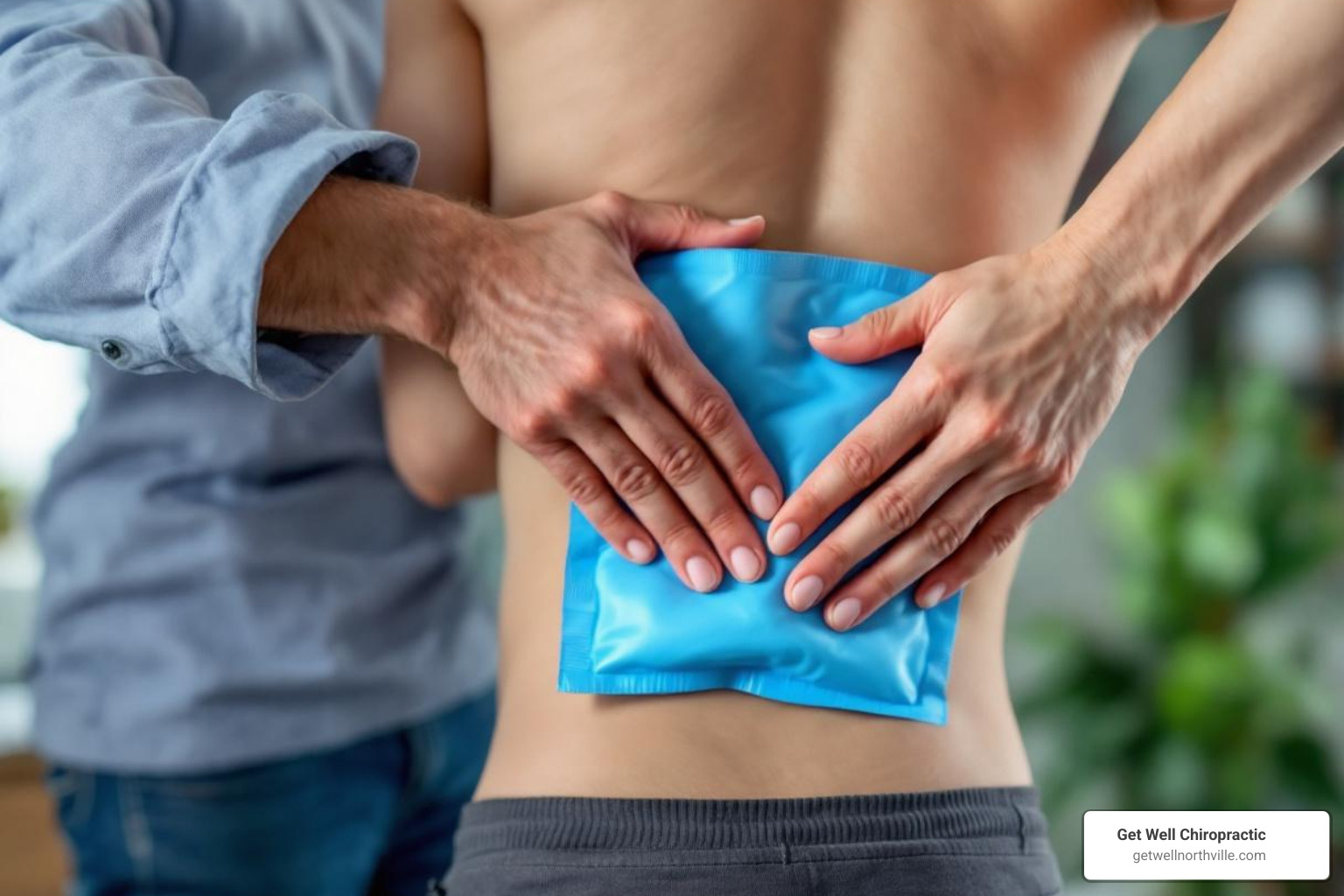
The Power of Heat and Cold Therapy
When a herniated disc flares up, heat and cold therapy are excellent tools for spinal disc pain relief. They work in different ways and are best used for different stages of pain.
- Cold Therapy: Best for acute pain and inflammation, cold reduces blood flow to decrease swelling and has a numbing effect. Apply a cold compress for 15-20 minutes at a time, several times a day, especially after activity, for a significant anti-inflammatory effect.
- Heat Therapy: Heat is wonderful for relaxing tense muscles and increasing blood flow. Increased blood flow brings oxygen and nutrients to the area, promoting healing and soothing discomfort. Applying heat before activities can help relax muscle tension and prepare your back for movement. We suggest using a heating pad, warm bath, or hot compress for 15-20 minutes.
The general rule of thumb: use cold for new injuries, swelling, or after activity, and heat for chronic stiffness, muscle spasms, or before activity. Sometimes, alternating between the two can be beneficial.
The Role of Exercise in Spinal Disc Pain Relief
It might seem counterintuitive to exercise when your back hurts, but appropriate physical activity is one of the most effective ways to achieve long-term spinal disc pain relief. Movement helps improve blood flow, strengthen supporting muscles, and reduce pressure on your discs.
We advocate for low-impact activities that don’t jar the spine. These include:
- Walking: Gentle walking is excellent. It improves blood flow to the discs, helps maintain spinal mobility, and strengthens core muscles without excessive strain. Start with short walks and gradually increase duration as tolerated.
- Swimming or Water Aerobics: The buoyancy of water reduces gravity’s compression on your spine, allowing you to move and strengthen muscles with less pain.
- Core Strengthening Exercises: A strong core (abdominal and back muscles) acts like a natural brace for your spine, providing stability and reducing the burden on your discs. Exercises like gentle planks, bird-dog, and pelvic tilts are often recommended.
- Improving Posture: Consciously maintaining good posture, whether sitting, standing, or lifting, helps align your spine correctly, reducing undue stress on discs.
Here are 3 simple stretches that can help with back pain:
- Knee-to-Chest Stretch: Lie on your back, bring one knee to your chest, holding it with your hands. Hold for 20-30 seconds, then switch legs. This gently stretches the lower back.
- Cat-Cow Stretch: Start on your hands and knees. Arch your back (cow pose) and then round it (cat pose), coordinating with your breath. This mobilizes the spine and relieves tension.
- Piriformis Stretch: Lie on your back, cross one ankle over the opposite knee. Gently pull the bottom knee towards your chest until you feel a stretch in your glute. This helps relieve sciatica pain.
Listen to your body and avoid any movements that increase your pain. If you’re unsure where to start, a physical therapist or chiropractor can guide you.
Simple Changes to Your Daily Habits
Sometimes, the smallest adjustments in our daily routines can lead to significant spinal disc pain relief. We’re talking about optimizing how you sleep, sit, and even how you manage your body weight.
- Proper Sleeping Positions: The way you sleep can either alleviate or exacerbate disc pain.
- If you sleep on your back, place a pillow under your knees to maintain the natural curve of your lumbar spine and reduce pressure.
- If you sleep on your side, place a pillow between your knees. This keeps your hips balanced and your spine straight, preventing twisting in your lower back.
- Avoid sleeping on your stomach, as this can flatten the natural curve of your spine and strain your neck.
- Ergonomics at Work and Home: Ensure your chair provides good lumbar support, your feet are flat on the floor, and your screen is at eye level. Take regular breaks to move, and always lift by bending your knees with a straight back.
- The Importance of Weight Management: Carrying excess weight, particularly around your abdomen, puts additional strain on your lower back and spinal discs. This can pull your spine out of alignment and worsen disc problems. Losing even a small amount of weight can significantly reduce this pressure and contribute to spinal disc pain relief. We believe in a holistic approach to health, recognizing that nutrition plays a vital role in recovery and overall well-being. To support your journey, explore how we integrate nutritional guidance: Discover How Chiropractic and Nutrition Can Boost Lifestyles and How Nutritional Counseling Enhances Chiropractic Treatments.
By making these mindful changes, you empower your body to heal and reduce the daily stresses that contribute to disc pain.
Professional Non-Surgical Therapies for Lasting Relief
When home remedies aren’t enough, professional therapies offer targeted, powerful solutions to address the underlying causes of disc pain without invasive procedures.
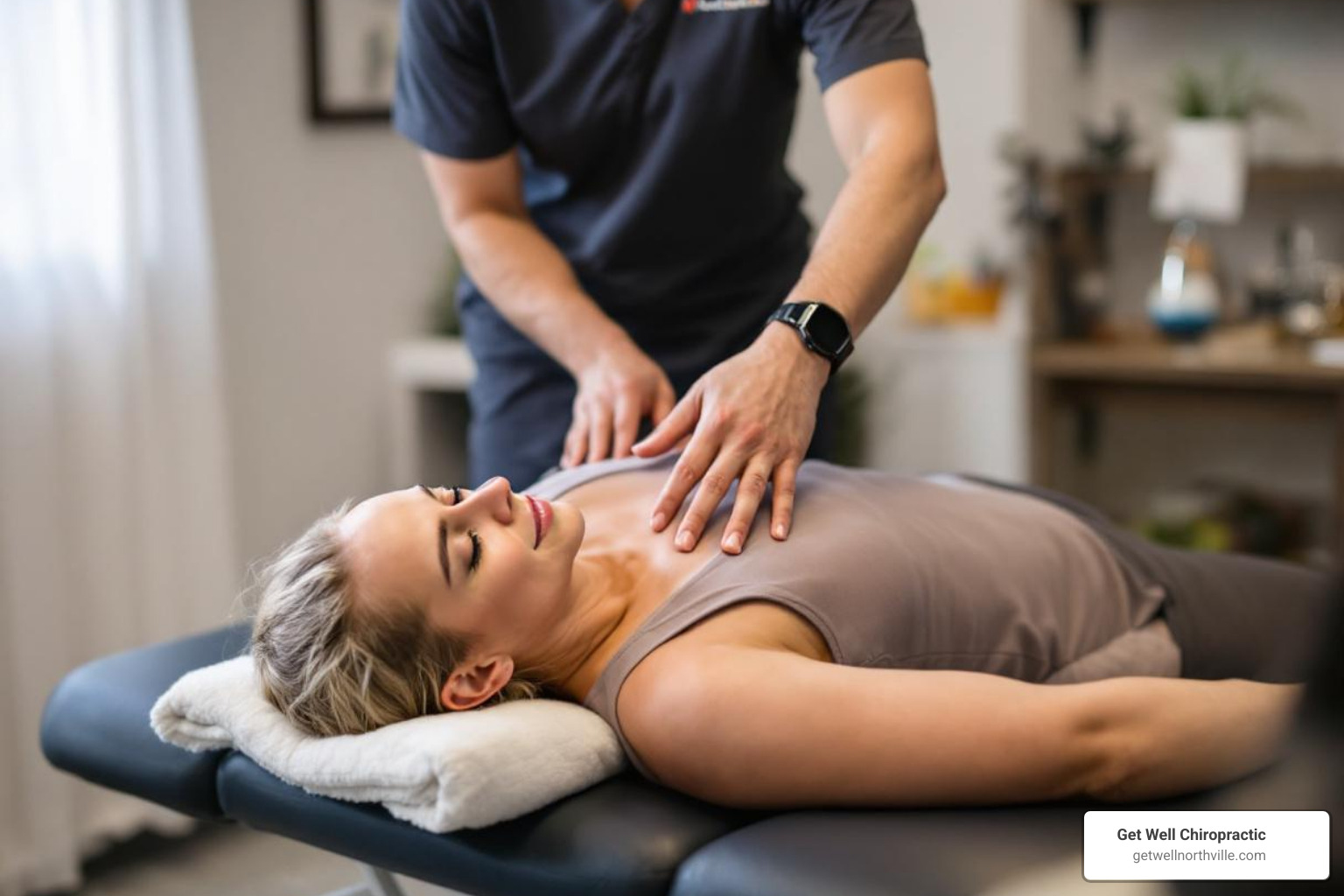
Physical Therapy-Inspired Approaches and the McKenzie Method
At Get Well Chiropractic, we know effective spinal disc pain relief requires a personalized approach. Our physical therapy-inspired programs are custom-designed to increase flexibility, strengthen core muscles, improve posture, and teach you how to move safely. Strengthening back-supporting muscles is crucial for improving mobility and decreasing pain. For more on the benefits, visit Why Choose Chiropractic Care for Pain Relief.
One particularly effective approach we use is the McKenzie Method, also known as Mechanical Diagnosis and Therapy (MDT). This method is especially helpful for sciatica related to herniated discs. Its core principles include:
- Pain Centralization: The McKenzie Method aims to shift radiating pain (like sciatica) from your leg or arm back towards your spine, where it becomes more centralized and often more tolerable. This is achieved through specific, repetitive extension exercises.
- Extension Exercises: These movements are designed to gently push the disc material away from the nerve, reducing irritation.
- Lumbar Stabilization: Once pain is centralized, the method incorporates exercises to strengthen the muscles supporting your lumbar spine, helping to prevent future recurrences.
The McKenzie Method empowers you to manage your pain independently and provides a clear pathway for recovery by identifying specific movements that can alleviate your symptoms.
Hands-On Healing: Massage and Myofascial Release
Muscle tension often accompanies disc pain. When a disc is injured, our bodies naturally guard the area, leading to muscle spasms and tightness that can create secondary pain. This is where hands-on therapies like massage and myofascial release become invaluable for spinal disc pain relief.
- Myofascial Release: This technique focuses on the fascia, the connective tissue surrounding muscles. When fascia becomes tight, it can cause pain and limit movement. Myofascial release applies gentle, sustained pressure to trigger points to release tension, improve flexibility, and alleviate secondary muscle pain from altered posture.
- Massage: Beyond general relaxation, targeted massage therapy can specifically address muscle tension associated with herniated discs. It helps improve circulation, reduce inflammation, and break up muscle knots, providing both immediate relief and supporting the healing process.
At Get Well Chiropractic, our skilled therapists use a variety of techniques to improve your recovery. To learn more about how these hands-on approaches can help you, explore: Discover Effective Massage Techniques for Pain Relief Today and How Deep Tissue Massage Benefits Enhance Pain Recovery.
Advanced Therapies Offered at Get Well Chiropractic
Beyond traditional chiropractic adjustments and massage, we offer several advanced non-surgical therapies designed to provide comprehensive spinal disc pain relief and promote healing right here in Northville, MI.
- Spinal Decompression Therapy: This innovative treatment gently stretches the spine, creating negative pressure within the disc. This negative pressure helps to retract bulging or herniated disc material, taking pressure off compressed nerves. It also promotes the flow of oxygen, nutrients, and fluids into the disc, which is essential for healing. Many of our patients find significant relief and improved function with this therapy. You can learn more about it here: Spinal Decompression Therapy.
- Cold Laser Therapy: Also known as low-level laser therapy, this non-invasive treatment uses specific wavelengths of light to stimulate cellular function. It helps reduce inflammation, decrease pain, and accelerate tissue repair at the cellular level. It’s a fantastic option for targeting localized inflammation around an injured disc. Find more about this technology: Cold Laser.
- Pulsed Electromagnetic Field (PEMF) Therapy: PEMF therapy uses electromagnetic fields to stimulate and encourage cellular repair. This can help reduce pain and inflammation, improve circulation, and improve the body’s natural healing processes, making it a valuable tool for disc recovery. Find out more about its benefits: Pulsed Electromagnetic Field Therapy.
- Hydrotherapy: While not offered directly in our clinic, we recognize the benefits of hydrotherapy, such as Epsom salt baths. The buoyancy of water eases stress on joints and relaxes tight muscles, while the magnesium in Epsom salts can help reduce inflammation and calm the body. It’s a wonderful complementary home remedy.
- Acupuncture: This ancient practice involves inserting thin needles into specific points on the body. It’s believed to stimulate healing by increasing blood flow and prompting the body to release endorphins, which are natural pain relievers. Research suggests acupuncture can provide relief for herniated disc pain, especially for chronic low back pain. Acupuncture needles may be left in place for 20 to 40 minutes, and several sessions are often recommended for optimal results.
These advanced therapies, combined with our personalized care, offer a powerful arsenal for tackling even stubborn disc pain and helping you on your journey to recovery.
Medical Interventions for Managing Disc Pain
For more persistent or severe pain, medical treatments can offer significant relief by directly targeting inflammation and pain signals.
Medications for Spinal Disc Pain Relief
Medications play an important role in managing the pain and inflammation associated with a herniated disc, often providing immediate relief that allows you to participate in other therapies.
- Over-the-Counter (OTC) Options:
- NSAIDs (Nonsteroidal Anti-inflammatory Drugs): Medications like ibuprofen (Advil, Motrin IB) and naproxen sodium (Aleve) are commonly used to reduce pain and inflammation. They are often the first line of defense for mild to moderate pain.
- Topical Pain Relievers: Creams, gels, or patches with ingredients like NSAIDs, menthol, or lidocaine can be applied directly to the painful area. They provide targeted spinal disc pain relief by reducing inflammation or creating a distracting sensation.
- Prescription Medications:
- Muscle Relaxants: If muscle spasms are a significant component of your pain (often caused by pinched nerves), your doctor might prescribe a muscle relaxant for a short period. These medications help ease the spasms, though they can cause drowsiness.
- Corticosteroids: These potent anti-inflammatories can be taken orally for a short course (typically 7 to 10 days) to reduce severe inflammation around the nerve. They are more powerful than NSAIDs and are used for more intense flare-ups.
- Neuropathic Drugs: Medications originally developed for other conditions, like gabapentin or duloxetine, can be effective in managing nerve-related pain (neuropathic pain) that often accompanies a herniated disc.
- Opioids: For severe acute pain, a doctor might prescribe prescription pain relievers (opioids) for a very short duration (at most a week) and under close supervision. These are generally reserved for when other medications haven’t provided sufficient relief.
It’s important to discuss all medications, including OTC options, with your healthcare provider to ensure they are appropriate for your specific condition and to avoid potential interactions or side effects. For more information on non-surgical management of back pain, the WHO provides comprehensive guidelines: WHO guideline for non-surgical management of chronic primary low back pain in adults.
When Injections or Surgery May Be Considered
Note: Get Well Chiropractic does not offer injections or surgical procedures, but can help guide you in understanding your options and making informed decisions. If conservative and non-surgical therapies are not effective, your healthcare provider may discuss referral for further medical evaluation.
While we focus on non-surgical, natural healing, we believe in empowering our patients with complete information. For some individuals, especially when conservative treatments haven’t provided sufficient spinal disc pain relief, medical interventions like injections or surgery may be considered.
-
Corticosteroid Injections:
- What they are: These involve injecting corticosteroids (strong anti-inflammatory medications) directly into the epidural space around the spinal cord and nerve roots. A numbing medicine is often included.
- How they help: The goal is to reduce inflammation around the irritated nerve, which can significantly decrease pain.
- Usage: They are typically considered when oral medications and physical therapy haven’t provided enough relief, especially for pain radiating down a limb. They can be particularly effective when administered just before starting physical therapy, as the pain relief allows for more effective participation in exercises.
- Duration of relief: Pain relief from these injections can last from a week to a year or longer, but often it’s only for a month or two. The procedure usually takes less than 30 minutes.
-
When Surgery Might Be Considered:
- The good news is that most people do not need surgery for a herniated disc. Few people with herniated disks require surgery.
- Surgery is a last resort, considered if conservative treatments fail after six weeks, or if you have progressive muscle weakness, numbness, or loss of bowel or bladder control (a rare but serious condition called cauda equina syndrome).
- Surgery is typically not a good option for treating solely back pain from osteoarthritis in the spine.
-
Types of Surgical Procedures for Herniated Discs:
- Diskectomy (or Microdiskectomy): This is the most common surgical procedure for a herniated disc. It involves removing the protruding part of the herniated disc that is pressing on the nerve. A microdiskectomy uses smaller incisions and a microscope or endoscope.
- Laminectomy: This procedure involves removing a portion of the vertebral bone called the lamina to enlarge the spinal canal. It’s often performed for spinal stenosis, which is a narrowing of the spinal canal, to relieve pressure on the spinal cord or nerves.
- Spinal Fusion: If spinal instability is present, this procedure permanently connects two or more vertebrae using bone grafts and hardware to stabilize the spine.
- Artificial Disc Replacement: In some cases, a damaged disc can be replaced with an artificial disc. This aims to maintain spinal motion, unlike fusion.
While surgery can provide relief for specific conditions, it comes with its own set of risks and recovery considerations. We will always guide you towards the most appropriate care, whether it’s within our clinic or through referral to other specialists.
Frequently Asked Questions about Spinal Disc Pain
How long does it take for a herniated disc to heal?
The healing time for a herniated disc can vary significantly from person to person. Generally, most people experience significant improvement in their symptoms within a few weeks to a few months with consistent conservative treatment. About 80% of acute radiculopathy, also known as sciatica, can be successfully treated with non-surgical methods. While the pain might subside sooner, the disc itself can take longer to fully heal. Patience and adherence to your treatment plan are key.
Can a herniated disc heal on its own?
Yes, in many cases, a herniated disc can heal on its own! The body has an amazing capacity for self-repair. Over time, the body’s immune system can reabsorb the herniated disc material, reducing the pressure on the nerve. Proper care, including rest, anti-inflammatory measures, and gentle exercise, can significantly speed up this natural recovery process. Reducing inflammation is a key factor in allowing the body to heal itself.
Is walking good for a herniated disc?
Absolutely, gentle walking is often very beneficial for a herniated disc. While prolonged bed rest is generally not recommended as it can lead to stiffness and weakness, light activity like walking helps improve blood flow to the injured disc, which brings essential nutrients for healing. It also prevents stiffness and keeps your muscles engaged. Start with short, comfortable walks and gradually increase the distance and duration as your pain allows. Always listen to your body and stop if you feel any sharp or increasing pain. The goal is to stay active without overexertion.
Take Control of Your Spinal Health Today
Spinal disc pain relief can be debilitating, but a wide range of effective treatments are available. From at-home care and lifestyle adjustments to professional therapies like Chiropractic Care and massage, you have the power to find relief. At Get Well Chiropractic in Northville, MI, we focus on compassionate, personalized plans to help you heal naturally. Our comfortable, honest, and compassionate service is centered on natural healing and long-term wellness. If you’re ready to explore non-surgical solutions custom to your needs, it’s time to take the next step.
Learn more about advanced, non-surgical Spinal Decompression Therapy
Learn more about advanced, non-surgical Spinal Decompression Therapy