Why Body Massage for Pain Relief Matters
Body massage for pain relief is a powerful, natural way to manage the discomfort millions face daily. From chronic back pain to everyday stress, massage offers immediate and long-term benefits without relying solely on medication.
Quick Answer: How Body Massage Relieves Pain
- Reduces muscle tension – Pressure on tight muscles releases painful spasms and contractions
- Improves blood flow – Increased circulation brings oxygen and nutrients to injured tissues
- Releases natural painkillers – Massage triggers endorphins, serotonin, and dopamine
- Lowers inflammation – Improved circulation helps reduce swelling around affected areas
- Calms the nervous system – Activates relaxation response, reducing stress hormones like cortisol
- Improves sleep quality – Better rest supports natural healing and pain management
Pain disrupts work, exercise, and family time. With 70% to 80% of adults experiencing low-back pain at some point in their lives, it’s one of today’s most common musculoskeletal problems.
The good news is you don’t have to just live with pain. At Get Well Chiropractic, we focus on the root cause, not just the symptoms. Massage therapy is a key tool for promoting both mental and physical health.
Unlike temporary fixes, massage works with your body’s natural healing processes. It’s a safe, holistic approach that complements treatments like chiropractic care.
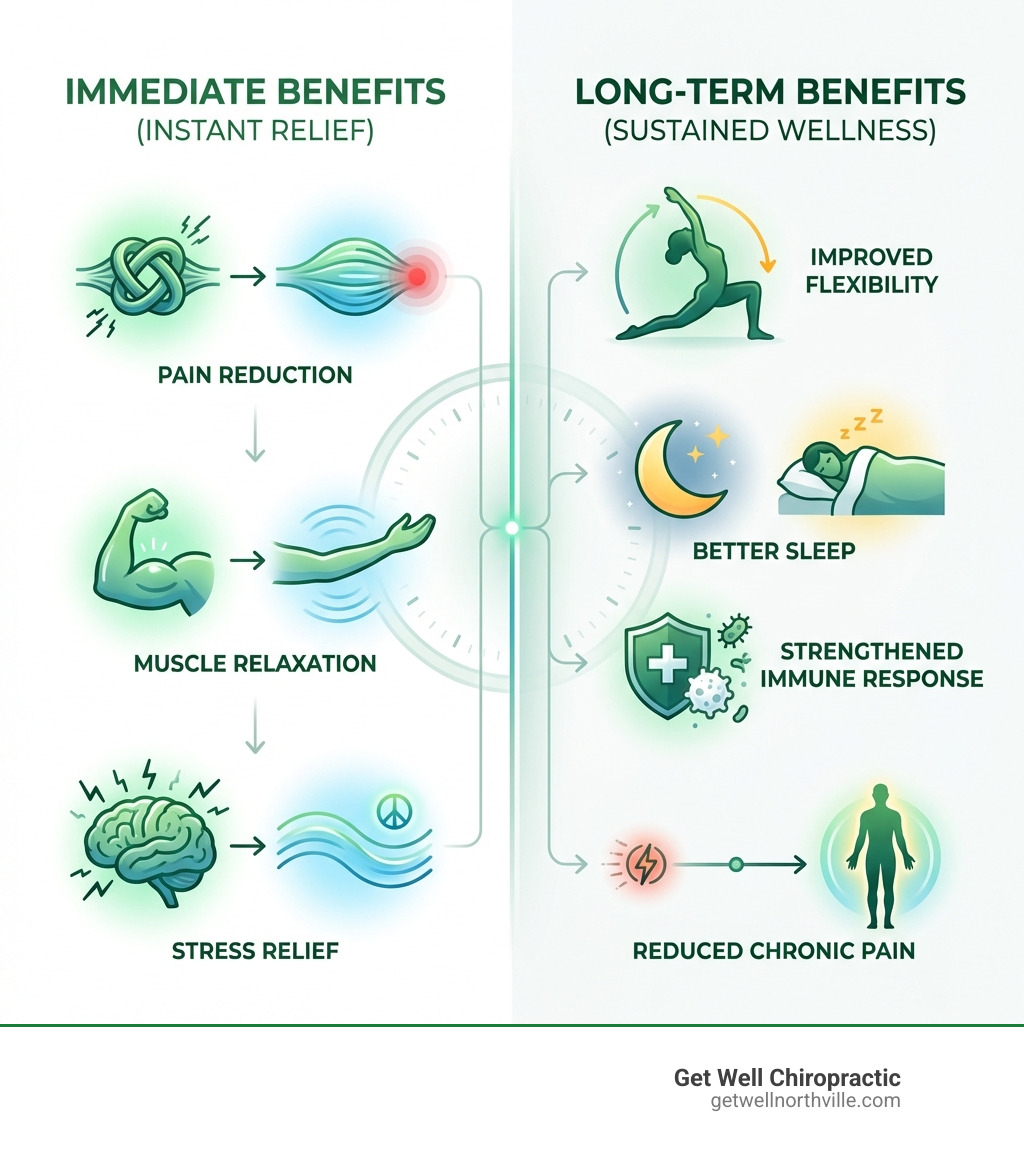
The Science of Relief: How Body Massage for Pain Relief Works
What happens when skilled hands work on tense muscles? It’s a symphony of physiological responses that bring relief. At Get Well Chiropractic in Northville, MI, we leverage these scientific principles to help you feel your best.
Body massage for pain relief works partly through the “pain gate theory.” This theory suggests that the non-painful input from massage closes the neurological “gates” to pain signals, preventing them from reaching the brain. But that’s just the beginning.
When our expert massage therapists apply pressure, several key processes kick in:
- Muscle Tension Reduction: Applying pressure to tense muscles reduces painful spasms. This lengthens and relaxes muscle fibers, improving flexibility and range of motion.
- Improved Circulation: Massage stimulates blood flow to injured areas, bringing oxygen and nutrients for healing. It also helps flush out metabolic waste that contributes to pain.
- Endorphin Release: Massage increases the release of endorphins, the body’s natural painkillers. These neurochemicals interact with brain receptors to reduce your perception of pain.
- Serotonin & Dopamine Boost: Massage also stimulates mood-boosting hormones like serotonin and dopamine. These neurotransmitters improve mood and can increase your pain tolerance, helping you cope with discomfort.
- Stress Reduction & Cortisol Level Reduction: The rhythmic pressure of massage calms the nervous system, triggering the body’s relaxation response. This lowers heart rate, blood pressure, and the stress hormone cortisol, which can worsen pain and inflammation.
- Inflammation Reduction: By improving blood flow and releasing muscle tension, massage helps reduce swelling. It aids in removing toxins and excess fluids from inflamed tissues.
- Improved Sleep Quality: Pain and lack of sleep are linked. Massage triggers the relaxation response, improving sleep quality and duration by promoting melatonin production. Better rest is foundational for repair and pain management.
For more in-depth information on how massage therapy scientifically impacts your health, we recommend reviewing resources like Massage Therapy for Health: What the Science Says.
The Physical Benefits of Massage
Beyond immediate relief, regular body massage for pain relief contributes to profound physical changes that support long-term wellness.
Here are some of the key physical benefits:
- Decreased Muscle Stiffness: Massage directly relaxes and lengthens tight muscles, making everyday movements easier and more comfortable.
- Reduced Joint Inflammation: Improved circulation from massage helps reduce inflammation around joints, which is especially beneficial for conditions like arthritis.
- Improved Blood Flow: Better circulation delivers more oxygen and nutrients to every cell, supporting tissue repair and overall cellular health.
- Quicker Workout Recovery: For active clients, massage is a game-changer. It promotes blood flow and reduces muscle soreness, helping you recover faster between workouts. Learn more about How deep tissue massage enhances muscle recovery.
- Improved Flexibility: With less tension and better circulation, muscle elasticity increases. This leads to greater flexibility and range of motion, helping prevent future injuries.
- Strengthened Immune Response: Regular massage can boost your immune system. By reducing stress hormones and improving circulation, it helps your body function optimally.
The Mental and Emotional Benefits
The mental and emotional uplift from body massage for pain relief is equally profound. At Get Well Chiropractic, we know true wellness is holistic.
- Lower Stress Levels: Stress often manifests as physical pain. Massage triggers the body’s parasympathetic nervous system (the “rest and digest” mode), significantly lowering stress levels.
- Improved Mood: The release of endorphins, serotonin, and dopamine acts as a natural mood booster, leaving clients feeling happier and more optimistic.
- Decreased Anxiety: The calming effect on the nervous system directly reduces feelings of anxiety, providing a peaceful escape from daily worries.
- Increased Energy: Many people report a sustained, balanced energy in the days following a massage, which comes from a well-rested and less-stressed body.
- Improved Relaxation Response: Regular massage trains your body to relax more easily, helping you manage stress and physical tension in daily life.
- Mind-Body Connection: Massage strengthens the mind-body connection, helping you recognize and address tension before it becomes chronic pain. Learn how to Embrace deep tissue massage benefits for holistic health.
Finding Your Perfect Match: Effective Massage Types for Pain
Just as there are many kinds of pain, there are many types of massage. “Massage” is an umbrella term for various techniques, and the key to effective body massage for pain relief is finding the right one for your needs.
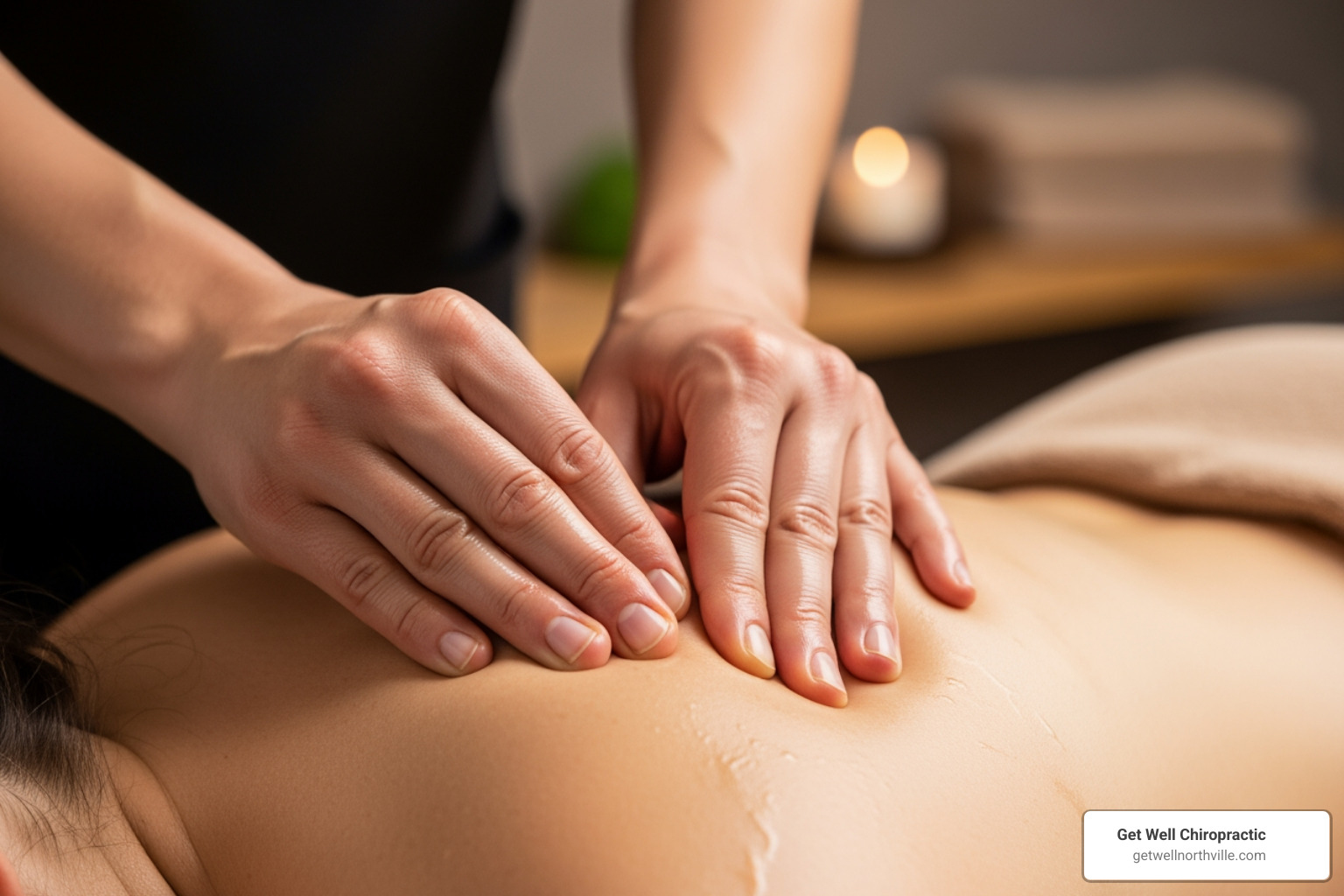
At Get Well Chiropractic, our skilled therapists are adept at various modalities. A trained professional understands anatomy and how to apply techniques safely. Communicating your pain levels and goals is crucial for a custom session. They can help you find Expert recommended massage techniques for pain relief.
Choosing the Right Body Massage for Pain Relief
Choosing the right massage is about targeting your specific discomfort. Here are some of the most effective types we offer:
- Swedish Massage: Excellent for general pain relief and relaxation, this common massage uses long, flowing strokes, kneading, and tapping. It improves blood flow, reduces muscle tension, and alleviates soreness. It’s a great starting point for newcomers or those with mild to moderate pain.
- Deep Tissue Massage: This massage addresses severe tension by using slower, more forceful strokes to target deep layers of muscle and fascia. It’s beneficial for chronic pain and tension in areas like the lower back and shoulders. While intense, it provides immense relief from knots. Find out What are the unique benefits of deep tissue massage?.
- Trigger Point Therapy: Trigger points are sensitive knots in muscle fibers that can cause referred pain elsewhere. This therapy applies sustained pressure to these points to release constricted fibers and alleviate the pain. It’s highly effective for localized pain and tension headaches.
- Myofascial Release: This technique focuses on the fascia—the connective tissue surrounding muscles, blood vessels, and nerves. When fascia becomes tight, it can cause pain and limit movement. Myofascial release stretches and releases these restrictions to restore flexibility.
To help you decide, here’s a quick comparison:
| Massage Type | Pain Type Addressed | Pressure Level | Primary Goal |
|---|---|---|---|
| Swedish Massage | General soreness, stiffness, mild muscle tension | Light to Medium | Relaxation, improved circulation, general pain relief |
| Deep Tissue Massage | Chronic pain, severe muscle tension, knots, postural issues | Medium to Deep | Release deep muscle layers, chronic pain management |
| Trigger Point Therapy | Localized pain, referred pain, tension headaches, sciatica | Focused Deep | Deactivate trigger points, alleviate referred pain |
| Myofascial Release | Fascial restrictions, stiffness, limited range of motion | Gentle to Medium | Release connective tissue, restore flexibility |
Massage for Chronic Pain Conditions
Body massage for pain relief offers a powerful tool against chronic conditions. We’ve seen it significantly improve quality of life for those with persistent pain.
- Arthritis: For arthritis, gentle massage can reduce pain and stiffness by improving blood flow and reducing muscle tension around joints. Moderate pressure is key to alleviating pain. Always consult your doctor first to ensure massage is safe for your condition.
- Fibromyalgia: Massage therapy, including trigger point and deep tissue techniques, can be helpful for fibromyalgia symptoms. Studies show it may reduce pain, stiffness, and fatigue while improving sleep.
- Sciatica: Massage can ease the radiating pain of sciatica by loosening muscles and reducing pressure on the sciatic nerve. Techniques like myofascial release are effective for related conditions like piriformis syndrome. It also promotes healing by increasing blood flow to the spine, hips, and legs.
- Low-Back Pain: Low-back pain responds well to massage. It can reduce pain and improve function in the short term by relaxing muscles, improving circulation, and releasing endorphins. It’s a valuable part of a comprehensive pain plan. For more insights, explore resources like Massage for low‐back pain – Furlan, AD – 2015 | Cochrane Library.
- Neck & Shoulder Pain: Commonly caused by poor posture or stress, neck and shoulder pain can be relieved by massage. It provides short-term benefits by releasing tension, improving circulation, and reducing inflammation.
- Carpal Tunnel Syndrome: Massage therapy and self-massage may lessen carpal tunnel syndrome symptoms, improving pain and grip strength. You might find relief with techniques from resources like Unknotting carpal tunnel: Massage moves that make a difference.
Integrating Massage into Your Pain Management Plan
At Get Well Chiropractic, we see body massage for pain relief as an essential part of a holistic health plan. It works with other treatments to maximize your recovery and well-being.

We take a holistic approach, recognizing your body is an interconnected system where physical and mental states influence each other. Massage fits this philosophy by addressing the whole person. Our clinic offers Unique massage therapy approaches for pain management custom to your needs.
- Complementary Therapy: Massage improves the effectiveness of other treatments like chiropractic care or physical therapy. By relaxing muscles, it prepares your body to respond better to other interventions.
- Post-Surgical Recovery: Under medical guidance, gentle massage can be an effective tool for post-surgical recovery. It helps reduce pain and swelling, improve blood flow, and speed healing. Always get your healthcare provider’s approval first.
- Enhancing Chiropractic Care: Massage and chiropractic care are a perfect pair. Chiropractic focuses on spinal alignment, while massage addresses the surrounding soft tissues. Relaxing these tissues makes chiropractic adjustments more effective and longer-lasting.
- Reducing Reliance on Medication: By providing natural pain relief and promoting relaxation, massage can help reduce the need for pain medication, always under your healthcare provider’s supervision.
What to Expect During Your Session
We aim to make your body massage for pain relief session at Get Well Chiropractic comfortable, transparent, and effective.
- Initial Consultation: Every session begins with a consultation. Our therapists will discuss your health history, pain points, and goals to tailor the treatment.
- Setting Goals: Together, we’ll set clear goals for the session, whether it’s reducing specific pain or promoting overall relaxation.
- During the Massage: Our therapists use various techniques to target tension and promote relaxation. Sessions can be focused or full-body, and we always ensure your comfort with proper draping in a serene environment.
- Communication is Key: Open communication is vital. If pressure is ever uncomfortable, please speak up. Our therapists will adjust their technique to ensure the best experience. It’s your session.
- Post-Massage Feeling: It’s common to feel relaxed, tired, or a little sore after a massage, much like after a workout. This is a sign that muscles are releasing tension. You should feel refreshed and more relaxed.
- Soreness vs. Pain: Post-massage soreness is a dull ache that subsides in a day or two. Sharp or persistent pain is not normal; please communicate this to your therapist.
How Often Should You Get a Massage?
The frequency of body massage for pain relief depends on your individual needs and goals.
- Chronic Conditions Frequency: For chronic pain, more frequent sessions (e.g., weekly or bi-weekly) are often beneficial initially to establish relief.
- Acute Pain Frequency: For acute pain from a recent injury, a few sessions close together can address immediate discomfort and promote healing.
- General Wellness Frequency: For general wellness and maintenance, a monthly massage is often sufficient to keep tension at bay and support ongoing health.
- Personalized Treatment Plan: Our therapists will develop a personalized treatment plan based on your condition and goals, adjusting it as your body responds.
- Listening to Your Body: Most importantly, listen to your body. Pay attention to how you feel between sessions and communicate this with your therapist.
Maximizing the Benefits of Body Massage for Pain Relief at Home
What you do between sessions can prolong the benefits of your professional massage.
- Self-Massage Techniques: Use self-massage for immediate relief. Use your hands or simple tools like a tennis ball or foam roller to target painful areas. Learn more about how to Ease your aches: Simple ways to relax back muscles.
- Gentle Stretching: Incorporate daily gentle stretching to maintain flexibility and prevent stiffness, focusing on tight areas like the neck, shoulders, and lower back.
- Heat and Cold Therapy: Apply heat (heating pad) to relax tense muscles and increase blood flow. Use cold (ice pack) to reduce swelling and numb acute pain.
- Mindfulness & Relaxation: Practice mindfulness techniques like deep breathing or meditation to reduce stress, which can help alleviate pain.
- Maintaining Proper Posture: Be mindful of your posture when sitting, standing, and sleeping. Simple adjustments can prevent chronic pain in the back, neck, and shoulders.
Frequently Asked Questions about Massage for Pain
We often hear many questions from our clients about body massage for pain relief. Let’s address some of the most common ones.
Does a massage for pain have to hurt to be effective?
This is a common misconception. The idea that “no pain, no gain” applies to massage is simply not true.
- Discomfort vs. Pain: Some techniques like deep tissue may involve a “good pain” or therapeutic discomfort, but it should never be sharp or excruciating.
- Importance of Communication: Communication is key. If you feel pain, speak up. Our therapists will adjust the pressure to keep you comfortable while ensuring therapeutic benefits.
- Therapist Pressure Adjustment: A skilled therapist modifies techniques based on feedback. Forcing muscles only causes them to tense up more.
- No Pain No Gain Myth: The “no pain, no gain” myth is false. Effective massage works with your body to promote relaxation and healing, not against it.
Is massage therapy safe for everyone?
Massage therapy is generally safe, but there are some situations where precautions are necessary.
- General Safety: For most healthy individuals, massage is very safe.
- Consulting a Doctor: We recommend consulting your doctor before starting massage, especially if you have an underlying health condition, are pregnant, or are recovering from surgery.
- Precautions for Specific Conditions: Certain conditions, like blood clots or some skin conditions, require modifications or may contraindicate massage in specific areas.
- Pregnancy: Prenatal massage is beneficial but requires a specially trained therapist to ensure safety.
- Finding a Licensed Therapist: Always choose a licensed and certified massage therapist to ensure they follow professional safety standards.
How does massage complement chiropractic care?
At Get Well Chiropractic, we frequently combine body massage for pain relief with chiropractic care because they are incredibly complementary.
- Musculoskeletal System: Chiropractic care focuses on the alignment of the spine and joints, while massage therapy addresses the surrounding soft tissues (muscles, ligaments, tendons).
- Chiropractic Adjustments: Tight muscles can pull joints out of alignment. Massage helps relax these muscles before an adjustment.
- Muscle Relaxation: Relaxing muscles through massage makes chiropractic adjustments easier and more effective, as the body can receive and hold adjustments better.
- Joint Mobility: Relaxed muscles improve joint mobility, which complements the chiropractic goal of restoring proper joint movement.
- Synergistic Benefits: The combined effect is powerful. Massage prepares the body for an adjustment, and chiropractic care helps the body function better, reducing muscle strain. This synergistic approach leads to more effective, lasting relief. For a deeper dive into how these therapies compare and complement each other, explore Deep tissue massage vs. chiropractic care: Reviews explained.
Take the First Step Towards a Pain-Free Life
We’ve explored how body massage for pain relief is much more than a luxury; it’s a powerful, science-backed approach to managing discomfort, reducing stress, and enhancing your overall well-being. From easing muscle tension and boosting mood to complementing other treatments like chiropractic care, massage plays a crucial role in promoting natural healing and long-term wellness.
At Get Well Chiropractic in Northville, MI, we are dedicated to providing comfortable, honest, and compassionate service. We focus on natural healing and empowering you to take control of your health, moving you from just surviving pain to truly thriving.
If you’re ready to unknot your worries and find the profound benefits of massage therapy, we invite you to experience our expert, personalized care.
Book your therapeutic massage session today and take the first step towards a healthier, more comfortable life.

