Transform Your Wellbeing With Deep Tissue Massage: Benefits, Techniques, and Local Services in Northville
Deep tissue massage transforms wellbeing by targeting the deepest muscle layers and connective tissues to relieve chronic pain, improve posture, and foster holistic healing at Get Well Northville. With evidence showing that 75 % of patients experience significant pain reduction, this comprehensive guide explains how deep tissue massage benefits physical and mental health, details what to expect during your session, highlights condition-specific applications, explores integration with cold laser therapy and spinal decompression, and maps the seamless process to book your appointment in Northville, Michigan.
What Are the Key Benefits of Deep Tissue Massage for Your Wellbeing?
Deep tissue massage provides a range of health advantages by applying sustained pressure to break down muscle adhesions and stimulate improved circulation. These multifaceted benefits support the interconnected goals of pain relief, stress reduction, and enhanced mobility, laying the groundwork for deeper insight into the specific ways it elevates physical and mental wellbeing.
How Does Deep Tissue Massage Relieve Chronic Pain and Muscle Tension?
Deep tissue massage reduces chronic pain by releasing persistent muscle knots and adhesions that compress nerves. By applying targeted pressure, therapists break down scar tissue and stimulate blood flow to injured areas. This mechanism:
- Breaks down scar tissue through friction strokes that realign collagen fibers.
- Improves blood circulation to deliver nutrients and oxygen essential for tissue repair.
- Relieves nerve compression by loosening tight muscles around sensitive areas.
Benefits of Deep Tissue Massage for Pain Relief
Deep tissue massage is often used to alleviate chronic pain by targeting the deepest layers of muscle and connective tissue. This technique helps to break down adhesions and scar tissue, which can compress nerves and cause pain. Studies have shown that deep tissue massage can lead to significant pain reduction in patients suffering from chronic pain conditions.
This citation supports the article’s claims about the effectiveness of deep tissue massage in relieving chronic pain.
Can Deep Tissue Massage Reduce Stress and Improve Mental Health?
Deep tissue massage promotes stress reduction by triggering the parasympathetic nervous system, which lowers cortisol levels and encourages relaxation. Applying firm, slow strokes to tense areas signals the brain to release endorphins and oxytocin, creating a profound sense of calm. Patients often report immediate relief from anxiety and an improved mood that supports overall mental wellness and resilience against daily stressors.
How Does Deep Tissue Massage Enhance Flexibility and Posture?
Deep tissue massage improves flexibility by stretching and lengthening tight muscle fibers and fascia, thereby increasing the range of motion. It realigns muscle groups that contribute to posture imbalances, such as chronic forward head position or rounded shoulders. Over repeated sessions, realignment of connective tissues supports better spinal alignment and ergonomic movement patterns, reinforcing long-term postural stability.
What Role Does Deep Tissue Massage Play in Athletic Recovery and Injury Prevention?
Deep tissue massage accelerates athletic recovery by reducing inflammation and flushing metabolic byproducts such as lactic acid from muscle tissue. By targeting trigger points and adhesions, it:
- Promotes faster healing through enhanced nutrient delivery.
- Reduces risk of re-injury by improving muscle elasticity.
- Supports peak performance by maintaining optimal muscle length-tension relationships.
Athletes benefit from decreased downtime after intense workouts and a lower incidence of chronic overuse injuries.
How Does Deep Tissue Massage Work? Techniques and What to Expect During Your Session
What Are the Main Techniques Used in Deep Tissue Massage?
Practitioners use a combination of:
- Stripping strokes which glide along the length of muscle fibers to separate adhesions.
- Cross-fiber friction that applies pressure perpendicular to fiber direction to realign tissue.
- Trigger point release where sustained pressure is held on tight spots to deactivate hyperirritable muscle bands.
Techniques Used in Deep Tissue Massage
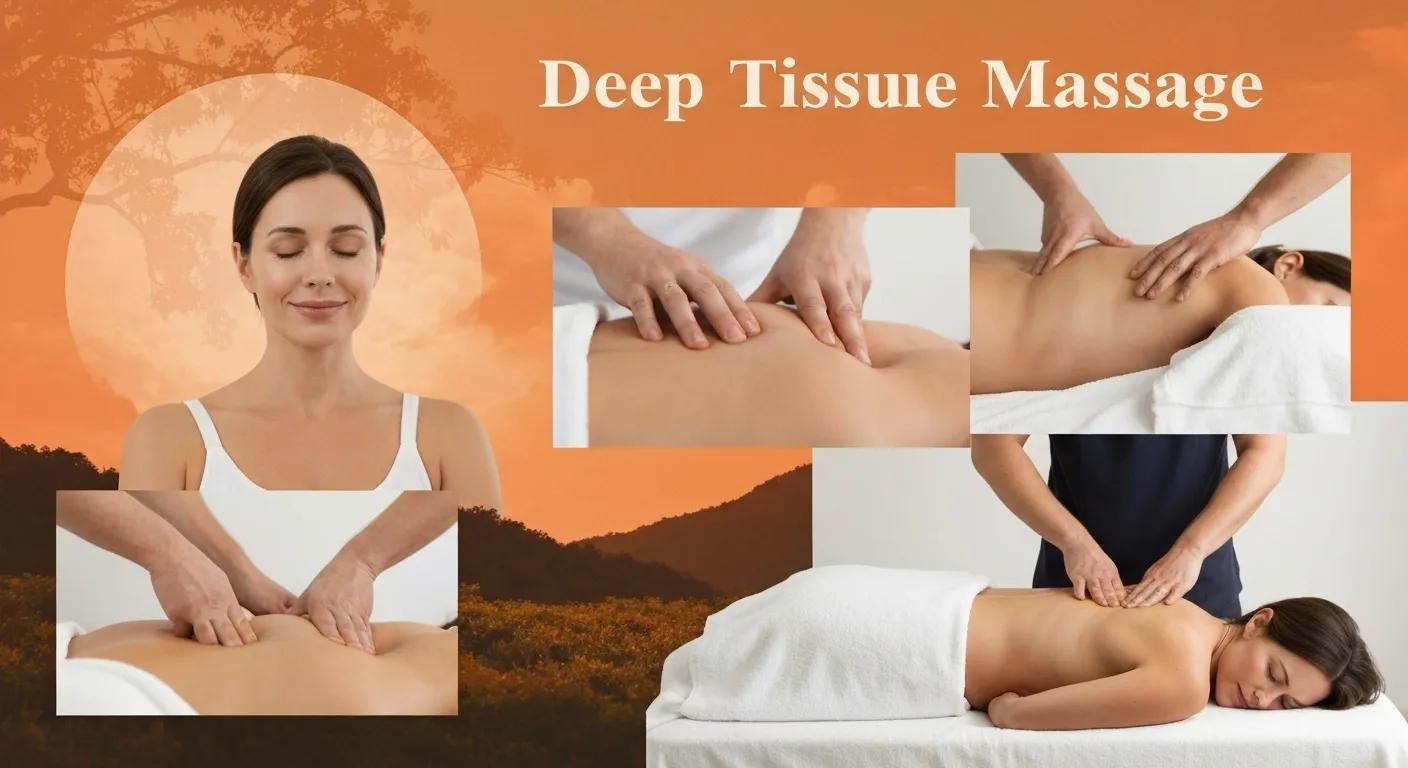
Deep tissue massage employs specific techniques to access deeper muscle layers and fascia. These techniques include stripping strokes, cross-fiber friction, and trigger point release. These methods work synergistically to restore muscle function and support connective tissue health.
This citation provides further detail on the specific techniques used in deep tissue massage, as described in the article.
Is Deep Tissue Massage Painful? What Should You Expect During and After Treatment?
Yes, deep tissue massage can involve discomfort because it reaches the densest muscle layers. Patients should expect:
- Moderate soreness that peaks within 24 hours and diminishes over 48 hours.
- Clear communication with the therapist to adjust pressure and enhance comfort.
- Aftercare recommendations such as hydration and gentle stretching to support recovery.
Proper dialogue during the session ensures effective treatment while minimizing excessive pain.
How Does Deep Tissue Massage Target Muscles and Fascia for Healing?
Deep tissue massage works by applying sustained, direct pressure that deforms connective tissue and encourages remodeling. Pressure increases extracellular fluid circulation, promoting the breakdown of adhesions in muscles, tendons, and fascia. This physiological mechanism elevates tissue pliability and accelerates the healing process for chronic strain.
What Is the Difference Between Deep Tissue and Swedish Massage?
Swedish massage primarily uses long, gentle strokes to promote relaxation and superficial circulation, whereas deep tissue massage employs firm, targeted pressure to access deep muscle layers and connective tissues.
The following comparison table highlights their core distinctions:
Which Medical Conditions Can Deep Tissue Massage Help?
Conditions Deep Tissue Massage Can Help
Deep tissue massage can be an effective adjunct for various medical conditions by targeting muscular and connective tissue imbalances. It can help alleviate sciatica by loosening tight muscles that can compress the sciatic nerve. It can also help manage fibromyalgia by reducing soft tissue tenderness and improving blood flow.
This citation supports the article’s claims about the conditions that deep tissue massage can help.
How Does Deep Tissue Massage Alleviate Sciatica and Nerve Compression?
Deep tissue massage alleviates sciatica by loosening tight piriformis and hamstring muscles that can compress the sciatic nerve. Sustained pressure and friction strokes on the buttocks and lower back reduce nerve irritation and restore normal nerve function. Patients often experience improved mobility and diminished radiating leg pain within a few sessions.
Can Deep Tissue Massage Manage Fibromyalgia and Chronic Fatigue Symptoms?
Deep tissue massage helps manage fibromyalgia by reducing soft tissue tenderness and improving blood flow to hypoxic areas. Deep strokes gently stretch tight fascia, decreasing the intensity of tender points. Alongside proper hydration and rest, this therapy supports regulation of central nervous system sensitization, helping to alleviate widespread pain and fatigue symptoms.
How Does Deep Tissue Massage Relieve Neck, Shoulder Pain, and Tension Headaches?
Deep tissue massage reduces neck and shoulder pain by addressing myofascial trigger points in the trapezius and levator scapulae muscles. Applying targeted pressure relieves muscle knots that refer pain to the head, thereby decreasing tension headaches. Restoring muscle balance in the upper back also supports improved posture, preventing recurrence.
How Can Deep Tissue Massage Be Combined With Other Therapies for Holistic Wellbeing?
Combining deep tissue massage with complementary therapies enhances overall outcomes by addressing multiple healing pathways simultaneously. Integrative approaches unify mechanical release, cellular regeneration, and spinal alignment for maximum benefit before exploring specific pairings.
What Are the Benefits of Combining Deep Tissue Massage With Cold Laser Therapy?
Integrating cold laser therapy with deep tissue massage accelerates inflammation reduction and tissue repair. Cold laser uses low-level light to stimulate cellular metabolism and collagen synthesis, while deep pressure breaks down adhesions and stimulates circulation. This combination:
- Enhances anti-inflammatory response at the cellular level.
- Speeds regeneration of soft tissue through photobiomodulation.
- Improves patient comfort by reducing post-massage soreness.
Together, these modalities promote faster healing and longer-lasting relief.
How Does Spinal Decompression Complement Deep Tissue Massage for Back Pain Relief?
Spinal decompression gently stretches the spine to relieve intervertebral disc pressure and allow nutrient exchange. Following decompression, deep tissue massage:
- Loosens surrounding paraspinal muscles that tighten in response to disc compression.
- Facilitates realignment of spinal structures by reducing muscle guarding.
- Sustains disc health by encouraging proper hydration and alignment through muscle release.
This sequential protocol maximizes comfort and supports structural restoration for long-term back pain management.
Why Choose an Integrated Approach at Get Well Northville?
Get Well Northville specializes in a holistic methodology that blends chiropractic care, deep tissue massage, cold laser therapy, and spinal decompression to transform wellbeing. By coordinating these evidence-based modalities, the clinic:
- Targets root causes of musculoskeletal imbalances.
- Ensures continuity of care through interdisciplinary collaboration.
- Empowers patients with personalized plans that foster sustainable wellness transformations.
This integrated philosophy delivers superior results beyond isolated treatments.
How Do You Book and Prepare for a Deep Tissue Massage in Northville?
Arranging a deep tissue massage at Get Well Northville is seamless, and proper preparation ensures you optimize the therapeutic benefits. Understanding the scheduling process and session guidelines creates confidence and fosters trust in the clinic’s professional standards.
How Can You Schedule Your Deep Tissue Massage Appointment at Get Well Northville?
Scheduling an appointment involves three simple steps:
- Call the clinic during business hours to discuss your needs and preferred times.
- Provide basic health information for therapist review and session customization.
- Confirm your appointment via phone or email and receive pre-session instructions.
Clear communication at this stage sets the foundation for a targeted, effective therapy plan.
What Should You Know Before Your First Deep Tissue Massage Session?
Before your initial session:
- Wear comfortable clothing and arrive hydrated to facilitate tissue responsiveness.
- Share your health history and current concerns so the therapist can tailor pressure techniques.
- Plan light activity afterward and avoid strenuous exercise for 24 hours to maximize recovery.
This preparation supports a safe, productive treatment experience.
What Do Patients Say? Real Testimonials on Deep Tissue Massage Transformations
Patients consistently praise the clinic’s expertise and compassionate care. Common themes include:
- Rapid pain reduction following chronic back and neck strain.
- Improved sleep quality as tension dissipates in daily routines.
- Enhanced athletic performance through quicker recovery cycles.
These testimonials reinforce Get Well Northville’s commitment to trust, relevance, and authority in natural healing.
What Are the Common Questions About Deep Tissue Massage?
Addressing the most frequent inquiries clarifies expectations and underscores deep tissue massage’s safety and effectiveness. These insights guide patients toward informed decisions about their care journey.
Is Deep Tissue Massage Good for You?
Yes, deep tissue massage is highly beneficial for reducing chronic pain, breaking down scar tissue, improving posture, and enhancing overall wellbeing by targeting deep muscle layers and connective tissues. Its lasting effects on circulation and musculoskeletal balance support long-term health and vitality.
How Often Should You Get Deep Tissue Massage for Best Results?
For optimal outcomes, scheduling deep tissue massage every 2–4 weeks allows consistent maintenance of muscle health and fascia pliability. Patients with acute or chronic conditions may start with weekly sessions and gradually space appointments as symptoms subside. Regular therapy fosters sustained tissue remodeling.
What Are the Possible Side Effects of Deep Tissue Massage?
Common side effects include temporary soreness, mild bruising, or stiffness in treated areas, which typically resolve within 48 hours. Communicating any discomfort during the session and following hydration and gentle stretching recommendations minimizes adverse responses and supports rapid recovery.
How Does Deep Tissue Massage Help With Scar Tissue and Inflammation?
Deep tissue massage breaks down adhesions in scarred muscle and connective tissue through sustained pressure and friction, improving elasticity and circulation in previously restricted areas. Enhanced blood flow accelerates the resolution of inflammation, contributing to more flexible, pain-free movement over time.
Why Choose Get Well Northville for Your Deep Tissue Massage Needs?
Get Well Northville combines deep expertise, state-of-the-art modalities, and personalized care to deliver transformative deep tissue massage experiences. Their local commitment and integrative philosophy set them apart in Northville’s wellness landscape.
What Makes Get Well Northville’s Approach to Deep Tissue Massage Unique?
The clinic’s unique methodology blends precise deep tissue techniques with adjunct therapies such as cold laser and spinal decompression. This synergy amplifies therapeutic effects, targeting both soft tissue and structural imbalances for comprehensive, long-lasting relief.
Who Are the Massage Therapists at Get Well Northville?
Get Well Northville’s massage therapists hold advanced certifications in myofascial release and deep tissue protocols, backed by years of clinical experience. Their specialized training in anatomy and biomechanics ensures safe, effective treatment plans tailored to each patient’s needs.
How Does Get Well Northville Serve the Northville Community and Local Athletes?
By hosting educational workshops, sponsoring youth sports teams, and offering community wellness events, Get Well Northville demonstrates unwavering dedication to local health. Athletes benefit from specialized recovery sessions, while families and seniors access natural, non-invasive care for enhanced long-term wellbeing.
Deep tissue massage at Get Well Northville offers a proven pathway to transform pain, posture, and performance through targeted manual therapy and integrative services. From the first appointment, patients experience the clinic’s commitment to personalized care, interdisciplinary collaboration, and lasting wellbeing. Embrace natural healing and take the next step toward sustained relief by scheduling your deep tissue massage in Northville today.
Frequently Asked Questions
What Should You Expect During Your First Deep Tissue Massage Session?
During your first deep tissue massage session, you can expect a thorough consultation where the therapist will discuss your health history and specific areas of concern. The session will begin with a warm-up to relax your muscles, followed by targeted techniques to address deeper layers of tension. You may experience some discomfort, but communication with your therapist is key to ensuring a comfortable experience. After the session, you might feel sore, similar to post-exercise soreness, but this should subside within a couple of days.
How Can Deep Tissue Massage Benefit Mental Health?
Deep tissue massage can significantly benefit mental health by reducing stress and anxiety levels. The therapy promotes relaxation by stimulating the parasympathetic nervous system, which helps lower cortisol levels. Additionally, the release of endorphins during the massage can enhance mood and create a sense of well-being. Regular sessions can help individuals manage stress more effectively, leading to improved mental clarity and emotional resilience, making it a valuable tool for holistic mental health care.
Is Deep Tissue Massage Safe for Everyone?
While deep tissue massage is generally safe for most individuals, it may not be suitable for everyone. People with certain medical conditions, such as severe osteoporosis, blood clotting disorders, or recent surgeries, should consult their healthcare provider before undergoing this type of massage. Pregnant women and those with specific health concerns should also seek professional advice. A qualified therapist will assess your health history and tailor the session to ensure safety and effectiveness.
How Can Deep Tissue Massage Help with Posture Improvement?
Deep tissue massage can play a crucial role in improving posture by addressing muscle imbalances and tension that contribute to poor alignment. By targeting tight muscles and fascia, the therapy helps to release restrictions and promote flexibility. This realignment allows for better spinal positioning and reduces the strain on muscles that may be compensating for postural issues. Over time, regular deep tissue sessions can lead to enhanced body awareness and a more upright, balanced posture.
What Aftercare Should You Follow Post-Deep Tissue Massage?
After a deep tissue massage, it’s essential to follow some aftercare guidelines to maximize the benefits and minimize discomfort. Hydration is crucial, as it helps flush out toxins released during the massage. Gentle stretching can also aid in maintaining flexibility and reducing soreness. Avoiding strenuous activities for at least 24 hours allows your body to recover effectively. Listening to your body and resting as needed will enhance the overall therapeutic effects of the massage.
Can Deep Tissue Massage Help with Sleep Issues?
Yes, deep tissue massage can help improve sleep quality by promoting relaxation and reducing muscle tension. The therapy stimulates the release of neurotransmitters like serotonin, which can enhance mood and facilitate better sleep. By alleviating physical discomfort and stress, deep tissue massage creates a more conducive environment for restful sleep. Many patients report improved sleep patterns and reduced insomnia symptoms after regular sessions, making it a beneficial practice for those struggling with sleep issues.
Deep tissue massage offers transformative benefits by alleviating chronic pain, reducing stress, and enhancing overall wellbeing through targeted techniques. This holistic approach not only addresses physical discomfort but also fosters mental clarity and emotional resilience. To experience these profound effects for yourself, consider scheduling a session at Get Well Northville. Take the first step towards a healthier, more balanced life today.