Understanding the Benefits of Massage Therapy for Pain Relief
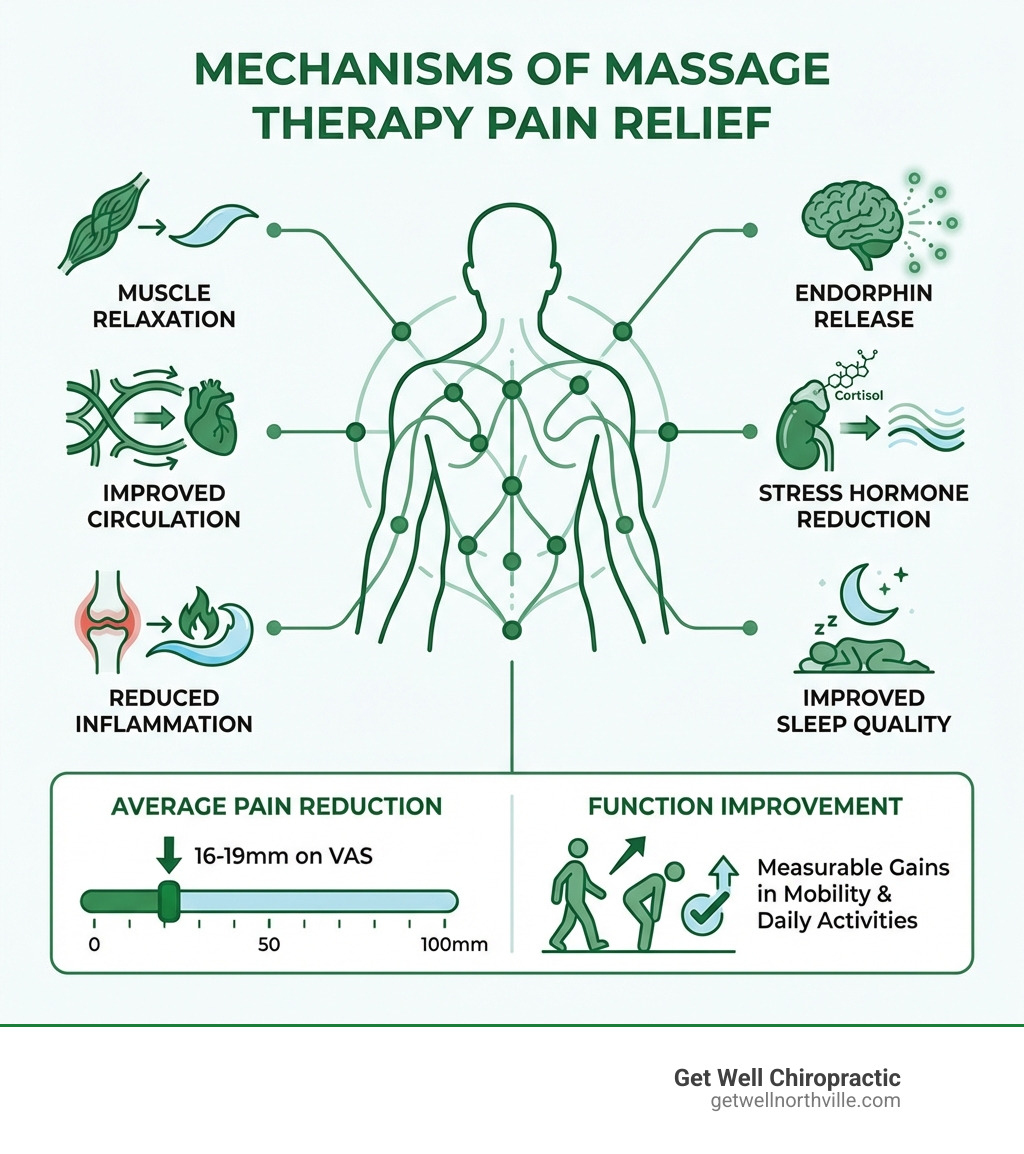
Massage therapy pain relief is supported by scientific evidence showing it can reduce pain intensity, improve function, and improve quality of life for many common conditions. Research indicates that massage works through multiple mechanisms—relaxing tight muscles, improving circulation, reducing inflammation, and triggering the release of natural pain-relieving chemicals in your body.
Key Benefits of Massage Therapy for Pain:
- Reduces pain intensity by an average of 16-19mm on pain scales for shoulder pain and knee osteoarthritis
- Improves function with measurable gains in mobility and daily activities
- Improves mood by increasing serotonin and dopamine while reducing stress hormones
- Promotes better sleep through relaxation and pain reduction
- Offers a drug-free approach to managing both acute and chronic pain
Pain affects approximately 80% of people at some point in their lives, making it one of the most common reasons for seeking medical care. Whether you’re dealing with chronic low back pain, neck stiffness, arthritis, or muscle tension from stress, massage therapy offers a natural, evidence-based option for relief.
The good news? You don’t need to live with constant discomfort. Systematic reviews have found moderate-certainty evidence that massage provides short-term benefits for musculoskeletal disorders like shoulder pain, knee osteoarthritis, and low back pain, especially when compared to no treatment.
In this guide, we’ll explore how massage relieves pain, which conditions it helps, what to expect, and how to find a qualified therapist. You’ll find the research-backed information you need to make an informed decision about your health.
How Massage Therapy Works to Alleviate Pain
Have you ever wondered what exactly happens when a skilled therapist works on your muscles and tissues? The primary mechanisms by which massage therapy pain relief is achieved are complex, involving mechanical and biochemical changes, along with a powerful mind-body connection.
Mechanical Mechanisms
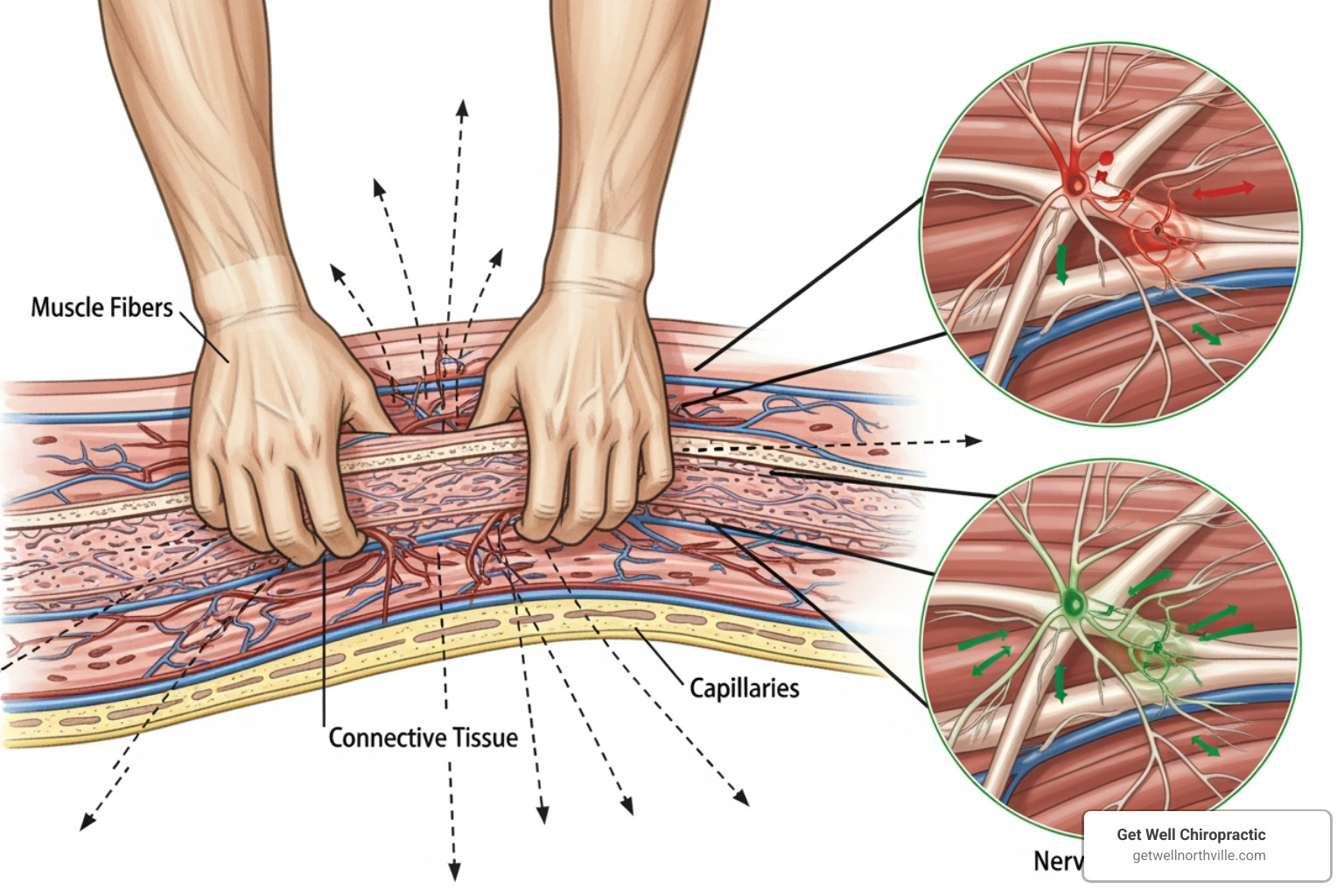
When our massage therapists apply pressure and specific techniques, they initiate a cascade of physical responses:
- Reduced Muscle Tension: Massage physically lengthens tight muscle fibers, releases knots (myofascial trigger points), and restores elasticity. This reduces painful spasms and contractions, improving flexibility and range of motion.
- Improved Blood Circulation: The pressure of massage stimulates blood flow, delivering more oxygen and nutrients to injured tissues. This process also helps flush out metabolic waste products like lactic acid, which reduces swelling, inflammation, and stiffness.
- Gate Control Theory of Pain: This theory suggests that the pleasant sensations of massage travel along nerve fibers faster than pain signals. By creating this “competing” sensation, massage can block pain messages from reaching the brain, effectively reducing your perception of pain.
- Trigger Point Release: Specific massage techniques apply sustained pressure to localized, hypersensitive spots in muscles known as trigger points. Releasing these points can alleviate both local and referred pain.
Biochemical Mechanisms
Beyond mechanical actions, massage influences your body’s internal chemistry for natural pain relief:
- Endorphin Release: Massage stimulates the release of endorphins, the body’s natural painkillers. These neurochemicals reduce pain perception and create a sense of well-being.
- Serotonin and Dopamine Increase: Massage boosts levels of serotonin and dopamine, neurotransmitters that regulate mood, sleep, and pain. Higher levels can increase pain tolerance and improve your ability to cope with discomfort.
- Cortisol Reduction: Massage has a calming effect on the nervous system, which helps lower levels of the stress hormone cortisol. Since stress often worsens pain, reducing cortisol is key to better pain management.
- Substance P Reduction: Studies suggest massage can decrease Substance P, a neuropeptide that transmits pain signals to the brain. Lowering its levels helps dampen the body’s pain response.
The Mind-Body Connection in Pain Relief
Pain is a complex experience influenced by our thoughts and emotions. This is where the mind-body connection of massage truly shines.
- Psychological Benefits: The calming environment and therapeutic touch of massage induce deep relaxation, which helps break the cycle of pain and stress. A relaxed mind and body can lead to a significant reduction in perceived pain.
- Stress and Anxiety Relief: Chronic pain is often linked to stress and anxiety. By calming the nervous system and lowering cortisol levels, massage provides a sense of well-being that can make pain feel less overwhelming and easier to manage.
- Improved Body Awareness: Regular massage helps you become more attuned to your body’s signals, allowing you to notice tension before it becomes severe pain. This awareness empowers you to take proactive steps in your wellness journey. The act of receiving therapeutic touch also fosters a healing sense of being cared for.
Short-Term vs. Long-Term Effects on Pain
Understanding the timeline of benefits is key to integrating massage into your pain management plan.
- Immediate Relief: Many clients report immediate relief from muscle soreness and stiffness after a session due to the release of muscle fibers, improved circulation, and a surge of endorphins. You may feel lighter, more flexible, and notice a decrease in pain.
- Cumulative Benefits: The true power of massage therapy pain relief lies in its cumulative effects. Regular sessions lead to sustained pain reduction and improved function. Research suggests a “dose-dependent” effect, where consistent treatment yields better long-term results.
- Sustained Improvements: Clients on a consistent treatment plan often experience long-term benefits like improved flexibility, better range of motion, and fewer pain flare-ups. Ongoing massage is a key part of a proactive wellness strategy, helping to prevent pain before it starts.
- Improved Function: Beyond pain reduction, massage significantly improves function. Studies show notable gains for conditions like shoulder pain and knee osteoarthritis, allowing individuals to perform daily tasks more easily and improve their quality of life.
For more in-depth information on the scientific underpinnings of massage therapy, you can explore resources like the Scientific evidence on massage mechanisms.
Conditions That May Benefit from Massage Therapy
The evidence for massage therapy pain relief is growing, particularly for musculoskeletal issues. At Get Well Chiropractic, we frequently help clients in Northville, MI, manage pain from these conditions.
Moderate-Certainty Evidence for Pain
While research is ongoing, major reviews have found “moderate-certainty evidence” that massage therapy provides beneficial pain relief for several conditions. This means there is a good level of scientific confidence that massage can help.
Musculoskeletal Disorders
These common conditions affect muscles, bones, joints, and tendons. Massage therapy is a foundational tool for relieving this type of pain and plays a major role in our practice.

Managing Chronic Low Back Pain
Low back pain is one of the most frequent complaints we see. The good news is that massage therapy offers a viable option for relief.
- Short-Term Benefits: For subacute and chronic low back pain, massage has been shown to provide short-term benefits in pain reduction and functional improvement compared to no treatment. Clinical guidelines from the American College of Physicians include massage as a recommended option.
- Effectiveness Compared to Other Therapies: Research suggests massage may be more effective than relaxation or acupuncture for low back pain. Different massage styles, such as Swedish, Thai, or acupressure massage, have all been shown to be beneficial depending on the specific condition.
For a deeper dive into the evidence for low back pain, you can refer to the Cochrane review on massage for low-back pain.
Easing Neck and Shoulder Pain
Neck and shoulder pain, often from poor posture or stress, are incredibly common.
- Chronic Neck Pain Relief: Regular, appropriately dosed massage can be highly effective for chronic neck pain. A key study found that 60-minute sessions two or three times a week provided more relief than fewer or shorter sessions.
- Improved Function and Pain Scores: For shoulder pain, research shows significant short-term benefits. Studies report an average pain reduction of 16 mm on a visual analogue scale and notable improvements in function. This means not only does the pain lessen, but your ability to use your shoulder also improves.
Support for Osteoarthritis and Joint Pain
Arthritis causes stiffness, swelling, and persistent joint pain. Massage offers a gentle way to manage these symptoms.
- Knee Osteoarthritis: Studies show massage provides short-term benefits for knee pain, with an average pain reduction of 19 points on a visual analogue scale. It also improves function, with studies showing a mean difference of –13.0 on function scales, indicating better mobility.
- Hand Arthritis: For hand pain, weekly massage combined with self-massage at home has been shown to reduce pain, improve grip strength, and decrease anxiety. Improved grip strength is crucial for maintaining independence in daily tasks.
- Self-Massage: Learning simple self-massage techniques can extend the benefits of professional sessions, empowering you to manage pain at home.
Your Guide to Effective Massage Therapy Pain Relief
Choosing to integrate massage therapy into your wellness routine is a proactive step towards managing pain and improving your overall health. Here’s how to make the most of your experience.
Finding the Right Type of Massage for Pain Relief
Just as there are many different types of pain, there are also various massage techniques. Finding the right type for your specific needs is crucial for effective massage therapy pain relief.
- Swedish Massage: This foundational technique uses long, flowing strokes and lighter pressure to promote relaxation, improve circulation, and ease mild muscle tension. It’s a great starting point for general wellness.
- Deep Tissue Massage: This technique uses more intense pressure to target deeper layers of muscle and connective tissue. It is highly effective for chronic aches, stiff necks, low back pain, and sore shoulders. Learn more about its benefits for posture and overall wellness.
- Myofascial Release: This technique applies sustained pressure to release restrictions in the fascia (connective tissue), which can cause pain and limited mobility. It’s helpful for conditions like fibromyalgia and is related to treatments like MYACT Therapy.
- Trigger Point Therapy: This focused massage deactivates hyperirritable spots in muscles (trigger points) that cause local and referred pain. It offers targeted relief by applying direct, sustained pressure.
- Sports Massage: Beneficial for active individuals, this massage helps prevent injuries, aids in recovery, and addresses muscle pain from physical activity. It’s a great option for athletes and active people in Northville, MI.
- Thai Massage: This practice combines acupressure and assisted yoga postures to stretch, pull, and rock the body. It is performed on a mat while clothed and can be effective for conditions like chronic low back pain.
We encourage you to discuss your specific pain and preferences with your therapist, as they can help you determine the most effective approach. Our team is skilled in various modalities to provide Expert-Recommended Massage Techniques for Pain Relief and Unique Massage Therapy Approaches for Pain Management.
What to Expect: Short-Term vs. Long-Term Effects of Massage Therapy for Pain Relief
Starting on a journey of massage therapy for pain relief means understanding the process and setting realistic expectations.
- Initial Consultation: Your first visit will include a thorough discussion of your health history, pain points, and goals. This allows our licensed therapists to create a personalized treatment plan and understand the root causes of your discomfort.
- Communication is Key: Always communicate with your therapist about your preferred pressure. While deep work on a sensitive spot might be uncomfortable, the overall experience should not be painful. Open communication ensures your session is both effective and enjoyable. Our therapists will adjust techniques based on your feedback, especially for conditions like fibromyalgia where lighter pressure may be better.
- Potential for Next-Day Soreness: It’s normal to feel mild soreness after a deep massage, similar to post-workout muscle ache. This is a sign that tight muscles are releasing and usually resolves within 24-48 hours.
- Importance of a Consistent Plan: While a single massage helps, the most lasting benefits of massage therapy pain relief come from a consistent treatment plan. Regular sessions build on each other to prevent pain and maintain function. Your therapist will recommend a frequency based on your needs.
Choosing a Qualified Massage Therapist
Selecting the right massage therapist is a crucial step in your journey toward effective pain management. Here’s what we recommend considering:
- Credentials and Licensing: Always ensure your massage therapist is licensed, certified, or registered in Michigan. This guarantees they have met state-mandated education and training requirements. Our therapists at Get Well Chiropractic are all highly qualified and meet these standards.
- Experience with Specific Pain Conditions: Ask if the therapist has experience working with clients who have similar issues, such as chronic low back pain, neck pain, or arthritis. Specialized knowledge can make a significant difference.
- Communication and Professionalism: A good therapist will listen attentively, explain their approach, and maintain clear communication. They should create a comfortable and respectful environment.
- Referrals and Reviews: Don’t hesitate to ask your primary care provider or chiropractor for recommendations. Word-of-mouth from trusted sources or checking online reviews can also be valuable.
Is Massage Therapy Always Safe? Understanding Risks and Contraindications
While massage therapy is generally safe, it’s important to understand potential risks and contraindications. Your safety is our top priority at Get Well Chiropractic.
Common Mild Side Effects
Most side effects are mild and temporary, including:
- Soreness or Fatigue: Feeling sore or tired after a deep tissue massage is normal and usually subsides within a day or two.
- Minor Bruising or Skin Sensitivity: Rarely, deep pressure can cause minor bruising. Some people may also experience temporary skin irritation from massage lotions.
When to Consult a Doctor
It’s wise to consult your doctor before starting massage therapy, especially if you have an underlying health condition. This ensures massage is a safe option for you. Our therapists are trained to recognize when medical clearance is needed. For more safety information, consult this overview of massage therapy safety.
Absolute Contraindications
These are conditions where massage should be avoided due to significant health risks:
- Deep Vein Thrombosis (DVT): Risk of dislodging a blood clot.
- Bleeding Disorders or Use of Blood Thinners: Increased risk of bruising or bleeding.
- Severe Osteoporosis: Risk of fractures.
- Open Wounds, Skin Infections, or Contagious Diseases: To prevent spread and irritation.
- Recent Fractures or Surgery: Direct massage can interfere with healing.
- Certain Cancers: Massage for cancer patients requires a doctor’s clearance, especially near tumors or during active treatment. Our team works with your medical providers to ensure safety.
Local Contraindications
These are conditions where massage should be avoided on the specific area, but is safe elsewhere:
- Varicose Veins
- Bruises or Localized Inflammation
- Tumors
- Acute Injuries (e.g., recent sprains)
- Eruptive Skin Conditions (e.g., poison ivy)
- Certain Heart Conditions: Severe heart conditions require medical clearance before any massage.
Always be honest and thorough when discussing your health history with your massage therapist. Our professionals are trained to adapt techniques or refer you to a medical doctor if there are any concerns about your safety.
Conclusion: Your Next Step in Natural Pain Management
We’ve explored how massage therapy pain relief works through its mechanical, biochemical, and mind-body effects. For conditions like back pain, neck stiffness, and arthritis, it can effectively reduce pain and improve function, with consistent sessions leading to lasting wellness. A personalized approach is key to your journey.
At Get Well Chiropractic, we believe in comfortable, honest, and compassionate service focused on natural healing and long-term wellness. Our licensed therapists in Northville, MI are dedicated to providing expert, personalized massage therapy as part of a comprehensive approach to pain relief. We work closely with you to understand your unique needs and craft a treatment plan that supports your body’s innate ability to heal.
If you’re ready to explore how massage therapy can be a safe and effective option for your pain management, we invite you to connect with us. Take control of your pain management journey today and find the profound benefits of therapeutic touch.
Contact us today to schedule your personalized massage therapy session!

