Pain Relief Breakthrough: Massage Therapy Techniques Explained for Effective Chronic Pain Management
Chronic pain affects over 50 million Americans, limiting mobility and quality of life—massage therapy techniques offer a natural, non-invasive breakthrough in long-term relief. In this article, you will discover how targeted bodywork interventions improve circulation, reduce inflammation, and interrupt pain signals while supporting overall wellness. We map out foundational pain-relief mechanisms, examine the most effective modalities—such as deep tissue, trigger point, myofascial release and sports massage—highlight the conditions best suited for each, and show how Get Well Chiropractic’s holistic integration of cold laser and spinal decompression enhances outcomes. We then explain why Northville adults trust our licensed therapists, share real patient successes, and guide you through scheduling a personalized consultation. By the end, you’ll understand which massage therapy techniques for pain relief align with your needs and how to access expert care in Michigan.
How Does Massage Therapy Provide Lasting Pain Relief?
Massage therapy uses deliberate manual pressure to manipulate soft tissues, promoting improved blood flow and interrupting persistent pain-signal pathways. By increasing circulation to strained muscles, massage supports oxygen delivery and nutrient exchange, which accelerates tissue repair and reduces localized inflammation. The mechanical action also stimulates release of endorphins and serotonin, natural neurotransmitters that elevate pain thresholds and foster a sense of relaxation.
To illustrate, the following list outlines core physiological effects:
- It enhances lymphatic drainage, clearing inflammatory mediators from muscle fibers.
- It decreases muscle tone by lengthening hyper-contracted tissue.
- It modulates the autonomic nervous system to shift from “fight-or-flight” to parasympathetic recovery.
These combined processes not only relieve immediate discomfort but also build resilience against recurring pain, setting the stage for targeted techniques that address specific conditions.
What Are the Key Benefits of Massage Therapy for Pain and Mobility?
Massage therapy improves range of motion, reduces stiffness, and supports functional movement by addressing both joint and soft-tissue restrictions. It enhances postural alignment through gentle mobilization of fascia and connective tissues, enabling muscles to work in balanced synergy. In addition, the reduction of stress hormones fosters better sleep and psychologically supports pain management.
By promoting neuromuscular regulation, practitioners help patients regain flexibility in problem areas such as shoulders, hips, and the lumbar spine. Enhanced mobility reduces compensatory strain on adjacent joints, preventing secondary injury and creating a foundation for ongoing recovery.
How Does Massage Therapy Reduce Muscle Tension and Inflammation?
Targeted pressure applied along muscle fibers breaks up adhesions—small bands of painful, restricted tissue—while stimulating mechanoreceptors that send relaxing signals to the central nervous system. This dual action releases chronic tension and down-regulates inflammatory processes via increased microcirculation and local heat generation. As inflammation subsides, pain intensity diminishes, and tissue healing proceeds more efficiently.
Sustained sessions foster durable improvements by encouraging collagen realignment within fascia, preventing re-adhesion and maintaining long-term flexibility.
Which Types of Pain Can Massage Therapy Effectively Treat?
Massage therapy addresses a wide spectrum of musculoskeletal conditions by adapting technique and pressure to each diagnosis. The table below summarizes key condition-technique-outcome relationships:
What Are the Most Effective Massage Therapy Techniques for Pain Relief?
How Does Deep Tissue Massage Target Chronic Back Pain?
Deep tissue massage applies sustained, firm pressure to penetrate deep muscle layers and fascia, breaking up scar tissue and connective barriers that compress nerves. By aligning fibers and elongating muscle tissue, it reduces mechanical stress on spinal structures and alleviates chronic back pain. Advanced practitioners integrate slow strokes and focused friction to enhance tissue remodeling and restore lumbar range of motion.
Patients report a decrease in pain intensity within 1–2 sessions and notice enhanced spine flexibility. This targeted approach complements spinal decompression by maintaining soft-tissue elasticity around vertebral segments.
Research has directly compared the effectiveness of deep tissue massage with other therapeutic approaches for chronic low back pain.
Deep Tissue vs. Therapeutic Massage for Chronic Low Back Pain Management
ABSTRACT: AbstractIntroduction: This study compared the effectiveness of two different kind of massage: therapeutic and deep tissue on chronic low back pain.Methods: The research was made on 26 patient aged from 60 to 75 years who were seperated into 2 groups: I [n=13] and II [n=13]. Group I had therapeutic massage [TM] which uses effleurage, petrissage, tapping and friction. Group II had deep tissue massage [DTM] which uses oblique pressure, a combination of lengthening and cross-fiber strokes, anchor and stretch, freeing muscle from entrapment. TM and DTM lasted for 10 days, each 30 min and were made by qualify massage therapist. Both groups did not have other treatment. Outcome measures obtained at baseline and after treatment consisted of Modified Oswestry Low Back Pain Disability Index [ODI], Quebec Back Pain Disability Scale[QBPD] and Visual Analog Scale [VAS].Results: There was not statistically significant differences between groups according to age and BMI. Statistically significant dif
What Is Trigger Point Therapy and How Does It Relieve Chronic Pain?
Trigger point therapy involves identifying hyper-irritable nodules in muscle fibers—“knots”—and applying direct pressure to induce localized release. This manual technique interrupts abnormal muscle contraction patterns and reduces referred pain that often radiates into adjacent regions such as the head or limbs. The pressure increases oxygenation within the muscle knot, accelerating metabolic waste clearance and eradicating pain-generating factors.
By systematically releasing trigger points, therapists support long-term relief from tension headaches, neck pain, and persistent muscle tightness.
How Does Myofascial Release Improve Fascial Flexibility and Reduce Pain?
Myofascial release focuses on gentle sustained stretching of the connective tissue web—fascia—surrounding muscles and joints. Restrictions in fascial layers often limit mobility and sustain low-grade inflammation. Through light tension and skilled hand-over-hand techniques, therapists encourage fascia to unwind and realign, restoring painless glide between muscle groups and joints.
This process enhances joint range, decreases stiffness, and supports normalization of movement patterns—essential for patients recovering from injury or postural stress.
What Are the Benefits of Swedish Massage for Relaxation and Mild Pain?
Swedish massage uses long, gliding strokes, kneading, and rhythmic tapping to promote relaxation and stimulate circulation. While gentler than deeper modalities, it effectively reduces mild pain by easing muscle tension and supporting lymphatic flow. The soothing touch triggers endorphin release, calming the nervous system and creating a foundation for deeper therapeutic work.
Regular Swedish sessions help maintain overall muscle health, prevent tissue overuse, and support stress reduction in everyday life.
How Does Sports Massage Aid in Pain Relief and Athletic Recovery?
Sports massage incorporates dynamic stretching, compression, and friction techniques designed to optimize athletic performance and recovery. By addressing soft-tissue imbalances, reducing microtrauma, and enhancing blood flow to fatigued muscles, this modality promotes faster healing and prevents overuse injuries. Therapists adapt protocols to pre-event warm-ups or post-event cooldowns for individualized recovery.
Athletes experience improved flexibility, reduced delayed-onset muscle soreness, and quicker return to training rhythms.
What Specialized Massage Techniques Does Get Well Chiropractic Offer?
Get Well Chiropractic in Northville extends its repertoire with Prenatal Massage—supporting pregnant women through pelvic balancing and gentle spinal realignment—and Raindrop Massage, which blends essential-oil applications with feather-light strokes to harmonize energy flow and reduce whole-body stress. These unique services complement core modalities by addressing specialized pain profiles and holistic well-being.
Which Common Pain Conditions Benefit Most from Massage Therapy?
How Can Massage Therapy Help Relieve Back Pain and Sciatica?
Deep tissue techniques and myofascial release work synergistically to unwind tight lumbar muscles and reduce pressure on the sciatic nerve. Improved flexibility in the erector spinae and piriformis muscles eases neural irritation, while enhanced circulation accelerates healing of inflamed discs. When combined with spinal decompression, these approaches sustain spinal alignment and prevent relapse.
Consistent sessions can decrease sciatic radiating pain by up to 60 percent within six weeks.
What Massage Techniques Are Best for Neck Pain and Headache Relief?
Trigger point therapy targets hyper-tonic bands in the upper trapezius and suboccipital muscles that commonly refer pain to the head. Swedish strokes around the cervical region reduce vascular constriction and improve lymphatic clearance, diminishing tension-headache frequency. Gentle mobilization of cervical fascia restores neck posture, easing stress on neural pathways that trigger migraines.
Patients often experience immediate tension reduction followed by progressive improvement in headache patterns.
How Does Massage Therapy Alleviate Migraines and Tension Headaches?
Targeted scalp, neck, and shoulder massage stimulates mechanoreceptors that send calming signals to the brainstem, modulating pain-processing centers. Combining trigger point release with light Swedish approaches around the nuchal line supports muscle relaxation without exacerbating migraine sensitivity. This balanced protocol reduces prostaglandin release, lowering headache intensity and duration.
Can Massage Therapy Reduce Pain from Arthritis and Fibromyalgia?
Gentle Swedish massage and myofascial techniques improve joint lubrication and increase regional blood flow, which eases stiffness in arthritic joints. For fibromyalgia, light-pressure massage activates large-fiber mechanoreceptors that inhibit pain transmission and encourage relaxation. Regular sessions help down-regulate central sensitization, leading to fewer pain flares and improved sleep quality.
How Does Get Well Chiropractic Integrate Massage Therapy with Other Pain Relief Solutions?
What Role Does Cold Laser Therapy Play in Enhancing Pain Relief?
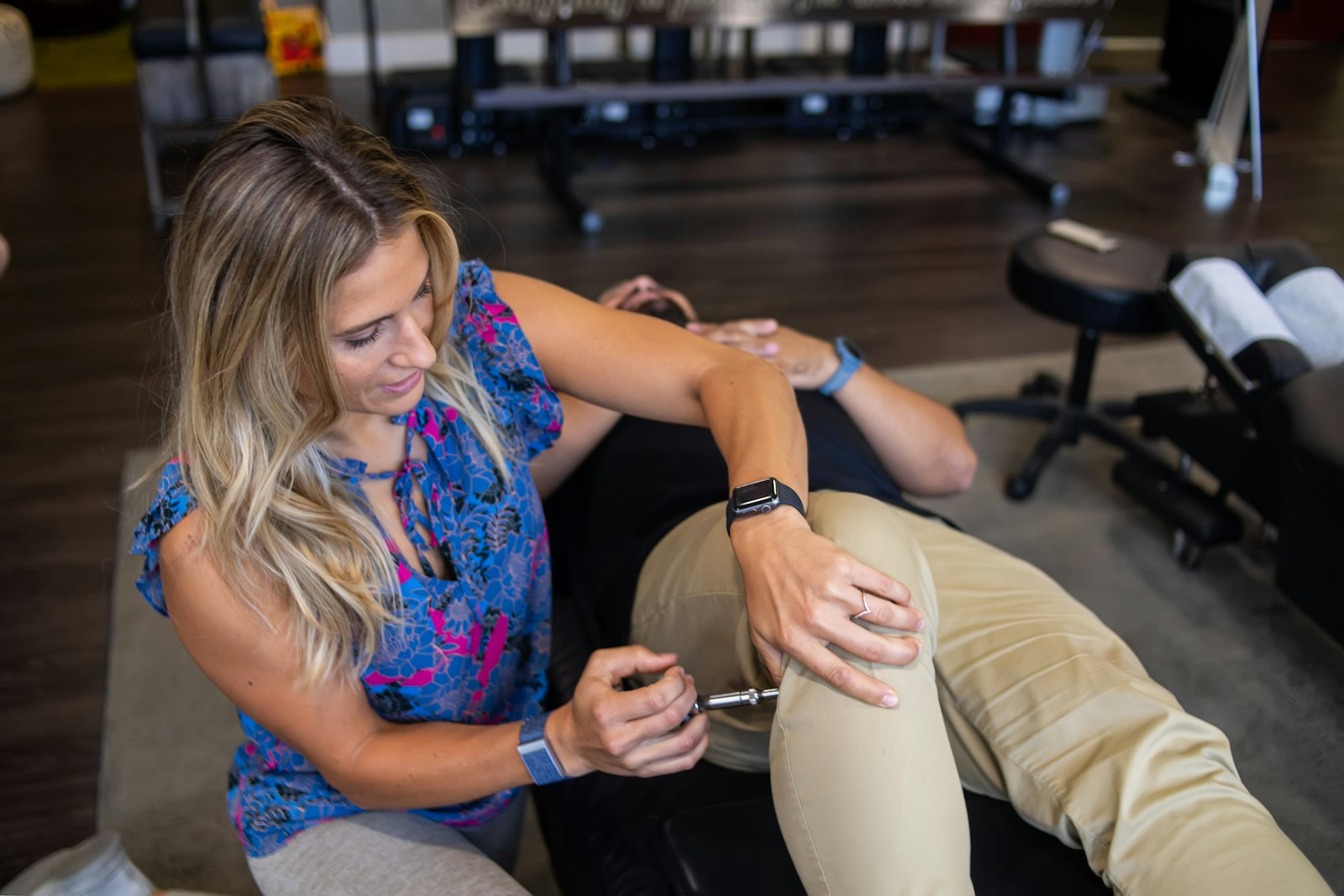
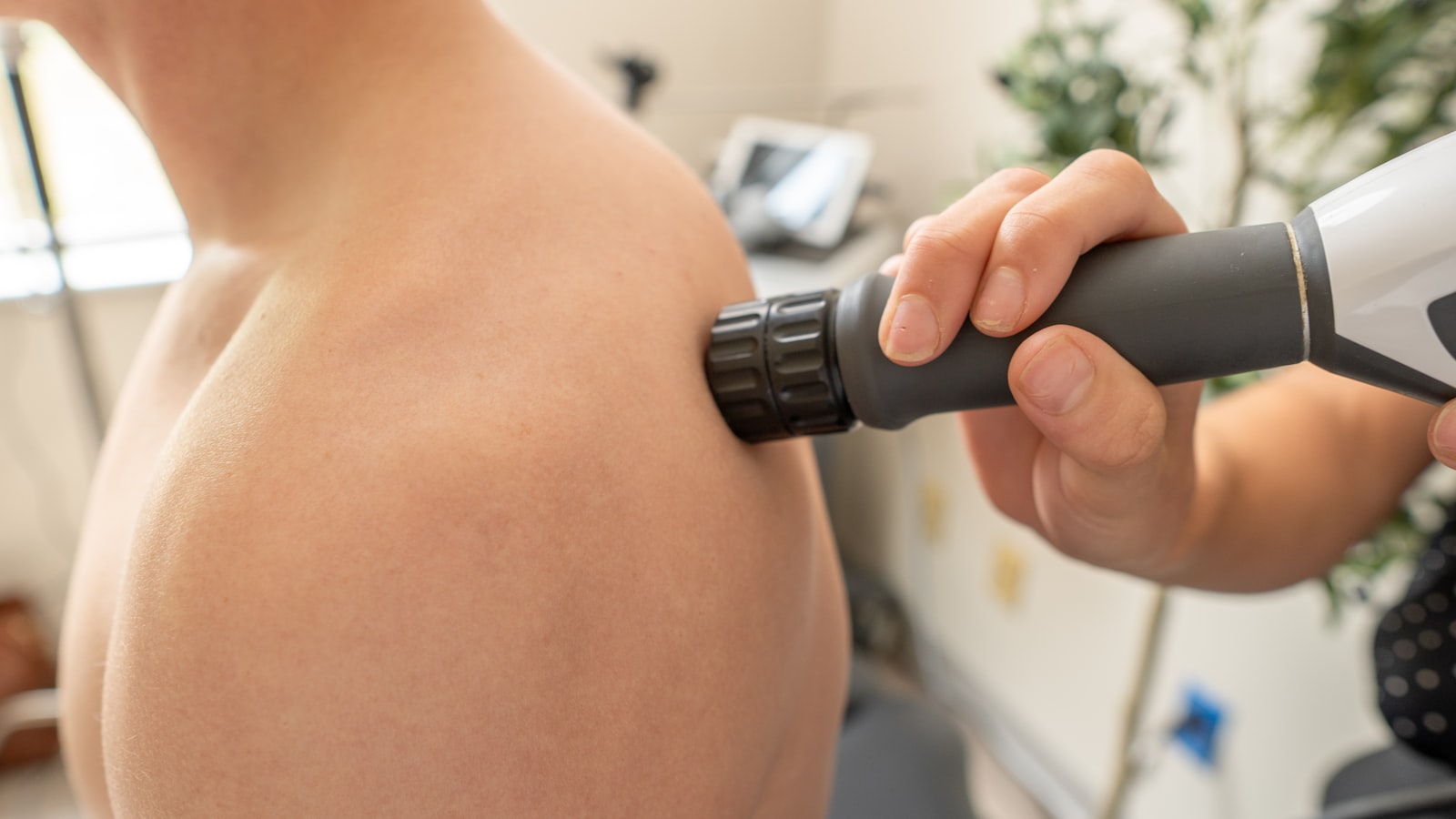
Cold laser therapy uses photobiomodulation to reduce inflammation, accelerate cellular repair, and support pain reduction at a biochemical level. When applied before or after massage, laser sessions prime tissues for deeper manual work and prolong the anti-inflammatory benefits. This tandem approach amplifies endorphin release and supports faster recovery of injured soft tissues.
How Does Spinal Decompression Therapy Support Massage for Back Pain?
Spinal decompression gently separates vertebrae to relieve pressure on intervertebral discs and nerve roots. This mechanical therapy creates space for disc rehydration and reduces neural irritation. Following decompression, targeted massage maintains soft-tissue flexibility and prevents rebound tension, reinforcing decompression outcomes and minimizing relapse risk.
Why Is a Holistic Approach Important for Long-Term Pain Management?
Addressing structural, biochemical, and neurological contributors to pain ensures that relief is not merely temporary. A holistic plan integrates manual therapy, mechanical decompression, and photobiomodulation with lifestyle guidance—supporting sustainable improvements in posture, movement habits, and stress resilience. This cohesive strategy empowers patients to maintain wellness long after their initial treatment plan concludes.
Why Choose Get Well Chiropractic in Northville for Your Massage Therapy Needs?
What Qualifications and Experience Do Our Licensed Therapists Have?
Our team consists of state-licensed massage therapists and chiropractors with advanced training in orthopedic assessment, neuromuscular re-education, and therapeutic modalities. They combine years of hands-on experience with ongoing education in evidence-based techniques, ensuring every session targets underlying dysfunctions rather than masking symptoms.
How Does Personalized Care Improve Pain Relief Outcomes?
Each patient undergoes a comprehensive evaluation that identifies postural imbalances, movement limitations, and potential contraindications. Therapists then design a customized plan that sequences modalities—massage, cold laser, decompression—based on real-time feedback. This bespoke approach maximizes therapeutic impact and reduces unnecessary sessions.
What Makes Our Clinic Environment Ideal for Relaxation and Healing?
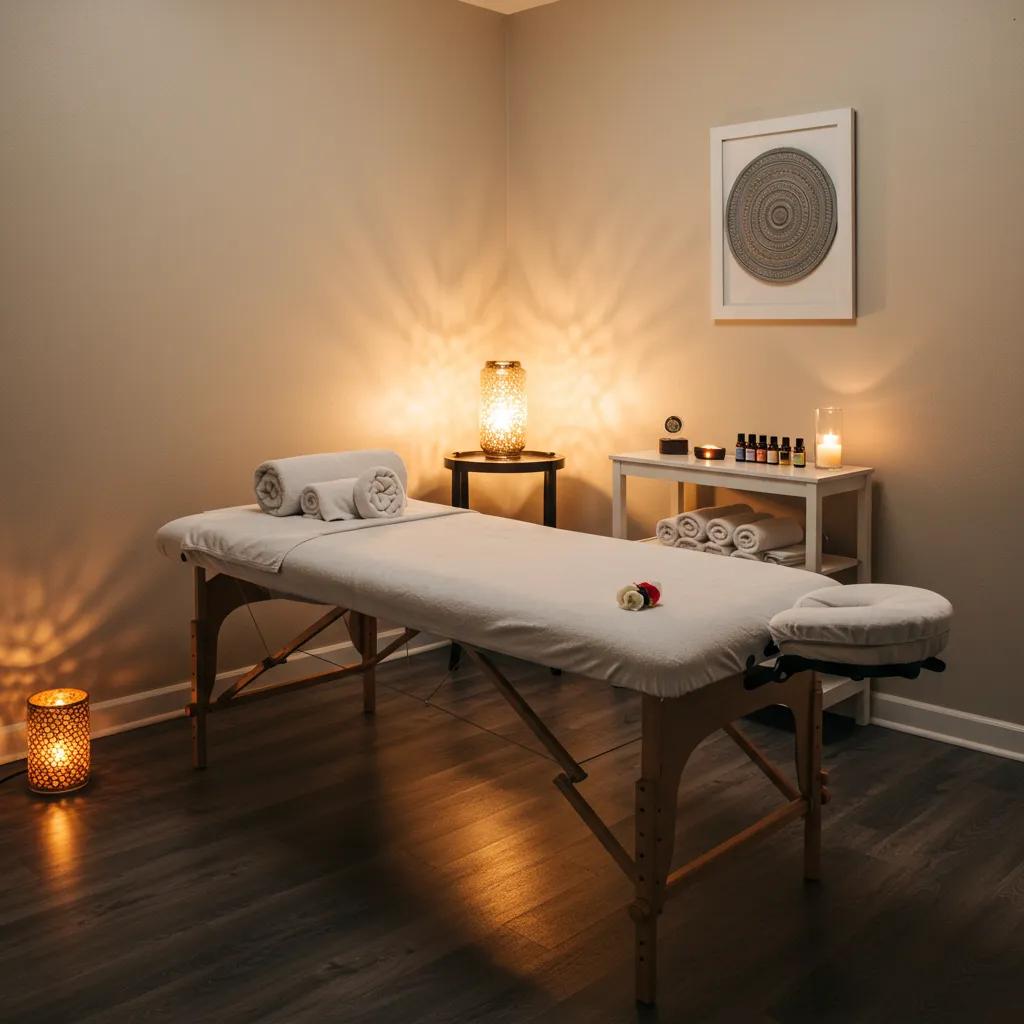
Treatment rooms are equipped with heated massage tables, adjustable lighting, and subtle aromatherapy to foster parasympathetic activation from the moment you arrive. Quiet ambient soundscapes and private changing areas reinforce a sense of calm, enabling deeper muscular release and enhancing patient comfort throughout the healing process.
What Do Patients Say About Their Pain Relief Success with Massage Therapy?
Which Patient Stories Highlight Effective Pain Reduction?
A middle-aged runner with chronic hamstring tension regained full stride after a combination of sports massage and laser therapy, reducing recovery time by 50 percent. Another case involved a senior experiencing arthritic shoulder pain who achieved a 70 percent decrease in stiffness through biweekly myofascial release and chiropractic adjustments.
How Have Our Massage Techniques Improved Mobility and Quality of Life?
Patients regularly describe easier daily activities—like lifting groceries or turning to back a car seat—thanks to restored joint range and tissue pliability. Reduced reliance on over-the-counter pain medications and fewer flare-ups illustrate long-term gains in functional independence and life satisfaction.
How Can You Schedule a Personalized Massage Therapy Consultation in Northville?
What Should You Expect During Your First Visit?
Your initial consultation includes a detailed health history, orthopedic and postural assessment, and discussion of personal goals. Therapists explain recommended techniques, session frequency, and complementary services to create a clear roadmap toward pain reduction.
How Do You Book an Appointment with Get Well Chiropractic?
To arrange your personalized consultation, call our front desk or complete an online request form on the Get Well Chiropractic website. Our staff will confirm your appointment, review any insurance details, and answer questions—ensuring a seamless first visit focused on your comfort and outcomes.
Massage therapy techniques for pain relief deliver measurable improvements in circulation, muscle function, and nervous-system modulation. By integrating deep tissue, trigger point, myofascial release, Swedish, sports, prenatal, and Raindrop massage with cold laser and spinal decompression, Get Well Chiropractic offers a holistic blueprint for lasting relief. Licensed therapists guide each patient through personalized protocols in a tranquil Northville clinic designed for optimal healing. Experience the breakthrough in natural pain management by scheduling your customized consultation today.
Frequently Asked Questions
What Should I Look for When Choosing a Massage Therapist?
When selecting a massage therapist, consider their qualifications, experience, and specialization in pain management techniques. Look for licensed professionals with certifications in modalities relevant to your needs, such as deep tissue or trigger point therapy. Reading reviews and testimonials can provide insight into their effectiveness and patient care approach. Additionally, ensure the therapist’s clinic environment promotes relaxation and comfort, as this can significantly enhance your overall experience and treatment outcomes.
How Often Should I Schedule Massage Therapy Sessions for Chronic Pain?
The frequency of massage therapy sessions for chronic pain varies based on individual needs and conditions. Generally, starting with weekly sessions can help establish a foundation for pain relief and mobility improvement. As symptoms improve, the frequency may be adjusted to biweekly or monthly sessions for maintenance. It’s essential to communicate with your therapist about your progress and any changes in pain levels to tailor the treatment plan effectively.
Are There Any Risks or Side Effects Associated with Massage Therapy?
While massage therapy is generally safe, some individuals may experience mild side effects such as soreness, bruising, or fatigue after a session. These effects are typically temporary and resolve quickly. However, those with certain medical conditions, such as severe osteoporosis or skin infections, should consult their healthcare provider before receiving massage therapy. Always inform your therapist of any health concerns or medications to ensure a safe and effective treatment plan.
Can Massage Therapy Be Combined with Other Treatments?
Yes, massage therapy can be effectively combined with other treatments, such as chiropractic care, physical therapy, or acupuncture, to enhance overall pain relief and recovery. This integrative approach addresses multiple aspects of pain and dysfunction, promoting better outcomes. For instance, combining massage with cold laser therapy can amplify anti-inflammatory effects and support tissue healing. Always discuss your treatment plan with your healthcare providers to ensure a coordinated approach to your care.
How Can I Prepare for My First Massage Therapy Appointment?
To prepare for your first massage therapy appointment, arrive a few minutes early to complete any necessary paperwork. Wear comfortable clothing and be ready to discuss your health history, pain levels, and specific areas of concern with your therapist. This information helps them tailor the session to your needs. Additionally, consider hydrating before and after your appointment to support muscle recovery and overall well-being.
What Should I Expect During a Massage Therapy Session?
During a massage therapy session, you can expect a calm and relaxing environment where your therapist will discuss your goals and any areas of pain. They will use various techniques tailored to your needs, such as deep tissue or trigger point therapy. Sessions typically last between 30 to 90 minutes, and you should feel comfortable communicating with your therapist about pressure levels and any discomfort. Post-session, you may feel relaxed and rejuvenated, with recommendations for follow-up care.
Massage therapy techniques provide significant benefits for chronic pain management, enhancing circulation, reducing inflammation, and improving mobility. By integrating various modalities, such as deep tissue and trigger point therapy, Get Well Chiropractic offers a comprehensive approach tailored to individual needs. Experience the transformative effects of personalized care by scheduling your consultation today. Embrace a path toward lasting relief and improved quality of life.