Unveiling the Mystery of a Bulging Disc in Your Neck
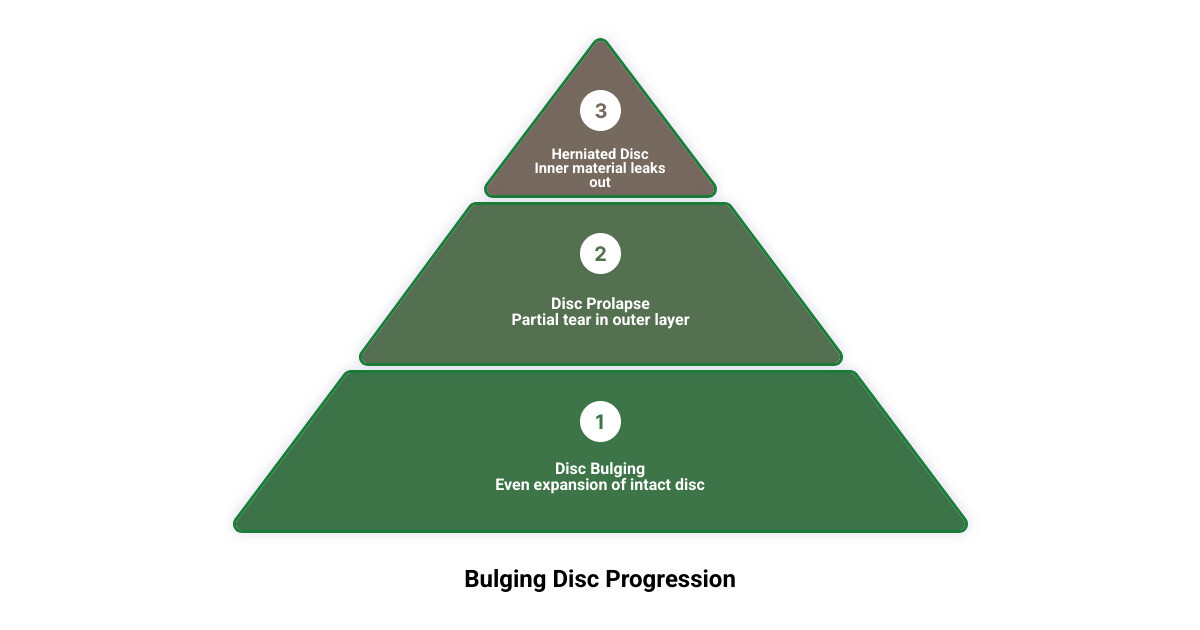
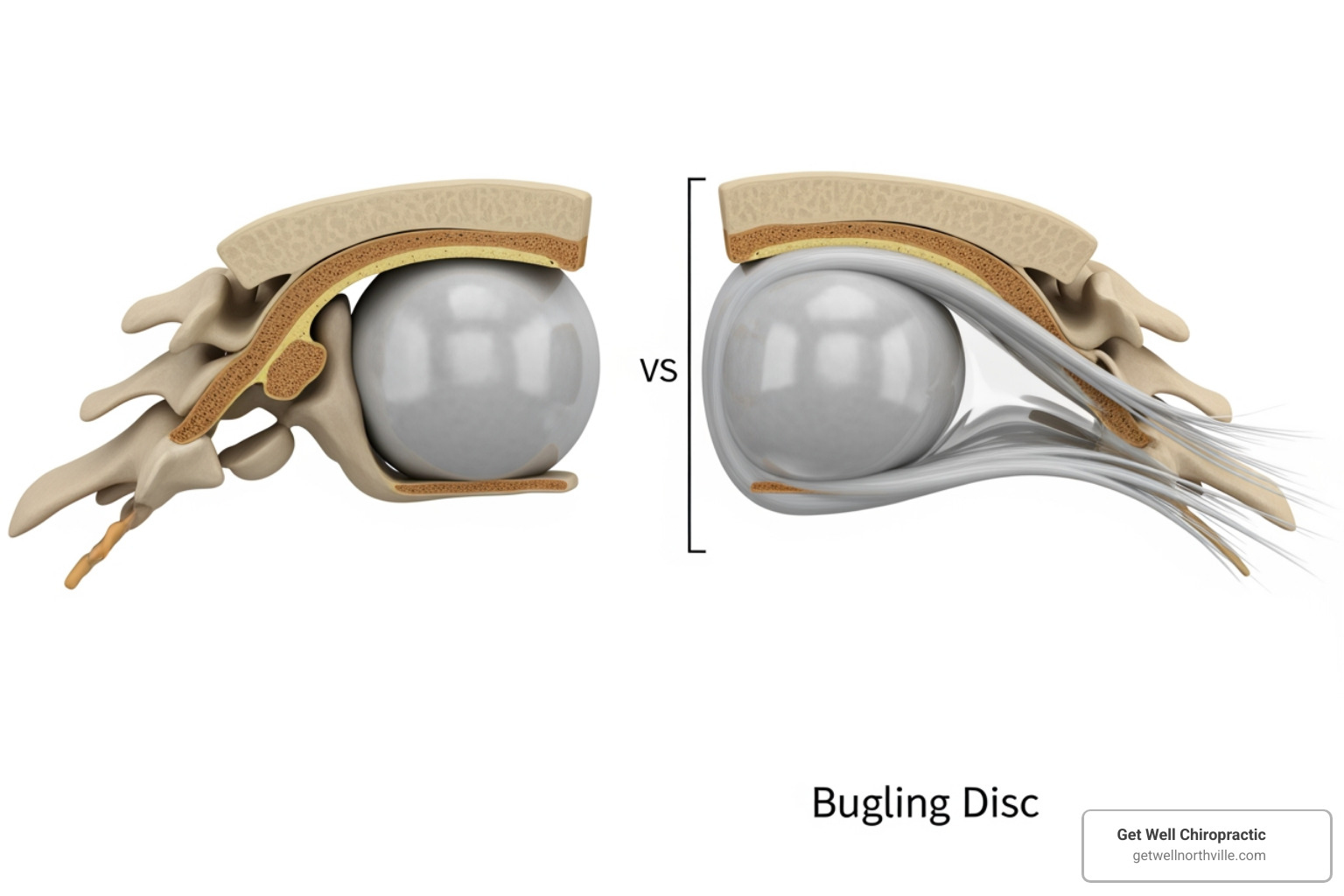
A bulging disc in neck occurs when one of the spongy discs between your neck bones (vertebrae) protrudes outward. It expands beyond its usual boundaries but doesn't necessarily break open. This is different from a herniated disc, where the disc's tough outer layer (annulus fibrosus) tears, and the soft inner material (nucleus pulposus) pushes out.
Here’s a quick overview:
- Bulging Disc: The disc spreads out evenly around its circumference, like a hamburger that's too big for its bun. The outer wall is still intact.
- Herniated Disc: The disc's outer wall has a tear, allowing the inner jelly-like material to push through. This is often more localized and can cause more direct nerve pressure.
- Similarities: Both can lead to neck pain, arm pain, numbness, or tingling if they press on nearby nerves.
Many people experience a bulging disc in their neck at some point. It can cause discomfort, limit your movement, and make everyday tasks a challenge. But understanding what's happening in your body is the first step toward finding relief and getting back to feeling your best.
Understanding a Bulging Disc in the Neck vs. a Herniated Disc
To understand what is happening when you have a bulging disc in neck, we first need to look at the anatomy of your spine. Your neck, or cervical spine, consists of seven small vertebrae (C1 through C7). Between these bones sit intervertebral discs that act as shock absorbers.
These discs have two main parts:
- Annulus Fibrosus: The tough, tire-like outer layer made of cartilaginous fibers.
- Nucleus Pulposus: The soft, gelatinous inner core that provides "bounce" and flexibility.
A bulging disc in neck is often referred to as a "disc prolapse." It happens when the annulus fibrosus weakens and sags, causing the disc to extend into the spinal canal. Because the outer wall remains intact, the pressure is usually more diffuse. In contrast, a herniated disc involves a rupture where the nucleus pulposus leaks out. Dr. William McCormick, a noted neurosurgeon, explains that herniations are typically larger and more likely to cause acute nerve irritation because the inner material is highly inflammatory.
Comparing Characteristics: Bulging vs. Herniated
| Feature | Bulging Disc | Herniated Disc |
|---|---|---|
| Outer Layer (Annulus) | Intact but stretched/sagging | Torn or ruptured |
| Inner Core (Nucleus) | Stays contained within the disc | Leaks out through the tear |
| Onset | Usually gradual (degenerative) | Often sudden (injury or acute strain) |
| Pain Level | Often a dull ache or stiffness | Can be sharp, electric, or intense |
| Nerve Impact | Diffuse pressure | Localized, aggressive compression |
For a deeper dive into the microscopic structure of these discs, you can explore this Scientific research on intervertebral disc anatomy.
Common Symptoms of a Bulging Disc in the Neck
When a disc begins to bulge, it takes up space in the spinal canal. If it makes contact with a nerve root, you may experience "cervical radiculopathy." This is a fancy medical term for nerve irritation in the neck that sends signals elsewhere.
Common signs we see in our Northville office include:
- Radiating Arm Pain: You might feel a "zing" or burning sensation that travels from your neck, down your shoulder, and into your arm or fingers.
- Muscle Weakness: Have you noticed you’re dropping things more often? Or perhaps your grip isn't as strong when opening a jar? This can happen when the nerve supplying the muscle is compressed.
- Numbness and Tingling: Often described as "pins and needles," this sensation usually follows a specific path down the arm depending on which disc is affected (most commonly C5-C6 or C6-C7).
- Shoulder Blade Discomfort: Sometimes the pain isn't in the neck at all, but feels like a deep, nagging ache between the shoulder blades.
- Stiffness: A reduced range of motion, making it hard to check your blind spot while driving.
If you want to understand the clinical nuances of these symptoms, this Cervical radiculopathy clinical review provides excellent professional insight.
When to Seek Professional Evaluation
While many neck aches go away with a little rest, a bulging disc in neck requires a more strategic approach. You should seek a professional evaluation if your pain is persistent or if you notice "red flag" symptoms.
Seek immediate care if you experience:
- Neurological Compromise: Sudden loss of strength in your hands or arms.
- Loss of Coordination: Difficulty with fine motor skills, like buttoning a shirt or handwriting.
- Persistent Headaches: Especially those that start at the base of the skull and radiate forward.
- Heavy Legs: Interestingly, severe neck issues can sometimes affect your gait or make your legs feel heavy or uncoordinated.
At Get Well Chiropractic, we focus on identifying the root cause of these symptoms. If you're curious about how we address these issues without surgery, check out More info about neck decompression therapy methods.
Common Causes and Risk Factors for Cervical Issues
Why do discs bulge? It’s rarely just one thing. It’s usually a combination of "wear and tear" and lifestyle choices.
- Degenerative Disc Disease: As we age, our discs lose water content (dehydration). This makes them less flexible and more prone to sagging.
- Repetitive Strain (Tech Neck): We see this constantly in Northville! Spending hours looking down at a smartphone or slouching at a computer puts immense pressure on the cervical discs. Your head weighs about 10-12 pounds in a neutral position, but leaning forward 60 degrees makes it feel like 60 pounds to your neck!
- Obesity: Carrying extra weight puts more stress on the entire spinal column, including the delicate bones in the neck.
- Smoking: This is a big one. Smoking impairs blood flow to the spinal discs, depriving them of the nutrients they need to stay healthy and repair themselves.
- Genetic Predisposition: Sometimes, you simply inherit a spine that is more prone to early degeneration.
Research suggests that these factors can accelerate cervical degenerative disc disease, making proactive care essential.
Diagnosis and Professional Evaluation
When you visit us with a suspected bulging disc in neck, we don't just guess. We use a systematic approach to find out exactly what’s going on.
The Physical Examination
We start with a thorough history and physical exam. One common test we use is the Spurling Test. We gently extend and rotate your head toward the painful side while applying light pressure. If this reproduces your arm pain, it’s a strong indicator of nerve root compression. We also check your reflexes, muscle strength, and skin sensation.
Imaging and Advanced Testing
- MRI (Magnetic Resonance Imaging): This is the "gold standard" for visualizing soft tissues like discs and nerves. It allows us to see the size and direction of the bulge.
- Electromyography (EMG): This test measures the electrical activity of your muscles. It helps determine if the nerve damage is ongoing or if the nerves are beginning to heal.
For those interested in the formal diagnostic criteria used by specialists, you can review these Scientific guidelines on cervical disc diagnosis.
Non-Surgical Management and Lifestyle Changes
The good news? Approximately 90% of people with disc-related symptoms improve without ever needing surgery. The body has an incredible ability to heal if given the right environment.
Activity Modification
In the acute phase, we recommend avoiding activities that aggravate the pain. This doesn't mean total bed rest (which can actually make things stiffer), but rather avoiding heavy lifting or prolonged overhead work.
Posture Correction
We help our patients set up ergonomic workstations. If you’re working from home in Northville, ensure your monitor is at eye level and your chair supports the natural curve of your spine.
If you are looking for alternatives to invasive procedures, read about the Key advantages of non-surgical spinal decompression therapy and explore More info about affordable neck decompression solutions.
Non-Surgical Relief for a Bulging Disc in the Neck
At Get Well Chiropractic, we specialize in natural, non-invasive ways to help the body recover from a bulging disc in neck.
- Spinal Decompression: This is a game-changer for many. It involves using a specialized table to gently stretch the spine. This creates "negative pressure" within the disc, which can help pull the bulging material back toward the center and away from the nerve.
- Gentle Chiropractic Adjustments: By ensuring the vertebrae are properly aligned, we reduce the uneven mechanical stress on the discs. We use precise, gentle techniques tailored to your comfort level.
- Therapeutic Exercise: Once the acute pain subsides, we teach you specific exercises to strengthen the "deep neck flexors"—the muscles that act as a natural brace for your neck.
You can learn more about how these treatments work together here: Local spinal decompression health benefits.
Diet and Exercise for Long-Term Wellness
What you put in your body matters just as much as how you move it.
- Anti-Inflammatory Nutrition: Chronic inflammation makes nerve pain worse. We recommend a diet rich in Omega-3 fatty acids (found in salmon and walnuts), antioxidants (berries and leafy greens), and turmeric.
- Hydration: Your discs are mostly water! Staying hydrated is essential for maintaining disc height and flexibility.
- Core Strengthening: A strong core isn't just about "six-pack abs." It’s about the muscles that stabilize your entire trunk, which reduces the load on your neck.
For a specific list of what to eat, check out these Nutrient-rich foods for spinal health.
Frequently Asked Questions about Bulging Discs
Can a bulging disc in the neck heal on its own?
Yes! The body has a natural process called "resorption." When disc material is outside its normal space, the body often recognizes it as a foreign object and sends specialized cells to break it down and reabsorb it. Conservative management focuses on managing symptoms while this natural process takes place. You can read more about the Research on the natural course of disc disease.
Is surgery always necessary for a bulging disc?
Absolutely not. In fact, surgery is usually the last resort. We only consider suggesting a surgical consultation if there is progressive muscle weakness, loss of bowel or bladder control, or if pain remains unbearable after several weeks of consistent conservative care. Most of our patients find significant relief through non-surgical decompression solutions.
What exercises should I avoid with a neck disc injury?
While movement is good, some things can make a bulging disc in neck worse:
- High-Impact Sports: Running or jumping can cause jarring forces.
- Heavy Overhead Lifting: Military presses or heavy shoulder shrugs put direct axial load on the cervical discs.
- Excessive "Cracking" of Your Own Neck: Please don't do this! Self-manipulation is often imprecise and can further irritate an unstable disc.
Conclusion
A bulging disc in neck can feel overwhelming, but it doesn't have to define your life. At Get Well Chiropractic in Northville, MI, we are dedicated to helping you find a path to recovery that focuses on natural healing and long-term wellness. Whether it's through advanced spinal decompression, personalized nutrition, or gentle chiropractic care, our goal is to get you back to the activities you love without the need for invasive surgery.
Don't let neck pain hold you back from thriving. If you're ready to take the first step toward a pain-free life, we invite you to Schedule your consultation for spinal decompression therapy with us today. We’re here to provide the honest, compassionate care you deserve.
