Understanding Fibromyalgia and Finding Relief
Fibromyalgia pain relief starts with understanding what you’re dealing with and knowing that effective management is possible. If you’re living with this condition, you already know the daily challenges of widespread pain, exhaustion, and mental fog. The good news? A combination of self-care strategies, professional therapies, and lifestyle changes can help you reclaim your quality of life.
Quick Relief Strategies for Fibromyalgia:
- Gentle Exercise – Low-impact activities like walking, swimming, or tai chi
- Sleep Hygiene – Consistent bedtime routine in a cool, dark, quiet room
- Stress Management – Deep breathing, meditation, and pacing your activities
- Chiropractic Care – Spinal alignment to improve nervous system function
- Therapeutic Massage – Myofascial release to reduce muscle tension
- Talking Therapies – CBT and ACT to retrain your brain’s pain response
Fibromyalgia is a chronic condition that causes widespread pain throughout the body. It affects approximately 4 million adults in the United States, with a prevalence of 2-6.4% of the population. Women are more likely to develop this condition than men.
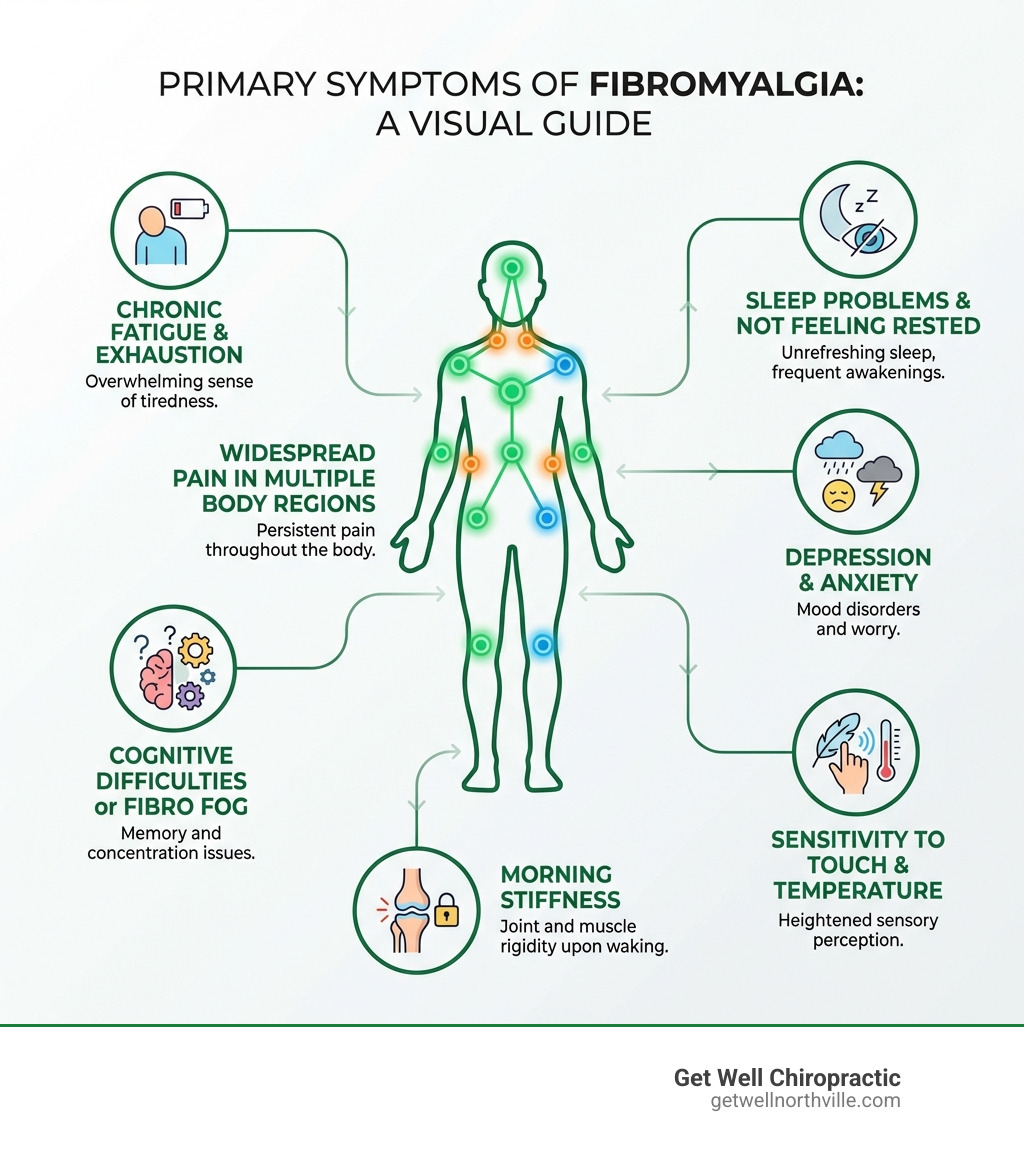
Beyond the persistent pain, people with fibromyalgia often experience severe fatigue, sleep disturbances, and cognitive difficulties sometimes called “fibro fog.” You might also struggle with headaches, digestive issues, or heightened sensitivity to lights, sounds, and temperature changes.
The path to feeling better isn’t about finding one magic solution. It’s about building a personalized toolkit of strategies that work together. Some days will be harder than others, but with the right approach and support, you can manage your symptoms and improve your daily life.
This guide will walk you through evidence-based approaches to fibromyalgia management, from lifestyle changes you can start today to professional therapies that address the root causes of your discomfort.
The Fibromyalgia Puzzle: Causes, Diagnosis, and Your Care Team
Fibromyalgia is a complex condition, and its exact cause isn’t fully understood. However, research suggests that individuals with fibromyalgia experience an increased sensitivity to pain, often due to altered signaling in the neural pathways that transmit and receive pain messages. This means that they can feel pain in situations where others might not, and this heightened sensitivity can also contribute to other symptoms like fatigue, sleep issues, and “fibro fog.”
While there isn’t a single definitive cause, a combination of factors is believed to contribute to the development of fibromyalgia. It often tends to run in families, suggesting a genetic predisposition. Environmental factors also play a role, including:
- Physical trauma: Accidents or injuries.
- Emotional stress: Significant stressful or traumatic events.
- Illnesses: Viral infections or other chronic conditions that cause pain, such as rheumatoid arthritis or lupus, can sometimes trigger fibromyalgia symptoms.
Understanding these potential causes and triggers is the first step toward effective fibromyalgia pain relief. Because fibromyalgia symptoms can overlap with other conditions, accurate diagnosis is crucial. This is where a comprehensive diagnostic process and a multidisciplinary care team become invaluable.
How is Fibromyalgia Diagnosed?
Diagnosing fibromyalgia can sometimes feel like solving a puzzle because there isn’t one simple test. Instead, healthcare professionals piece together information from your symptoms, medical history, and a physical exam. The key diagnostic criteria typically include:
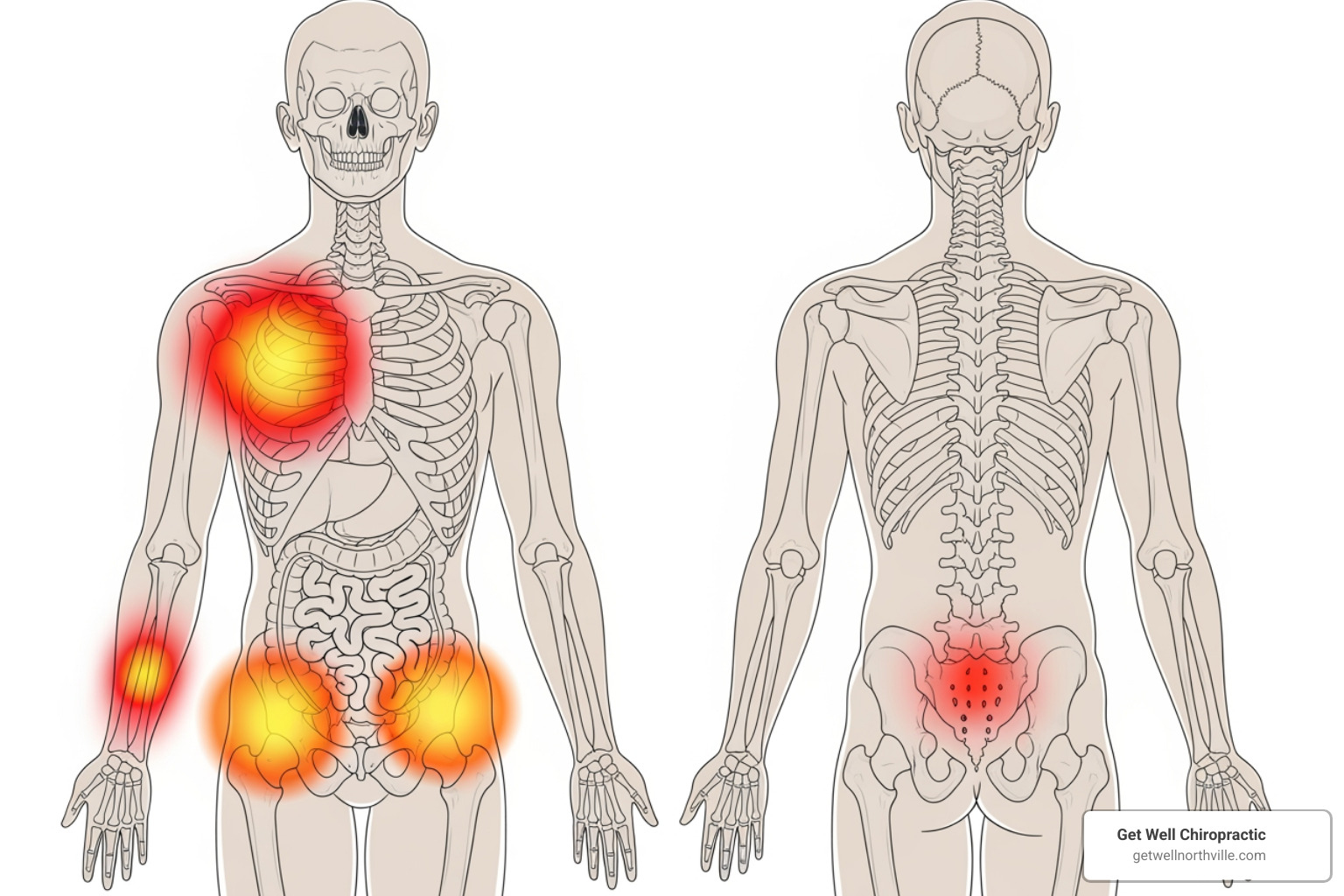
- Widespread pain for at least three months: This pain must be present in at least four of five specific body regions. This widespread nature is a hallmark of fibromyalgia.
- Symptom Severity Scale: Your doctor will assess the severity of your other common symptoms, such as fatigue, unrefreshing sleep, and cognitive problems (fibro fog).
- Absence of other disorders: A crucial part of the diagnosis involves ruling out other conditions that can mimic fibromyalgia symptoms. Blood tests and imaging scans may be used to exclude conditions like rheumatoid arthritis, lupus, or thyroid disorders.
Our goal at Get Well Chiropractic is to ensure you have a clear understanding of your condition. We believe in working collaboratively with your medical doctor to gain the clearest picture of your health.
Why a Team Approach is Crucial
Managing fibromyalgia effectively often requires a holistic and coordinated approach, which is why a multidisciplinary care team is so crucial. No single specialist has all the answers, and combining expertise leads to more comprehensive and personalized treatment plans. This team might include:
- Your primary care physician: To oversee your general health and coordinate care.
- A rheumatologist: A specialist in musculoskeletal diseases, often involved in diagnosis and treatment.
- A physical therapist: To guide you through safe and effective exercise programs.
- A pain management specialist: To explore various pain relief strategies.
- A mental health professional: Such as a psychologist or counselor, to help with coping strategies and managing emotional well-being.
- Chiropractors like us: To address musculoskeletal imbalances and nervous system function, contributing to overall pain reduction and improved mobility.
At Get Well Chiropractic in Northville, MI, we understand that you’re looking for solutions that fit your unique needs. We believe in patient-centered care, which means we work with you and your other healthcare providers to develop a coordinated treatment plan. This integrated approach helps ensure that all aspects of your condition are addressed, leading to better outcomes for your fibromyalgia pain relief. To learn more about how we integrate with your overall health strategy, you can find out more about our integrated services.
Building Your Foundation: Essential Self-Care Strategies
While professional therapies and medical interventions are vital, a significant portion of fibromyalgia pain relief comes from the daily choices you make. We often tell our patients that they are the most important members of their healthcare team! Embracing self-care strategies and making mindful lifestyle changes can empower you to manage your symptoms, reduce flare-ups, and significantly improve your quality of life. This foundation of self-care is about pacing activities, adopting healthy habits, and tuning into your body’s needs.

The Role of Gentle Exercise
It might seem counterintuitive to exercise when you’re in pain, but gentle, consistent movement is one of the most effective strategies for fibromyalgia pain relief. As Dr. Leslie Crofford, M.D., Division Director for Rheumatology and Immunology at Vanderbilt University Medical Center, advises, “It may hurt to move at first, but research shows that gradually increasing exercise can reduce pain.” The key is to “start low and go slow,” gradually building up your activity level without overdoing it.
Regular exercise offers multiple benefits for fibromyalgia patients:
- Reducing pain: Movement helps improve blood flow, flexibility, and muscle strength, which can alleviate chronic pain.
- Improving mood: Physical activity releases endorphins, natural mood boosters, and can help combat depression and anxiety often associated with fibromyalgia.
- Enhancing sleep: Moderate exercise can contribute to more restorative sleep.
We recommend focusing on low-impact aerobic activities and gentle movements that won’t exacerbate your symptoms. Here are some excellent options:
- Tai Chi: This ancient Chinese practice combines slow, flowing movements, deep breathing, and meditation. It’s gentle on the joints and can improve balance, flexibility, and mental well-being.
- Yoga: Various forms of yoga, especially restorative or gentle yoga, can help improve flexibility, strength, and relaxation.
- Biking: Stationary biking or outdoor cycling on flat terrain provides a good cardiovascular workout with minimal impact on joints.
- Walking: A simple yet powerful exercise. Start with short walks and gradually increase duration and pace.
- Water-based movement: Swimming or water aerobics can be particularly beneficial as the buoyancy of the water reduces stress on painful joints.
Remember to always consult with your doctor or a physical therapist before starting any new exercise program, especially if you have fibromyalgia. For more on how exercise can help, consider the insights shared by Leslie Crofford, M.D..
Prioritizing Restorative Sleep
Sleep and pain are deeply intertwined, forming a challenging cycle for many with fibromyalgia. As Daniel Clauw, M.D., Director of the Chronic Pain and Fatigue Research Center, highlights, “In fibromyalgia, fatigue can affect pain, which can worsen fatigue… and the cycle continues. That’s because the same neurotransmitters (which carry messages between the brain and the rest of the body) that control pain also control sleep, mood, and memory.” This crucial link makes prioritizing restorative sleep a non-negotiable step for fibromyalgia pain relief.
Poor sleep can intensify pain, increase fatigue, and worsen cognitive issues. To break this cycle, establishing good sleep hygiene practices is essential:
- Consistent schedule: Go to bed and wake up at the same time every day, even on weekends. This helps regulate your body’s natural sleep-wake cycle.
- Cool, dark, quiet room: Optimize your bedroom environment for sleep. Keep it cool (around 60-67°F or 15-19°C), dark, and free from noise.
- Limit caffeine and alcohol: Avoid caffeine late in the day and limit alcohol consumption, especially before bed, as both can disrupt sleep patterns.
- Avoid screens before bed: The blue light emitted from phones, tablets, and computers can interfere with melatonin production, a hormone essential for sleep. Power down at least an hour before you plan to sleep.
- Reserve your bed for sleep: Try to avoid working, eating, or watching TV in bed to help your brain associate your bed with sleep.
For a deeper dive into the connection between sleep, pain, and other symptoms, you can read more from Daniel Clauw, M.D..
Managing Stress to Reduce Flare-Ups
Stress is a known trigger that can significantly worsen fibromyalgia symptoms, leading to increased pain and fatigue. Effectively managing stress is therefore a vital component of any fibromyalgia pain relief strategy. It’s not about eliminating all stress (which is nearly impossible!), but rather about identifying your stressors and developing healthy coping mechanisms.
Here are some strategies we encourage our patients to explore:
- Identify stressors: Take note of what situations, people, or thoughts tend to increase your stress levels. Awareness is the first step toward managing them.
- Pacing yourself: Fibromyalgia often means you can’t do everything you once could, or in the same way. Pacing involves learning to conserve your energy throughout the day, avoiding overexertion on “good days” that can lead to severe crashes later. As the NCCIH suggests, “Doing too much can make your symptoms worse, so be kind to yourself.”
- Relaxation techniques: These practices can calm your nervous system and reduce the physical tension that often accompanies stress.
- Deep breathing: Simple breathing exercises can quickly reduce stress and promote relaxation. Inhale slowly through your nose, letting your belly rise, then exhale slowly through your mouth.
- Guided imagery/visualizations: Listening to guided meditations that encourage you to imagine peaceful scenes can be very effective.
- Mindfulness: Practicing mindfulness means focusing on the present moment without judgment. This can help you observe stressful thoughts without getting swept away by them.
The National Center for Complementary and Integrative Health (NCCIH) provides valuable information on relaxation techniques that can help. Integrating these techniques into your daily routine can make a profound difference in managing your symptoms and improving your overall well-being.
Professional Therapies for Fibromyalgia Pain Relief
While self-care forms the bedrock of managing fibromyalgia, professional therapies offer targeted interventions that can significantly contribute to fibromyalgia pain relief and improved function. These non-pharmacological treatments focus on addressing physical discomfort, enhancing mobility, and supporting your body’s natural healing processes.
How Chiropractic Care Can Help Manage Symptoms
At Get Well Chiropractic in Northville, MI, we understand the intricate connection between your spine, nervous system, and overall health. For individuals with fibromyalgia, our chiropractic care focuses on optimizing this connection, which can be crucial for managing widespread pain and other symptoms.
Here’s how chiropractic care can help:
- Spinal alignment: Gentle adjustments help ensure your spine is properly aligned. Misalignments (subluxations) can put pressure on nerves and contribute to pain signals throughout the body. By restoring proper alignment, we aim to reduce this interference.
- Nervous system function: Fibromyalgia involves altered pain processing in the nervous system. Chiropractic adjustments can positively influence nervous system function, potentially modulating pain perception and reducing sensitivity.
- Musculoskeletal pain: We address areas of muscle tension, stiffness, and joint immobility that are common in fibromyalgia. By improving joint movement and reducing muscle spasm, we can help alleviate localized and widespread musculoskeletal pain.
- Improved joint mobility: Enhancing the range of motion in your joints can reduce stiffness and make daily activities easier and less painful.
Our approach is designed to complement your overall fibromyalgia management plan, offering a natural and non-invasive path toward feeling better. We also offer advanced therapies like Myofacial Acoustic Compression Therapy, which can target specific areas of muscle tightness and pain. To understand the broader benefits of our services, explore how Chiropractic Adjustment Benefits for Overall Wellness.
The Benefits of Therapeutic Massage
Therapeutic massage is another powerful tool in the arsenal for fibromyalgia pain relief. It works by addressing the muscle tension, stiffness, and discomfort that are characteristic of the condition. At Get Well Chiropractic, our massage therapists are skilled in various techniques to provide targeted relief.
Key benefits of therapeutic massage for fibromyalgia include:
- Myofascial release: This technique targets the fascia, the connective tissue surrounding muscles. Gentle, sustained pressure can help release tightness and restrictions in the fascia, reducing pain and improving flexibility.
- Reducing muscle tension: Massage helps relax tight, painful muscles, which can be a significant source of widespread pain and trigger points in fibromyalgia.
- Improving circulation: Improved blood flow brings oxygen and nutrients to tissues while helping to remove metabolic waste products, which can contribute to muscle soreness.
- Stress reduction: The calming effect of massage can lower stress hormones and promote relaxation, directly impacting a major fibromyalgia trigger.
- Trigger point relief: Fibromyalgia patients often experience tender points or “trigger points.” Massage can help deactivate these points, reducing referred pain and localized tenderness.
If you’re curious about how specific massage techniques can help, you can discover the astonishing benefits of deep tissue massage, which can be adapted to be gentle yet effective for fibromyalgia.
Physical and Occupational Therapy Approaches
Physical and occupational therapies are crucial components of a comprehensive fibromyalgia management plan. While these are typically provided by licensed physical or occupational therapists, understanding their principles can help you integrate their benefits into your wellness journey. These approaches focus on improving your physical capabilities and adapting your environment to reduce strain.
- Improving strength, flexibility, and stamina: Physical therapy helps build strength in weakened muscles, increases joint flexibility, and improves overall endurance, making everyday tasks less challenging.
- Adapting daily activities: Occupational therapy teaches you how to perform daily tasks more efficiently and with less pain. This might involve modifying your work setup, learning new ways to lift objects, or using assistive devices to reduce physical stress on your body.
- Reducing physical stress on the body: By improving body mechanics and teaching energy conservation techniques, these therapies help prevent overuse injuries and minimize pain flare-ups.
At Get Well Chiropractic, we may incorporate elements of physical rehabilitation into your chiropractic care, and we can also discuss how therapies like PEMF Therapy Supports Healing and Pain Relief, which can be a valuable adjunct to these approaches. We believe in providing you with all the tools to manage your condition effectively.
Talking Therapies: Retraining Your Brain’s Response to Pain
Living with chronic pain like fibromyalgia can take a significant toll on your mental and emotional well-being. Talking therapies play a powerful role in fibromyalgia pain relief by helping you change how your brain processes pain signals and how you cope with your condition. These therapies are often provided by licensed psychologists or counselors.
Two prominent talking therapies that have shown effectiveness are:
- Cognitive Behavioral Therapy (CBT): CBT helps you identify and challenge negative thought patterns and behaviors that can worsen pain perception and emotional distress. For example, if you constantly think, “My pain will never get better,” CBT can help you reframe this thought into something more realistic and hopeful, like, “I have tools to manage my pain, and some days will be better than others.” This therapy equips you with practical strategies for managing stress, improving sleep, and pacing activities.
- Acceptance and Commitment Therapy (ACT): ACT focuses on accepting unavoidable pain while committing to actions that align with your values. Instead of fighting the pain, ACT encourages you to live a rich and meaningful life despite the pain. It helps you develop psychological flexibility and reduces the struggle against pain, which can paradoxically reduce its impact.
These therapies don’t make the pain disappear, but they can significantly change your relationship with pain, reduce its perceived intensity, and improve your ability to function and enjoy life. At Get Well Chiropractic, we recognize the importance of mental health support and can provide referrals to trusted mental health professionals in the Northville, MI area if you and your doctor decide this approach is right for you.
Exploring Medical and Complementary Approaches
Managing fibromyalgia is a journey, and often, an integrated treatment plan provides the most comprehensive fibromyalgia pain relief. This involves a thoughtful combination of medical interventions, professional therapies, and complementary approaches. Always remember to consult your medical doctor before starting or changing any treatment, especially when it comes to medications.
Understanding Medications for Fibromyalgia Pain Relief
For many individuals, medication plays a role in managing fibromyalgia symptoms. It’s important to discuss all options with your physician, who can determine the best course of action based on your specific needs and health profile.
Here’s an overview of commonly discussed medications:
- FDA-approved options:
- Duloxetine (Cymbalta): An antidepressant that can help ease pain and fatigue.
- Milnacipran (Savella): Another antidepressant that helps reduce widespread pain and fatigue.
- Pregabalin (Lyrica): An anti-seizure drug that can reduce nerve pain.
- Off-label use: Many other medications are prescribed “off-label” (meaning they are FDA-approved for other conditions but found helpful for fibromyalgia). These often include other antidepressants (like amitriptyline, fluoxetine) and anti-seizure drugs (like gabapentin). These medications work by influencing neurotransmitters in the brain that play a role in pain, sleep, and mood.
- Mechanism of action: These drugs primarily work by altering the levels of certain neurotransmitters (chemical messengers) in the brain, such as serotonin and norepinephrine, which are involved in pain processing, sleep regulation, and mood.
- Opioids are generally not recommended: While often used for severe pain, opioids are typically not recommended for long-term fibromyalgia pain relief due to concerns about side effects, dependence, and their limited effectiveness for chronic widespread pain in this condition.
Always consult your physician before starting or changing any medication. They can explain the potential benefits, side effects, and interactions with other drugs you may be taking.
Complementary Therapies: Mind-Body Approaches
Beyond conventional medical treatments, many people with fibromyalgia find significant fibromyalgia pain relief through complementary mind-body approaches. These therapies often focus on reducing stress, improving body awareness, and promoting relaxation, which can directly impact pain levels.
Here are some popular options:
- Gentle movement practices: As mentioned earlier, practices like Yoga and Tai Chi are excellent.
- Yoga for flexibility: Gentle yoga poses can improve flexibility, reduce stiffness, and strengthen muscles without overstraining the body. The focus on breath and mindfulness also helps calm the nervous system.
- Tai Chi for gentle movement: This low-impact exercise combines slow, deliberate movements with deep breathing and meditation. It’s known to improve balance, reduce stress, and improve overall well-being.
- Massage Therapy Techniques: As discussed, massage can be incredibly beneficial for releasing muscle tension, improving circulation, and reducing pain. You can learn more about specific approaches with Massage Therapy Techniques for Lasting Pain Relief.
- Nutrition: While not a direct “therapy,” paying attention to your diet and incorporating nutritional counseling can significantly support your body’s healing processes and reduce inflammation. At Get Well Chiropractic, we believe in a holistic approach, which is why we also offer insights into how Chiropractic and Nutrition Can Boost Lifestyles.
These complementary therapies can be powerful allies in your journey toward better health. It’s always a good idea to discuss them with your healthcare team to ensure they fit safely into your overall treatment plan.
What’s New in Fibromyalgia Research?
The landscape of fibromyalgia pain relief is continuously evolving, with researchers always seeking better ways to understand and treat this complex condition. Staying informed about the latest advancements can offer hope and new possibilities.
Recent advancements and ongoing studies include:
- New drug developments: Pharmaceutical research continues to explore novel compounds. For instance, the RESILIENT clinical trial (NCT05273749) investigated TNX-102 SL, a new sublingual formulation of cyclobenzaprine, for fibromyalgia. Results showed significant reductions in daily pain and good tolerability. This represents a promising step in developing new pharmacological options. You can find more detailed information on the RESILIENT clinical trial information.
- Understanding underlying mechanisms: Researchers are delving deeper into the neurobiological changes in the brain and nervous system that contribute to fibromyalgia pain, fatigue, and other symptoms. This includes studying brain imaging, genetic factors, and the role of inflammation and immune responses.
- Non-pharmacological innovations: There’s also ongoing research into non-drug treatments, including advanced therapies like transcranial magnetic stimulation (TMS) and various digital health interventions aimed at pain management and symptom reduction.
Major medical institutions like the Mayo Clinic are actively involved in this research. You can explore Mayo Clinic studies to learn more about the cutting-edge work being done to improve the lives of those with fibromyalgia. These advancements offer hope for more effective and personalized treatments in the future.
Conclusion: Taking Control of Your Wellness Journey
Living with fibromyalgia presents unique challenges, but as we’ve explored, there is a wide array of strategies and therapies available to help you find significant fibromyalgia pain relief and improve your quality of life. The most effective approach is often a multi-faceted one, combining self-care, professional support, and a commitment to understanding your body’s needs.
Active patient participation is key. You are not a passive recipient of care; you are an empowered individual capable of making choices that positively impact your health. Accept the journey with hope, knowing that every step you take towards better self-care, consistent therapy, and informed decisions contributes to your overall well-being.
At Get Well Chiropractic in Northville, MI, we are dedicated to providing personalized wellness plans that focus on natural healing and long-term health. Our team is here to offer comfortable, honest, and compassionate service, guiding you through chiropractic care, therapeutic massage, and nutritional insights.
To create a comprehensive strategy for managing your symptoms and taking a proactive role in your wellness journey, explore our approach to Spinal Decompression Therapy. We’re here to help you live better.

