Why Injury Recovery Massage Works When You’re Sidelined by Pain
Injury recovery massage is a science-backed rehabilitation technique that uses mechanical stimulation to accelerate healing, reduce pain, and restore flexibility after soft-tissue injuries. Unlike relaxation massage, it targets specific damaged tissues to improve circulation, break down scar tissue, and support the body’s natural repair processes.
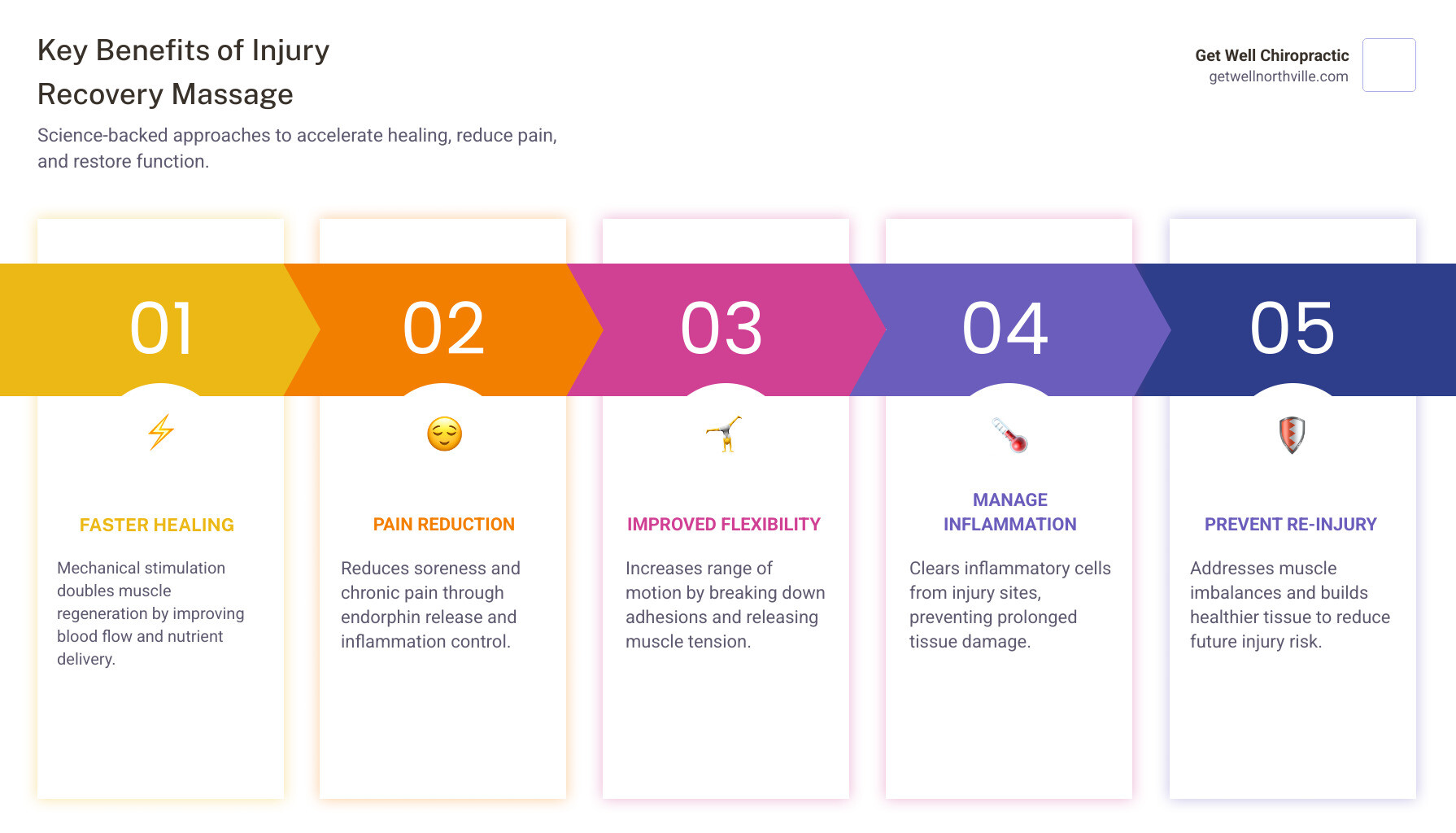
Key Benefits of Injury Recovery Massage:
- Faster Healing – Mechanical stimulation supports muscle regeneration by improving blood flow and nutrient delivery to injured tissues.
- Pain Reduction – Helps reduce delayed onset muscle soreness (DOMS) and chronic pain through endorphin release and better inflammation control.
- Improved Flexibility – Increases range of motion by easing tight muscles and addressing adhesions.
- Inflammation Management – Supports the clearing of inflammatory cells (like neutrophils) from injury sites to prevent prolonged tissue damage.
- Injury Prevention – Addresses muscle imbalances and supports tissue health, helping reduce the risk of re-injury.
If you’ve ever been sidelined by a pulled muscle, sprained ankle, or chronic back pain, you know the frustration. You want to move, but your body won’t cooperate.
Massage isn’t just about feeling good—it can be a powerful rehabilitation tool backed by developing scientific research. Studies on massage-like mechanical forces suggest they can improve muscle regeneration and reduce recovery time. Research from Harvard’s Wyss Institute has shown that mechanical stimulation may help injured muscles recover more efficiently by supporting the clearance of certain inflammation-causing cells from damaged tissue.
Whether you’re an athlete pushing through training or someone dealing with everyday aches, injury recovery massage offers a natural, drug-free path to healing. It works by improving circulation, reducing problematic scar tissue, and supporting your body’s own repair mechanisms—all while helping you manage pain and regain lost mobility.
The Science of Healing: How Massage Accelerates Recovery
When an injury occurs, your body immediately kicks into repair mode. However, this natural process is not always as efficient as it could be, especially for athletes or individuals with active lifestyles. This is where injury recovery massage steps in, working with your body’s inherent healing capabilities to support recovery and strengthen damaged tissues.
At Get Well Chiropractic in Northville, MI, healing goes beyond simply alleviating symptoms. We focus on natural healing and long-term wellness, and massage therapy plays a crucial role in achieving that. The benefits of sports injury massage therapy for rehabilitation are multifaceted, addressing both the physical and physiological aspects of recovery.
One important way massage contributes to better healing is through mechanical stimulation, often referred to as mechanotherapy. Research has shown that gentle, rhythmic pressures, similar to those applied during a massage, can influence tissue regeneration. For instance, a study from the Wyss Institute found that mechanical stimulation improved muscle regeneration and reduced tissue scarring over a period of two weeks. In that research, injured muscles recovered more effectively than untreated muscles.
This process works in part by improving circulation and muscle nutrition. After an injury, muscles need a steady supply of oxygen and nutrients to rebuild. Massage therapy boosts blood flow, delivering more oxygen-rich blood to injured tissues. This improved circulation provides essential building blocks for the body’s self-repair mechanisms.
Massage also helps remove metabolic waste products, like lactic acid, that build up after strenuous exercise or injury. By increasing circulation, injury recovery massage helps the body clear these substances more quickly, which can shorten recovery time between activities and alleviate discomfort.
Furthermore, massage directly impacts inflammation. The Wyss Institute study noted that mechanical loading can help clear certain inflammatory cells (neutrophils) from muscle tissue. While neutrophils are essential initially, their prolonged presence can hinder healing. By helping to clear them at the appropriate time, massage may create a better environment for muscle regeneration and strength recovery, offering a drug-free way to support a healthy inflammatory process.
How Injury Recovery Massage Speeds Up Healing
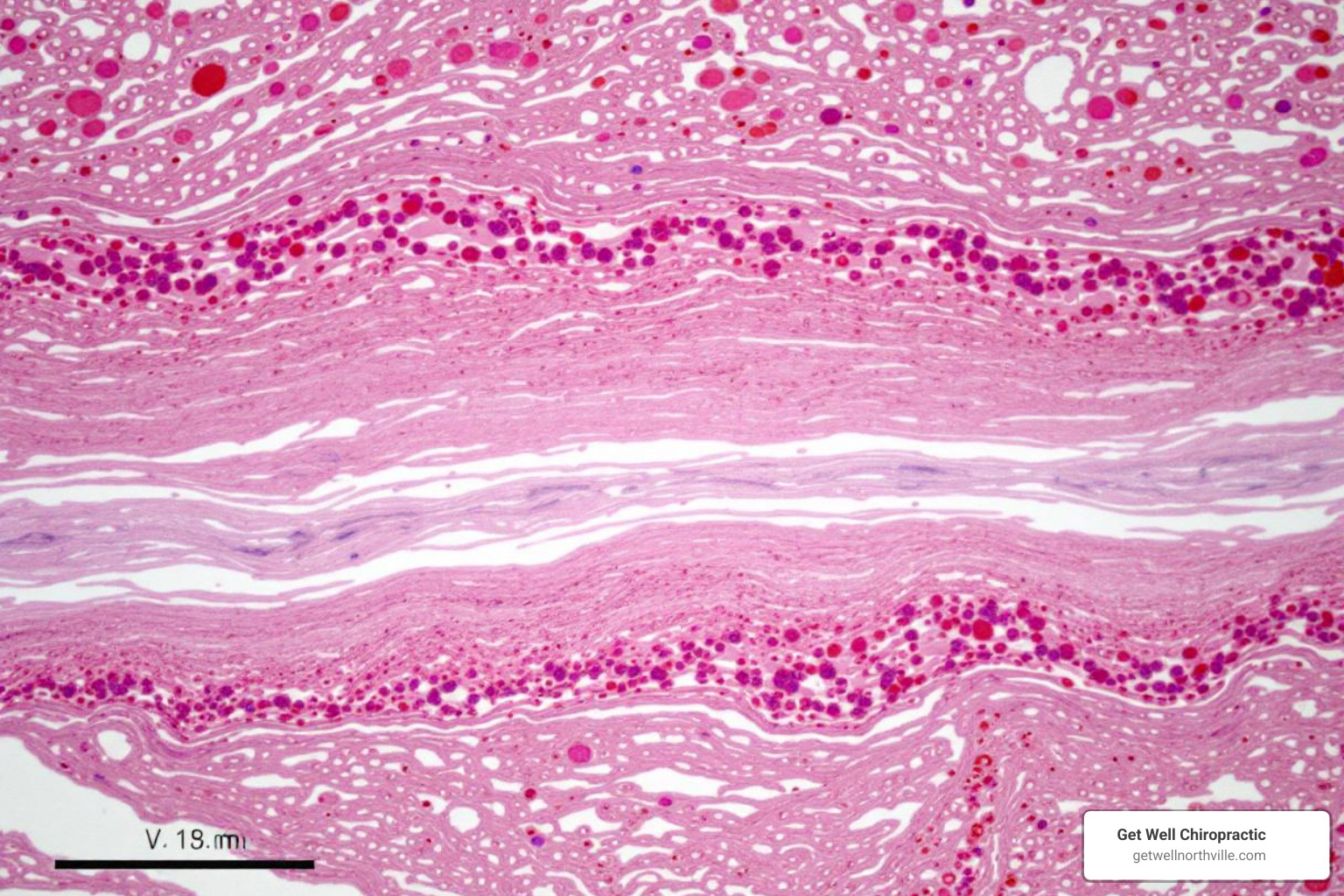
At a cellular level, injury recovery massage initiates a cascade of beneficial responses. It helps modulate immune activity by supporting the timely clearance of inflammatory cells like neutrophils from the injury site once their initial job is done. As the Harvard research indicated, this allows the healing process to move from the inflammatory phase to the regenerative phase more efficiently.
Massage also aids in pain management by prompting the release of endorphins, the body’s natural painkillers, and by reducing stress hormones like cortisol. This not only eases physical discomfort but can also improve mood, which is important for staying engaged in your recovery.
Finally, massage addresses scar tissue and adhesions—bands of tough, fibrous tissue that can restrict movement and cause pain. Specific techniques help remodel these adhesions, supporting better tissue alignment and function, which is essential for a full recovery.
Restoring Flexibility and Preventing Future Injury
Regaining flexibility and preventing future injuries are key goals of rehabilitation. Injury recovery massage can assist in both areas. By warming muscles, stretching tissues, and working on adhesions, massage improves flexibility and range of motion. This can help free up restrictions from a hamstring injury or a stiff joint, making movement easier and more comfortable.
For athletes, regular massage is also a proactive tool to support recovery from training. It helps relax the nervous system and muscles, allowing better adaptation to intense workloads. This can help avoid the fatigue and decreased performance associated with overtraining.
Massage further supports injury prevention by maintaining tissue health. Improved circulation and gentle stretching keep tissues more elastic and less prone to tears. By addressing muscle imbalances and chronic tension, massage can help correct biomechanical issues that might otherwise contribute to injury, so your body moves more efficiently and with less strain.
A Guide to Injury Recovery Massage Techniques
Choosing the right type of injury recovery massage is crucial for effective rehabilitation. Just as injuries vary, so do the techniques best suited to address them. At Get Well Chiropractic, we pride ourselves on providing personalized care, which starts with understanding your specific needs.
Before receiving any injury massage therapy, a personal consultation with a licensed massage therapist is essential. This intake interview is our opportunity to understand your medical history, the nature of your injury, any existing ailments, and your recovery goals. This allows us to determine precautions and recommend the optimal techniques and pressure levels for your situation. We encourage you to disclose all ailments to your massage therapist, ensuring a safe and effective treatment plan.
There are many massage techniques, but some are particularly effective for injury recovery. Here is a quick overview of the key differences and applications:
| Massage Type | Pressure | Primary Techniques | Primary Use for Injury Recovery |
|---|---|---|---|
| Swedish Massage | Light–Medium | Long, flowing strokes (effleurage), kneading (petrissage), gentle friction and tapping | General relaxation, improved circulation, and reduced muscle tension. Ideal for early-stage recovery and managing overall muscle soreness or spasms. |
| Deep Tissue Massage | Medium–Firm | Slower strokes, deeper pressure, cross-fiber friction, myofascial release | Targets chronic muscle tension, scar tissue, and adhesions. Improves range of motion for sub-acute and chronic injuries (for example, hamstring strains, back and neck tightness). |
| Trigger Point Therapy | Firm, localized | Sustained direct pressure on hyperirritable spots (trigger points) | Relieves pain from specific, tight muscle knots. Often combined with other massage types to address referred pain patterns. |
| Sports Massage | Varied, often firm | A combination of Swedish, deep tissue, stretching, and compression techniques custom to an activity | Aids in pre-event warm-up, post-event recovery (helps reduce soreness), injury prevention, and rehabilitation for athletes and active individuals. |
Swedish Massage for General Recovery
Swedish massage is a well-known technique ideal for general recovery, especially in the early stages of an injury. It uses long, flowing strokes like effleurage (gliding) and petrissage (kneading) to improve circulation, deliver nutrients to healing tissues, and reduce overall muscle tension. While gentler than deep tissue massage, it is effective for easing muscle spasms and discomfort, providing a relaxing start to the healing process.
Deep Tissue Therapy for Stubborn Pain
For chronic pain, tightness, and stubborn knots, deep tissue massage can be especially helpful. It uses slower strokes and deeper pressure than Swedish massage to target the deeper layers of muscle and fascia. This technique is effective for addressing scar tissue and adhesions that restrict movement and cause pain. It is often used for conditions like:
- Hamstring injuries: Helps remodel scar tissue and restore flexibility.
- Back and neck spasms: Targets underlying tension to provide relief and improve mobility.
- Some types of nerve irritation: Can reduce pressure on nerves caused by tight muscles.
Deep tissue massage is best for sub-acute and chronic issues, not very recent injuries. Our therapists at Get Well Chiropractic prioritize your comfort and safety. Learn more in our articles on How Deep Tissue Massage Enhances Muscle Recovery and Discover The Astonishing Benefits Of Deep Tissue Massage.
Sports Massage for Athletic Performance
Sports massage is a specialized form of injury recovery massage custom to athletes and active people. It combines various techniques, including stretching and compression, to target muscles overused in a specific sport or activity. It is a valuable tool for performance and injury prevention, not just for treating injuries. Applications include:
- Pre-event preparation: Warms up muscles and can provide psychological benefits before competition.
- Post-event recovery: Helps reduce Delayed Onset Muscle Soreness (DOMS), supports the flushing of metabolic waste, and improves blood flow for muscle repair. A meta-analysis in the British Journal of Sports Medicine found that massage can improve flexibility and reduce DOMS.
- Maintenance massage: Helps prevent over-training by relaxing muscles and the nervous system. It also addresses muscle imbalances before they develop into injuries.
Many athletes consider sports massage an important part of their training and recovery plans. Whether you are a weekend warrior or a competitive athlete, it can be a cornerstone of your overall recovery strategy.
Common Applications: When to Use Massage for Injuries
Massage therapy is a versatile tool for a wide range of soft-tissue injuries, muscle imbalances, and chronic pain conditions. At Get Well Chiropractic, we use injury recovery massage for issues that come from both sudden trauma and repetitive strain.

Common soft-tissue injuries we address include:
- Muscle strains (pulled muscles): Massage helps manage pain, reduce swelling, and support proper healing of muscle fibers.
- Ligament sprains: While avoiding direct pressure on the acute injury site, massaging surrounding muscles can reduce swelling and compensatory tightness.
- Tendonitis: For conditions like Achilles tendonitis, massage can release tension in the associated muscles, support circulation, and aid tendon repair.
- Overuse syndromes: Massage helps interrupt the cycle of chronic irritation from repetitive movements, working to restore balance and function.
Specific Injuries Treated with Injury Recovery Massage
Injury recovery massage can be helpful for a broad range of conditions that cause pain and dysfunction. Common examples include:
- Rotator cuff issues: Releases tension in the shoulder and upper back to support circulation and restore range of motion.
- Plantar fasciitis: Deep tissue work on the calf and plantar fascia can reduce tension and improve flexibility.
- Tennis elbow (lateral epicondylitis): Targets forearm muscles to release tightness and reduce strain on the elbow tendon.
- Shin splints: Focused work on lower leg muscles helps ease tension and discomfort.
- Iliotibial (IT) band friction syndrome: Massage along the IT band and surrounding muscles can reduce tightness and friction.
- Chronic low back pain: Reduces muscle spasms, improves flexibility, and eases discomfort, especially when combined with targeted exercise.
- Back and neck spasms: Provides relief by relaxing tight muscles and increasing blood flow.
Specialized Uses: Burns, Broken Bones, and Beyond
The benefits of massage extend beyond common muscle and joint pain to more complex recovery scenarios.
- Burn rehabilitation: For burn patients, appropriately applied massage can reduce itching, improve skin pliability, and lessen the tightness of scar tissue, which may lead to better functional outcomes. Some studies have also noted benefits for mood and stress during the recovery process.
- Broken bones: While massage does not directly heal the bone itself, it is crucial for post-cast recovery. It helps reduce stiffness, improve mobility in surrounding joints, and stimulate atrophied muscles by increasing circulation, preparing them for physical therapy and strengthening.
The science of mechanotherapy suggests that carefully applied mechanical forces can have a meaningful impact on the body’s ability to regenerate various tissues, including bone, tendon, and skin.
Frequently Asked Questions about Injury Recovery Massage
We often get questions from our clients in Northville, MI about how injury recovery massage fits into their healing journey. Here are some of the most common ones we hear.
How soon after an injury can I get a massage?
This is an important question, and the answer depends heavily on whether your injury is acute or chronic.
-
Acute injuries (first 48–72 hours): For a new injury like a sprain or strain, the RICE protocol (Rest, Ice, Compression, Elevation) is usually best. Direct, deep massage on the injured area should be avoided during this inflammatory phase, as it can aggravate the condition. However, gentle massage around the injury can sometimes help with comfort and circulation. Always consult a healthcare professional first.
-
Chronic injuries (weeks to months): For lingering aches and stiffness, deep tissue and focused massage can be highly appropriate and effective. At this stage, massage may help address scar tissue, release chronic tension, and support function. We often recommend a series of sessions followed by periodic maintenance treatments to help prevent recurrence.
Will the massage be painful?
It is important to distinguish between “good pain” and “bad pain.” During an injury recovery massage, especially with deeper work, you may feel some discomfort often described as a “good pain”—a deep ache or sense of release. This usually indicates the therapist is working on tight or restricted areas. However, it should never be sharp, burning, or unbearable.
Communication is key. Always tell your therapist if the pressure is too intense. Our skilled therapists at Get Well Chiropractic will adjust their technique to ensure the session is therapeutic and appropriate for your condition.
How does massage fit with chiropractic care?
At Get Well Chiropractic, we believe in a multidisciplinary approach. Massage therapy and chiropractic care are highly complementary, working together to optimize your healing. Our chiropractors focus on spinal alignment and nervous system health, while our massage therapists address the soft tissues (muscles, tendons, fascia) that support your skeleton.
Here is how they work together:
- Preparing for adjustments: Massage relaxes tight muscles, making chiropractic adjustments more comfortable and often more effective.
- Supporting joint mobility: Releasing muscle tension with massage improves joint mobility and supports the benefits of chiropractic care.
- Addressing soft-tissue components: While chiropractic care aligns the skeleton, massage directly treats muscle spasms, trigger points, and fascial restrictions that contribute to pain.
- Comprehensive pain management: Combining both therapies can provide more complete and lasting pain relief.
- Rehabilitation support: As part of a broader rehabilitation team, massage therapists can collaborate with physicians, chiropractors, and physical therapists to create a cohesive treatment plan. The role of massage in sports rehabilitation is well-documented, with therapists working to complement the goals of other healthcare providers.
By integrating injury recovery massage with chiropractic care, we offer a holistic approach that targets both the structural and muscular contributors to your pain and dysfunction, supporting a more effective and lasting recovery.
Conclusion: Take Control of Your Healing Journey
Being sidelined by an injury is never easy, but with the right approach, you can support your recovery and regain control of your health. Injury recovery massage is more than just a luxury; it is a hands-on therapy that actively participates in your healing process.
We have explored how massage can be your “secret weapon,” from boosting circulation and helping flush waste products to supporting immune responses and working on stubborn scar tissue. It is a valuable tool for natural pain relief, restoring lost flexibility, and helping prevent future injuries. Whether you are recovering from a sports injury, dealing with chronic back pain, or rehabilitating after a period of immobilization, the potential benefits are significant.
At Get Well Chiropractic in Northville, MI, our comfortable, honest, and compassionate service is focused on natural healing and long-term wellness. We believe in empowering you to take control of your healing journey with personalized care. Our expert team is ready to guide you through the process, ensuring you receive the most appropriate massage techniques for your specific needs.
Do not let pain and limited mobility keep you from living your best life.
Book your personalized injury recovery massage consultation in Northville, MI today and find how we can help you heal, feel better, and move with more confidence.

