Why Athletes Are Turning to Deep Tissue Massage for Recovery and Performance
Deep tissue massage for athletes has become a cornerstone of modern sports recovery, helping athletes reduce muscle soreness, prevent injuries, and improve performance. This specialized technique targets the deeper layers of muscle tissue and fascia to address chronic tension, break down adhesions, and promote faster healing after intense training or competition.
Key Benefits of Deep Tissue Massage for Athletes:
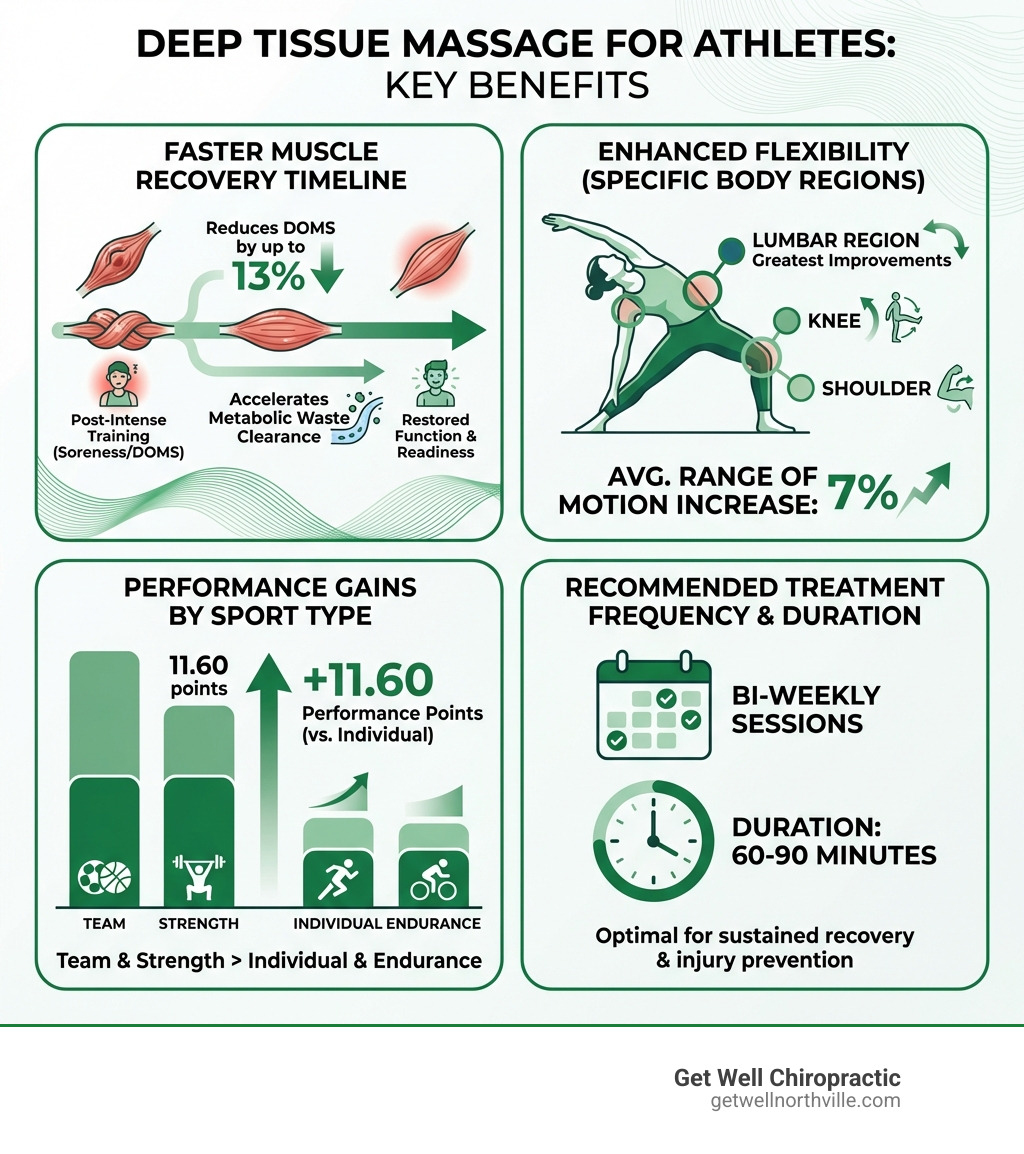
- Faster Recovery – Reduces delayed onset muscle soreness (DOMS) by up to 13% and helps clear metabolic waste
- Improved Flexibility – Increases range of motion by an average of 7%, with the greatest improvements in the lumbar region, knees, and shoulders
- Improved Performance – Team and strength athletes show the most significant gains, with performance improvements of 11.60 points over individual athletes
- Reduced Inflammation – Lowers circulating creatine kinase (CK) and interleukin-6 (IL-6) concentrations, markers of muscle damage and inflammation
- Injury Prevention – Addresses muscle imbalances and chronic tension before they lead to more serious problems
- Optimal Frequency – Bi-weekly sessions show better recovery outcomes than weekly or monthly treatments
As it is said, “Practice makes a person perfect,” but excessive practice can have adverse effects too. Athletes constantly push their bodies to the limit, leading to muscle soreness, stiffness, and the risk of potential injuries. Whether you’re a professional athlete or a fitness enthusiast, understanding how deep tissue massage works and how to incorporate it into your training routine can make the difference between good and great performance.
This guide breaks down everything you need to know about deep tissue massage for athletes—from the science behind how it works to finding the right therapist and integrating it into your recovery plan.
Understanding Deep Tissue Massage: More Than Just Pressure
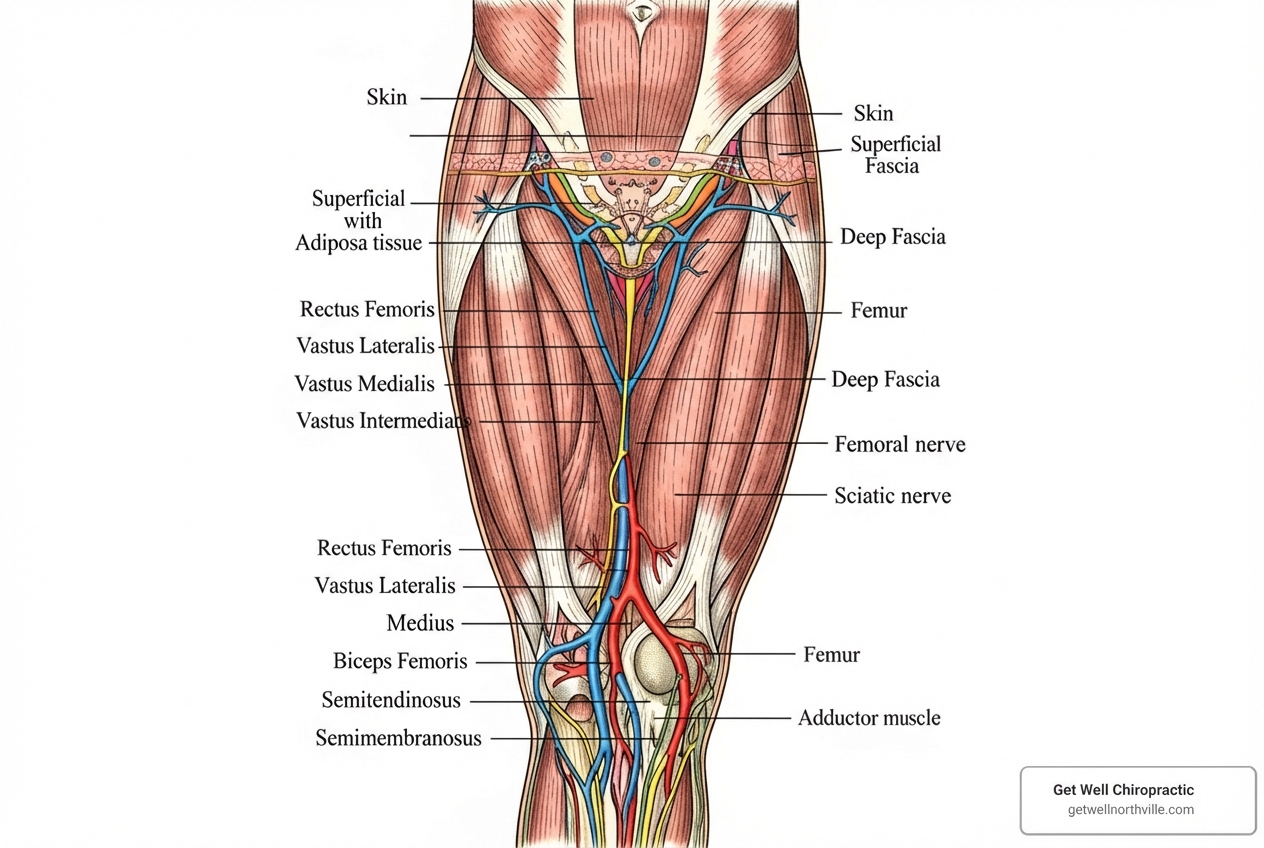
When we talk about deep tissue massage, we’re not just referring to a firm rub-down. This is a highly specific therapeutic technique designed to reach beyond the superficial muscle layers, diving deep into the muscle belly and the connective tissues surrounding them. Imagine your muscles as a finely woven mix; sometimes, threads get knotted, pulled, or stuck together. Deep tissue massage aims to untangle these knots.
This technique primarily focuses on addressing chronic muscle tension, tightness, and what we call “adhesions.” Adhesions are bands of rigid, painful muscle tissue that can form over time due to injury, overuse, or poor posture. These adhesions can restrict movement, cause pain, and hinder proper muscle function. A skilled deep tissue therapist uses slow, deliberate strokes, direct deep pressure, and friction applied across the grain of the muscle to break down these adhesions and scar tissue, effectively releasing the tension and restoring more fluid movement.
We’ve seen how deep tissue massage can help muscles receive oxygen and recover more quickly, easing chronic pain and stiffness that can plague athletes. The intense pressure, while sometimes uncomfortable, is crucial for stimulating mechanoreceptors, which are sensory receptors that respond to mechanical pressure or distortion. This stimulation signals the central nervous system to release neurotransmitters like serotonin and dopamine, contributing to relaxation and pain relief.
Deep tissue massage is distinct from other massage modalities. Let’s look at how it compares to its close cousin, sports massage, and the more generalized Swedish massage.
| Feature | Deep Tissue Massage | Sports Massage | Swedish Massage |
|---|---|---|---|
| Pressure | Intense, firm, slow strokes | Medium to firm, varies based on need | Light to medium, gentle strokes |
| Technique | Deep finger pressure, friction, elbow movements, sustained pressure | Kneading, effleurage, petrissage, tapotement, stretching, percussion | Long gliding strokes, kneading, circular movements, tapping, vibration |
| Primary Goals | Release chronic muscle tension, break down adhesions, pain relief, restore normal movement | Improve performance, prevent injuries, speed recovery, treat specific muscle groups | Relaxation, stress reduction, improve circulation, general well-being |
| Focus Area | Deeper muscle layers and fascia, chronic problem areas | Specific muscle groups relevant to the athlete’s sport, pre/post-event | Superficial muscle layers, whole body for relaxation |
| Intensity | Can be uncomfortable, aims to release deep-seated issues | Targeted and therapeutic, may involve some discomfort | Generally comfortable and soothing |
How It Differs from Sports Massage
While sports massage often incorporates deep tissue techniques, there are key differences in their overarching goals and application. We understand that this can sometimes be confusing, but thinking about it this way can help:
Deep tissue massage typically focuses on chronic patterns of tension and deeper musculoskeletal issues. It’s about addressing the root causes of pain and restricted movement that have built up over time. It’s less about preparing for an immediate event or recovering from a single workout and more about long-term structural changes within the body’s soft tissues. As such, deep tissue massage often involves deeper, more sustained pressure to address myofascial restrictions and trigger points.
Sports massage, on the other hand, is generally more custom to an athlete’s specific sport and current training cycle. It can be applied pre-event to warm up muscles and increase circulation, or post-event to aid recovery, flush out metabolic waste, and reduce soreness. While it might use deep tissue techniques for specific problem areas, it also incorporates other methods like stretching, percussion, and lighter strokes to optimize muscle function for performance or to accelerate recovery from a recent exertion. It’s a more dynamic and adaptable approach.
Sports massage is a broader category that can use deep tissue techniques, but its primary purpose is directly linked to athletic performance and recovery cycles. Deep tissue massage, while highly beneficial for athletes, can also be a standalone treatment for anyone experiencing chronic muscle pain, regardless of athletic involvement. For a deeper dive into what deep tissue massage entails, you can refer to insights on What is deep tissue massage?.
The Proven Benefits of Deep Tissue Massage for Athletes
For athletes, pushing the limits is part of the game. But what happens when those limits push back? That’s where deep tissue massage for athletes truly shines. It’s not just about feeling good; it’s about tangible benefits that translate into better performance, quicker recovery, and a reduced risk of injury. We’ve seen in Northville, MI, how this modality can transform an athlete’s physical well-being.
Our research indicates that deep tissue massage contributes significantly to muscle recovery, performance improvement, injury prevention, and pain relief. By increasing blood flow to the targeted areas, it helps deliver essential nutrients and oxygen while flushing out metabolic byproducts that contribute to soreness and fatigue.
Accelerating Muscle Recovery and Reducing Soreness
One of the most immediate and appreciated benefits of deep tissue massage is its ability to tackle Delayed Onset Muscle Soreness (DOMS). That familiar ache that sets in 24-72 hours after an intense workout? That’s DOMS, and it’s caused by microscopic tears in muscle fibers and subsequent inflammation. Our systematic review and meta-analysis of scientific evidence show that massage is associated with a statistically significant 13% improvement in measures of DOMS after exercise. This is a game-changer for athletes needing to bounce back quickly.
How does it work? Deep tissue massage helps reduce inflammation by attenuating inflammatory signaling after exercise-induced muscle damage. Studies have shown that massage therapy can lower circulating creatine kinase (CK) and interleukin-6 (IL-6) concentrations, which are key markers of muscle damage and inflammation. By stimulating blood flow and improving lymphatic drainage, deep tissue massage aids in clearing metabolic waste products like lactic acid from tired muscles. This process not only reduces soreness but also accelerates cellular repair, getting your muscles ready for the next challenge faster.
For optimal recovery, research suggests that incorporating bi-weekly massage sessions can lead to better recovery outcomes. This consistent approach helps manage muscle fatigue and maintain the body in peak condition, allowing for sustained high-level training.
Enhancing Flexibility, Strength, and Overall Performance
Beyond just recovery, deep tissue massage plays a crucial role in enhancing an athlete’s physical capabilities. It’s not just about feeling less sore; it’s about moving better, stronger, and more efficiently.
-
Improved Range of Motion and Flexibility: By releasing chronic tension and breaking down adhesions in the muscle and connective tissue, deep tissue massage significantly improves flexibility and range of motion. Our research indicates that massage can increase flexibility scores by an average of 7%. Furthermore, participants receiving massage therapy for longer periods reported even greater improvements in flexibility. We’ve observed that specific areas like the lumbar region, knee, and shoulder showed the biggest benefits in terms of increased flexibility (144 participants for lumbar flexibility, 116 for knee, and 98 for shoulder). This improved flexibility is vital for preventing injuries and executing movements with greater power and control.
-
Muscle Strength Gains: While the direct effect of massage on immediate strength performance can be inconsistent across studies, the ability of deep tissue massage to improve muscle health and joint mobility contributes indirectly but powerfully to strength gains. By ensuring muscles are free from restrictive adhesions and operating at their optimal length, athletes can engage more muscle fibers effectively during strength training. Our findings highlight that the intervention showed improvement in muscle strength and flexibility, especially in the lumbar region, knee, and shoulder, focusing on the effects of the massage protocol in joint mobility and function. For instance, 134 participants showed increased strength through Manual Muscle Testing (MMT) in the lumbar region.
-
Overall Performance Improvement: The cumulative effect of reduced soreness, increased flexibility, and improved muscle function directly translates to better athletic performance. Team and strength athletes, in particular, showed the greatest performance improvement in relevant studies. Team sports athletes had a mean performance difference of +11.60 (p = 0.003) compared to individual athletes, and +8.40 (p = 0.032) compared to endurance athletes. Strength athletes also outperformed individual athletes in performance development (mean difference of -8.00, p = 0.042). This suggests that for sports demanding explosive power, repetitive movements, and collaborative effort, regular deep tissue massage can be a significant advantage.
Who Benefits Most from deep tissue massage for athletes?
While any athlete can benefit from the therapeutic effects of deep tissue massage, certain types of athletes and sports are particularly well-suited to reap its rewards:
-
Team Sports Athletes: Football, basketball, soccer, and other team sports involve frequent bursts of intense activity, sudden changes in direction, and physical contact. This leads to high levels of muscle fatigue and a greater risk of various strains and sprains. Deep tissue massage for athletes in these disciplines helps manage overall muscle load, prevent chronic tightness, and accelerate recovery between games and practices. Our research supports this, showing that team athletes consistently experienced significant performance improvements.
-
Strength Athletes: Weightlifters, bodybuilders, and powerlifters put immense stress on their muscles and connective tissues. The repetitive, high-load movements can lead to deep-seated knots and adhesions. Deep tissue massage is invaluable for these athletes in maintaining muscle integrity, improving range of motion for lifts, and speeding recovery from intense training cycles. Statistics confirm that strength athletes showed substantial performance development compared to individual athletes.
-
Endurance Athletes: Runners, cyclists, and swimmers, while not showing the highest performance gains in our reviewed study compared to team or strength athletes, still experience continuous muscle stress and overuse. For a runner, for example, chronic tightness in the hamstrings, calves, or IT band can lead to issues like shin splints or runner’s knee. Deep tissue massage can help release these chronic tensions, improve blood flow to working muscles, and maintain optimal flexibility crucial for long-duration activities.
-
Athletes with Chronic Muscle Tension or Overuse Injuries: Any athlete dealing with persistent stiffness, limited mobility, or recurring pain from repetitive motions (e.g., a swimmer with shoulder issues, a tennis player with elbow pain, or a golfer with back stiffness) will find significant relief and long-term benefit from targeted deep tissue work.
Essentially, if your sport demands high levels of muscular effort, involves repetitive movements, or leads to chronic muscle tightness, then incorporating deep tissue massage for athletes into your routine is a smart strategic move.
Integrating DTM into Your Training and Recovery Plan
Knowing the benefits of deep tissue massage for athletes is one thing; effectively weaving it into your demanding training schedule is another. We believe in a holistic approach, ensuring that your recovery is as strategic as your training.
Integrating deep tissue massage effectively means understanding its role within your broader training cycles. It’s not just a quick fix, but a proactive component of your long-term wellness and performance strategy.
Recommended Frequency, Timing, and Duration
The “sweet spot” for deep tissue massage frequency and timing can vary based on your training intensity, sport, and individual response. However, we have some general guidelines based on our expertise and current research:
-
Off-Season vs. In-Season: During the off-season, when training might be focused on building strength or correcting imbalances, more frequent deep tissue sessions (e.g., bi-weekly) can be highly beneficial for addressing chronic issues and preparing the body for the upcoming season. During the intense in-season, maintenance sessions (e.g., monthly or as needed) might be more appropriate to support recovery without overstressing the body.
-
Post-Event Recovery: For optimal recovery, especially after intense competitions or particularly strenuous training days, we recommend receiving a deep tissue massage within 24-48 hours post-event. This timing is crucial for reducing Delayed Onset Muscle Soreness (DOMS) and facilitating the removal of metabolic waste products.
-
Bi-Weekly for Maintenance: Our insights from recent studies highlight that bi-weekly massage sessions showed better recovery outcomes than other frequencies. This suggests a consistent, regular schedule can be more effective for ongoing muscle fatigue management and overall recovery.
-
Session Duration: Most deep tissue massage sessions typically last between 60 to 90 minutes. Longer sessions tend to be more effective for increasing flexibility, as they allow the therapist sufficient time to work thoroughly on deeper muscle layers and fascia. Always communicate with your therapist about your needs and tolerance during the session.
Listening to your body is paramount. What works best for one athlete might not be ideal for another. We encourage open communication with your massage therapist to tailor a plan that aligns with your specific training demands and recovery needs.
Potential Risks and Contraindications for deep tissue massage for athletes
While deep tissue massage for athletes offers incredible benefits, it’s not always appropriate for everyone or every situation. We prioritize your safety and well-being above all else. It’s crucial to be aware of potential risks and contraindications, and always consult with a healthcare professional, like our team at Get Well Chiropractic in Northville, MI, before starting any new therapy, especially if you have existing health concerns.
Here are some conditions where deep tissue massage should be avoided or approached with extreme caution:
- Acute Injuries: If you have a recent sprain, strain, or muscle tear, deep tissue massage might exacerbate the injury. We need to allow the initial inflammatory phase to subside.
- Open Wounds or Skin Infections: To prevent infection and irritation, massage should not be performed directly over open wounds, cuts, rashes, or any skin infections.
- Blood Clots (Deep Vein Thrombosis – DVT): This is a serious contraindication. Massaging an area with a blood clot can dislodge it, leading to a life-threatening embolism. If you have a history of DVT or suspect a clot, seek immediate medical attention.
- Infections: Any systemic infection or fever means your body is already working hard to fight off illness. Massage could potentially spread the infection or worsen your condition.
- Recent Surgery: Depending on the type and location of surgery, deep tissue massage may be contraindicated until fully healed and cleared by your surgeon.
- Severe Pain or Inflammation: While deep tissue massage can relieve chronic pain, intense acute pain or localized inflammation (e.g., from bursitis or tendonitis) might require a gentler approach or alternative treatments initially.
- Certain Medical Conditions: Individuals with conditions like osteoporosis, certain types of cancer (especially if it has spread to the bones), uncontrolled high blood pressure, or some neurological disorders should always consult their physician before receiving deep tissue massage.
It’s important to distinguish between “good pain” and “bad pain” during a deep tissue session. “Good pain” is typically a deep, satisfying ache that indicates the release of tension, often followed by relief. “Bad pain” is sharp, shooting, burning, or unbearable, and should always be communicated immediately to your therapist. We encourage our patients to speak up if anything feels truly painful.
Finally, remember the golden rule post-massage: hydrate, hydrate, hydrate! Drinking plenty of water helps flush out the toxins released from your muscles during the session, minimizing any post-massage soreness and maximizing the benefits.
Finding the Right Professional for Your Needs
The effectiveness of deep tissue massage for athletes hinges significantly on the skill and knowledge of the therapist. It’s not just about applying pressure; it’s about understanding the intricate mechanics of the human body, especially how it performs under athletic stress. When seeking deep tissue massage in Northville, MI, or anywhere in Michigan, finding a qualified professional is paramount.
We always recommend looking for a Licensed Massage Therapist (LMT) who has undergone rigorous training. Beyond basic certification, specialized credentials and experience with athletes are key indicators of a therapist who truly understands your needs. They should possess an in-depth knowledge of anatomy, kinesiology (the study of body movement), and common athletic injuries. This expertise allows them to accurately identify problem areas, apply appropriate techniques, and ensure your safety.
What to Look for in a Qualified deep tissue massage for athletes Therapist
Choosing the right therapist is a personal decision, but here are some essential qualities and questions to consider:
- Specialization in Sports Massage or Deep Tissue: Look for therapists who explicitly state their expertise in sports massage or deep tissue techniques. This indicates they have additional training and experience working with the unique demands of an athlete’s body.
- Experience with Athletes: Ask about their experience working with athletes in your specific sport or similar disciplines. A therapist who regularly works with runners will understand the common issues affecting a runner’s legs and hips, for example.
- Positive Reviews and Referrals: Check online reviews or ask for referrals from other athletes or coaches. A strong reputation often speaks volumes about a therapist’s effectiveness and professionalism.
- Strong Communication Skills: A good therapist should be an excellent communicator. They should explain what they’re doing, why, and what you can expect. Crucially, they should listen attentively to your feedback regarding pressure, comfort, and areas of concern.
- Thorough Health History Intake: Before the first session, a qualified therapist will conduct a detailed health history intake. This includes questions about your athletic activities, training regimen, past injuries, current pain, and any medical conditions. This information is vital for customizing the session and ensuring your safety.
- Customizes the Session: The best therapists don’t follow a one-size-fits-all approach. They should be able to adapt their techniques and focus areas based on your current physical state, recent training, upcoming events, and specific problem areas. A personalized approach ensures that the massage is maximally beneficial for your unique athletic journey.
- Understands “Good Pain” vs. “Bad Pain”: As mentioned earlier, a skilled therapist will guide you through the session, encouraging you to communicate your comfort levels, especially when working on deeper tissues. They should be able to differentiate between therapeutic discomfort and potentially harmful pain.
At Get Well Chiropractic in Northville, MI, our team includes professionals who understand the intricate needs of athletes. We believe in providing comfortable, honest, and compassionate service focused on natural healing and long-term wellness, ensuring that you receive the most effective and appropriate care.
Conclusion
For athletes, the pursuit of excellence is a continuous journey that demands not only rigorous training but also meticulous recovery. Deep tissue massage for athletes stands out as a powerful and scientifically supported tool in this journey, offering profound benefits for muscle recovery, injury prevention, flexibility, and overall performance. We’ve explored how this specialized technique digs deep into muscle tissue to release chronic tension and adhesions, setting it apart from other massage modalities.
From accelerating recovery by reducing DOMS and inflammation to enhancing flexibility and contributing to muscle strength, the advantages are clear. We’ve seen how athletes in team and strength sports, in particular, can experience significant performance gains, with notable improvements in crucial areas like the lumbar region, knees, and shoulders. Incorporating bi-weekly sessions and understanding the optimal timing and duration can make a substantial difference in your athletic longevity and success.
However, we cannot overstate the importance of safety. Being aware of contraindications and communicating openly with a qualified, experienced therapist is vital. A professional who understands your unique athletic demands and health history is your best partner in this proactive recovery strategy.
At Get Well Chiropractic in Northville, MI, we are dedicated to helping you achieve your peak performance and long-term wellness through natural healing. Our compassionate approach ensures that every aspect of your care is custom to your individual needs.
We invite you to take the next step in optimizing your athletic potential and well-being. Explore our massage therapy services at Get Well Chiropractic and find how we can support your journey.

