Elevate Wellness with Chiropractor Nutritional Counseling

Oct 27, 2025

Nutritional Counseling for Pain Relief and Wellness in Northville, MI: Personalized Diet and Holistic Care for Lasting Health

Nutritional counseling represents a powerful, science-backed approach to reducing chronic pain and enhancing overall wellness through targeted dietary strategies. By analyzing individual nutrient needs, dietary habits, and underlying inflammatory triggers, a skilled practitioner crafts a personalized plan that accelerates tissue repair, modulates immune responses, and supports chiropractic adjustments. This article explores how Nutritional Counseling at Get Well Chiropractic in Northville, MI integrates Customized Nutrition Consultations with whole-food recommendations, specialty therapies, and community resources to deliver lasting health benefits. You will discover what nutritional counseling entails, the best anti-inflammatory diets, seamless integration with decompression and cold laser therapies, ideal plans for specific populations, local guidance for healthy eating, answers to common questions, and how these services align with the latest wellness trends.

What Is Nutritional Counseling and How Does It Support Pain Relief?

Nutritional counseling is a clinical service that assesses dietary patterns and nutrient deficits to reduce inflammation, support tissue regeneration, and alleviate pain through personalized dietary modifications. This process identifies pro-inflammatory foods, optimizes anti-inflammatory nutrient intake, and leverages whole-food sources rich in vitamins, minerals, and phytonutrients to enhance the body’s natural healing mechanisms. By addressing metabolic imbalances and gut microbiome health, nutritional counseling complements manual therapies and helps patients experience faster recovery, fewer flare-ups, and improved long-term function.

How Does Nutritional Counseling Complement Chiropractic Nutrition Therapy?

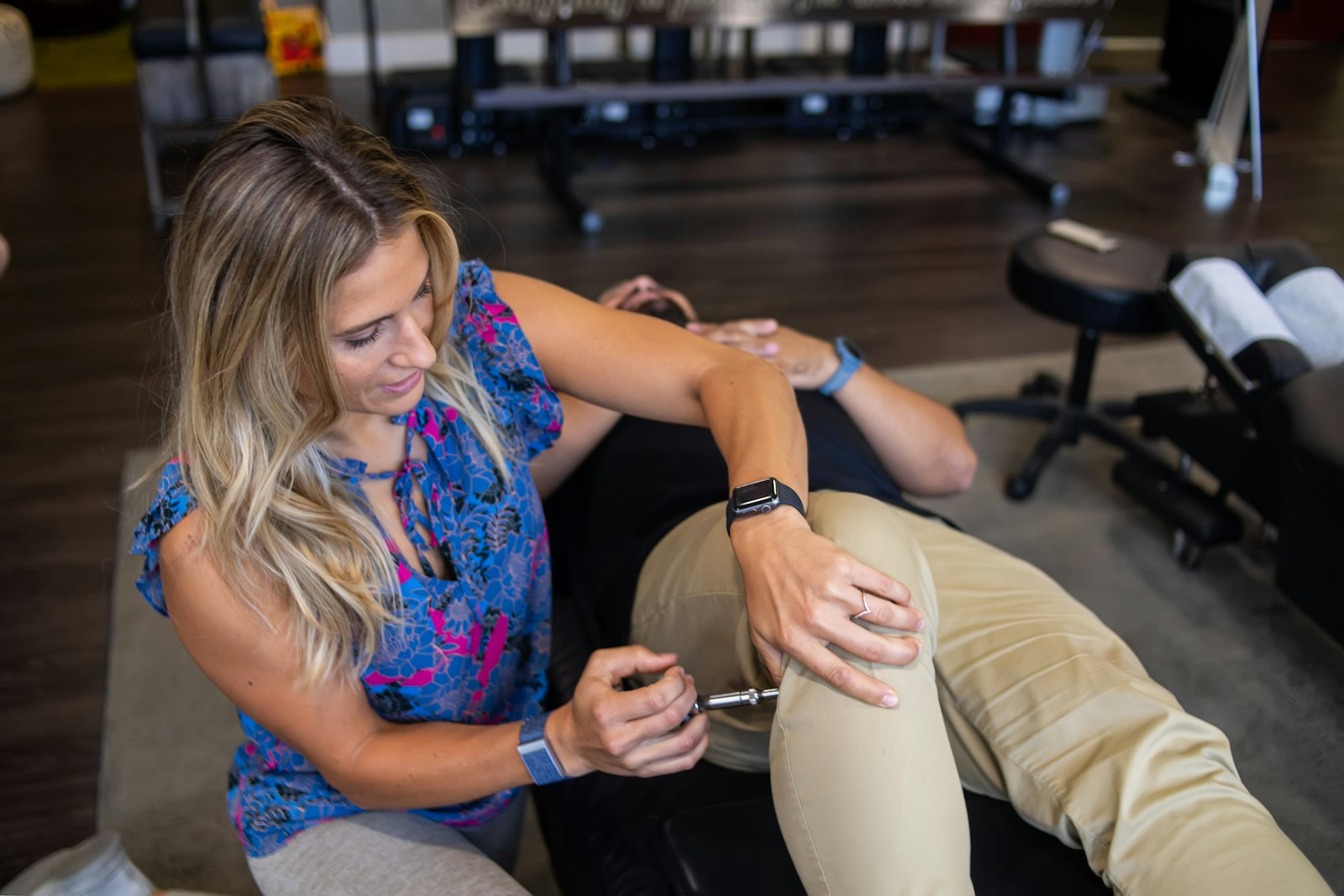
Nutritional counseling and chiropractic nutrition therapy form a synergistic duo by aligning dietary guidance with spinal adjustments, soft-tissue techniques, and posture correction. While chiropractic care restores joint mobility and nerve function, targeted nutrient strategies support collagen synthesis, reduce oxidative stress, and stabilize muscle metabolism. This integrated approach minimizes treatment resistance and maximizes patient outcomes by ensuring the internal environment is primed for structural realignment and pain relief.

What Are the Key Benefits of Personalized Nutrition Plans for Pain Management?

Personalized nutrition plans deliver tailored ratios of macronutrients and specific micronutrient boosters to address inflammation, support cartilage repair, and regulate pain pathways. Customized Nutrition Consultations at Get Well Chiropractic include an assessment of dietary triggers, lifestyle factors, and biochemical markers to recommend precise dosages of omega-3s, antioxidants, and phytonutrient-rich foods. Patients report reduced joint stiffness, fewer muscle spasms, and a decreased reliance on pain medications, reflecting enhanced resilience and functional capacity.

Which Nutrients and Whole Foods Promote Natural Healing and Inflammation Reduction?

Before listing specific foods, it is essential to highlight that choosing nutrient-dense whole foods provides a complex array of anti-inflammatory compounds and cofactors for optimal absorption.

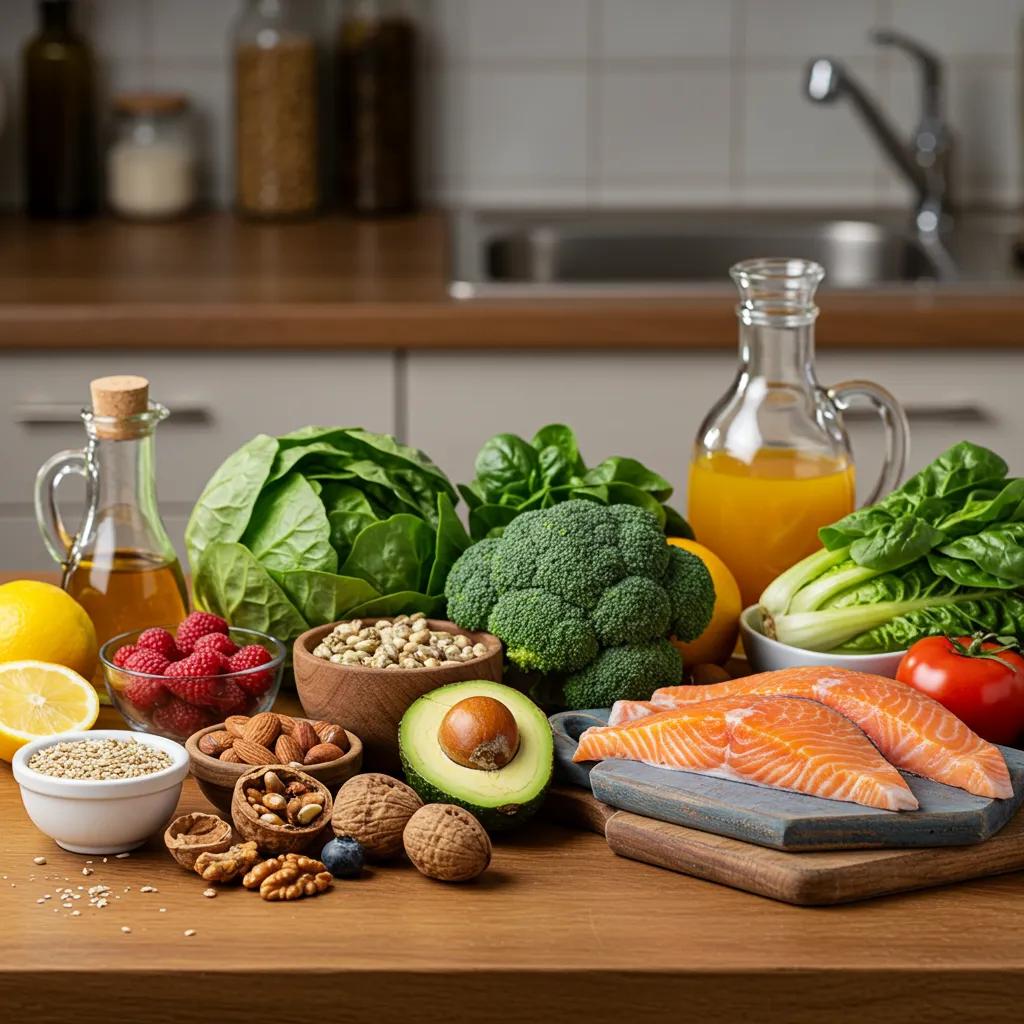
  • Omega-3 fatty-acid sources such as wild-caught salmon, flaxseeds, and chia seeds provide EPA/DHA to downregulate inflammatory eicosanoids.
  • Leafy greens like kale and spinach supply vitamin K, magnesium, and chlorophyll to support detoxification and reduce oxidative stress.
  • Berries including blueberries and strawberries offer anthocyanins and vitamin C that protect joint cartilage and bolster collagen synthesis.
  • Turmeric and ginger contain curcumin and gingerols that inhibit NF-κB pathways, decreasing pro-inflammatory cytokine production.
  • Nuts and seeds such as walnuts and pumpkin seeds deliver zinc and selenium for immune modulation and tissue repair.

These foods collectively foster an internal environment conducive to pain relief and set the stage for understanding how nutrition drives long-term wellness.

How Does Nutritional Counseling Promote Overall Wellness and Long-Term Health?

Integrating targeted nutrient interventions with holistic lifestyle guidance ensures patients cultivate sustainable habits that extend beyond pain management.

Nutrient CategoryMechanismLong-Term Benefit
Omega-3 Fatty AcidsDownregulate inflammatory mediatorsCardiovascular protection and joint health
Antioxidant PhytonutrientsNeutralize oxidative stressCellular longevity and reduced chronic disease risk
Fiber & PrebioticsSupport gut microbiome balanceImproved metabolic health and immune resilience

By embedding these nutrient profiles into daily meals, patients experience enhanced energy, cognitive clarity, and reduced risk of lifestyle-related conditions—laying the groundwork for lasting well-being.

Which Diets and Foods Are Best for Chronic Pain Relief and Inflammation Reduction?

Adopting an anti-inflammatory dietary framework prioritizes nutrient-dense foods that inhibit inflammatory cascades while limiting pro-inflammatory triggers. This approach reduces cytokine activity, supports gut integrity, and enhances the efficacy of chiropractic interventions to relieve chronic pain and restore function.

What Are the Top Anti-Inflammatory Foods for Pain Relief?

Below is a concise list of the most potent anti-inflammatory foods backed by research and clinical practice.

  • Wild-caught fatty fish including salmon and mackerel supply EPA and DHA to modulate inflammatory signaling.
  • Colorful berries such as raspberries and blackberries deliver anthocyanins that protect joint cartilage.
  • Cruciferous vegetables like broccoli and Brussels sprouts contain sulforaphane to inhibit inflammatory enzymes.
  • Extra-virgin olive oil offers oleocanthal, a natural COX inhibitor comparable to mild anti-inflammatory drugs.
  • Nuts and seeds including almonds and flaxseeds provide magnesium and alpha-linolenic acid for muscle relaxation and immune balance.

These food choices form the cornerstone of an anti-inflammatory diet and support the prevention and management of chronic pain conditions.

Which Foods Should Be Avoided to Reduce Chronic Pain and Inflammation?

To minimize inflammatory stress, it is critical to limit or eliminate:

  • Processed meats such as bacon and sausage containing advanced glycation end products (AGEs) that trigger oxidative pathways.
  • Refined sugars and high-fructose corn syrup that promote inflammatory cytokine release and gut dysbiosis.
  • Trans fats found in hydrogenated oils that elevate systemic inflammation and impair endothelial function.
  • Excessive dairy products in sensitive individuals, which can exacerbate joint discomfort and mucosal irritation.
  • Highly refined carbohydrates like white bread and pastries that spike blood glucose and inflammatory markers.

By removing these inflammatory drivers, patients create a metabolic environment that enhances tissue recovery and pain control.

How Does Gut Health Influence Chronic Pain and What Foods Support It?

Gut health plays a pivotal role in chronic pain by regulating the gut-brain axis, immune tolerance, and systemic inflammation. A permeable intestinal barrier allows endotoxins to enter circulation, stimulating inflammatory responses that sensitize pain pathways. Incorporating fermented foods like yogurt and kefir, along with prebiotic-rich onions and garlic, nourishes beneficial microbiota and reinforces barrier integrity. Consistent fiber intake from whole grains, legumes, and vegetables further supports short-chain fatty-acid production, promoting anti-inflammatory signaling and modulating nociceptive sensitivity.

What Role Do Nutritional Supplements Play in Managing Joint and Muscle Pain?

Supporting dietary adjustments with targeted supplementation can accelerate symptom relief and structural repair.

SupplementMechanismBenefit
Omega-3 (EPA/DHA)Inhibits pro-inflammatory prostaglandinsReduces joint swelling and pain intensity
Glucosamine & ChondroitinPromotes cartilage synthesisImproves joint mobility and comfort
Vitamin DModulates immune responsesEnhances muscle function and pain threshold
MagnesiumRegulates neuromuscular excitabilityDecreases muscle cramps and tension

These supplements complement whole-food strategies to deliver comprehensive pain management and functional enhancement.

How Is Nutritional Counseling Integrated with Specialty Chiropractic Services in Northville?

Nutritional counseling at Get Well Chiropractic enhances specialty therapies by optimizing the body’s capacity to heal, reducing inflammation, and strengthening tissues targeted by spinal decompression and cold laser treatments. This coordinated care model ensures each modality supports the others, driving superior patient outcomes.

How Does Nutrition Enhance Recovery from Decompression Therapy?

Decompression therapy relieves spinal pressure and promotes disc hydration, while nutritional counseling supplies essential amino acids, vitamins, and minerals that facilitate intervertebral disc repair. Adequate protein intake from lean sources, alongside vitamin C and manganese for collagen formation, accelerates tissue synthesis. Balanced electrolytes and anti-inflammatory fats further support fluid retention within disc spaces, improving treatment longevity and reducing post-procedural soreness.

What Nutritional Support Improves Outcomes of Cold Laser Therapy?

Cold laser therapy stimulates cellular metabolism and reduces localized inflammation through photobiomodulation. Pairing this with foods rich in antioxidants and mitochondrial cofactors—such as coenzyme Q10 from organ meats and B-complex vitamins from whole grains—enhances cellular energy production and amplifies repair mechanisms. Hydrating nutrients like potassium and magnesium aid in reducing oxidative stress, optimizing cold laser efficacy and patient comfort.

How Does Diet Support Spinal Health and Chiropractic Adjustments?

A nutrient-forward diet reinforces spinal structures by supplying calcium and vitamin K2 for bone density, while anti-inflammatory flavonoids in dark chocolate and green tea protect vertebral joint tissues. Adequate hydration and electrolyte balance, maintained through natural sources like coconut water and cucumbers, ensure optimal disc cushioning and mobility. This foundational nutritional support amplifies the mechanical benefits of Chiropractic Adjustments and fosters sustained spinal health.

Who Can Benefit from Personalized Wellness Nutrition Plans in Northville?

Personalized Wellness Nutrition Plans offer targeted dietary frameworks for diverse populations—athletes, expectant mothers, seniors, and more—each with unique requirements for pain relief and performance optimization. By considering metabolic rates, hormonal shifts, and activity levels, Get Well Chiropractic’s Customized Nutrition Consultations ensure every individual receives the precise nutrient support needed for lasting wellness.

What Are the Nutritional Needs of Athletes for Pain Relief and Performance?

Athletes require elevated protein for muscle repair, complex carbohydrates for sustained energy, and antioxidants to counter exercise-induced oxidative stress. Emphasizing lean meats, quinoa, berries, and colorful vegetables ensures ample amino acids, glycogen replenishment, and anti-inflammatory phytonutrients. Strategic timing of nutrient intake around training sessions enhances recovery, reduces muscle soreness, and minimizes injury risk.

How Does Prenatal and Postnatal Nutrition Support Pain Management and Wellness?

Prenatal and postnatal phases demand higher intakes of folate, iron, calcium, and omega-3 fatty acids to support fetal development and maternal tissue repair. Including leafy greens, fortified cereals, dairy alternatives, and flaxseed oil addresses these needs while balancing blood sugar levels to reduce pregnancy-related joint discomfort. Postnatal plans maintain nutrient density to promote healing, reduce inflammation, and support breastfeeding.

What Nutrition Strategies Help Seniors Maintain Mobility and Reduce Pain?

Seniors benefit from diets rich in lean proteins, fiber, and bone-supportive nutrients to preserve muscle mass and bone integrity. Incorporating tofu, legumes, whole grains, and low-oxalate greens supplies plant-based proteins and calcium without burdening renal function. Anti-inflammatory spices like turmeric and black pepper synergize to alleviate arthritis symptoms, while gentle fiber sources support digestive health and nutrient absorption.

What Practical Tips and Local Resources Support Healthy Eating and Wellness in Northville?

Northville residents can access a wealth of community offerings and simple strategies to embed whole foods into daily life, reinforcing nutritional counseling recommendations and building sustainable habits. Local farmers’ markets, walking clubs, and educational workshops amplify healthy choices and foster peer support.

How Can Northville Residents Incorporate Whole Foods into Their Daily Diet?

Begin each day with a fruit-rich smoothie that combines leafy greens, frozen berries, and plant-based protein for balanced macro- and micronutrient intake. Integrate seasonal vegetables from farmers’ markets into soups and stir-fries to maximize freshness and nutrient density. Snack on raw nuts, seeds, and fresh fruit to maintain consistent blood sugar levels and curb inflammatory cravings.

What Local Wellness Workshops and Events Offer Nutritional Counseling?

Throughout the year, community centers and health co-ops in Northville host nutrition seminars, cooking demonstrations, and walking clubs designed to educate attendees on anti-inflammatory eating, meal planning, and mindful cooking. Participating in these events cultivates accountability, exposes residents to new whole-food recipes, and reinforces the principles learned in Customized Nutrition Consultations.

Where Can Patients Schedule Personalized Nutritional Consultations at Get Well Chiropractic?

Schedule a Customized Nutrition Consultation at Get Well Chiropractic’s Northville clinic to receive a comprehensive dietary assessment, personalized meal plan, and ongoing support. Expert practitioners combine clinical nutrition science with chiropractic insights to craft a holistic strategy for pain relief, recovery from specialty therapies, and lifelong wellness.

What Are Common Questions About Nutritional Counseling for Pain Relief and Wellness?

Patients often wonder how dietary changes translate into measurable pain reduction and whether chiropractors can guide nutrition choices. Understanding these basics clarifies misconceptions and highlights the value of integrated care.

Can Diet Reduce Inflammation and Chronic Pain Effectively?

Yes, a structured anti-inflammatory diet rich in omega-3 fats, antioxidants, and fiber can lower systemic inflammation markers and alleviate chronic pain by modulating immune responses and protecting joint tissues. Clinical studies demonstrate significant reductions in pain intensity and frequency when patients adhere to targeted nutritional protocols.

Do Chiropractors Provide Nutritional Advice and Wellness Coaching?

Chiropractors at Get Well Chiropractic integrate nutritional counseling into their practice, offering Wellness Coaching and Dietary Advice to complement spinal adjustments and soft-tissue therapies. This multidisciplinary approach addresses both structural and metabolic aspects of pain management, empowering patients to take an active role in their health.

What Foods Help with Specific Conditions Like Arthritis and Back Pain?

For arthritis and back pain, prioritize omega-3-rich fish, leafy greens high in vitamin K, berries with anthocyanins, and spice blends containing turmeric and ginger. These foods inhibit inflammatory pathways, support cartilage repair, and improve joint lubrication, directly addressing the mechanisms underlying these conditions.

How Does Holistic Pain Management Combine Nutrition and Chiropractic Care?

Holistic pain management merges targeted dietary modifications with Chiropractic Adjustments, decompression therapy, and cold laser sessions to address pain from multiple angles. Nutrition reduces inflammatory mediators, while manual therapies restore alignment and function—together creating a synergistic pathway to optimized healing and sustained mobility.

How Does Nutritional Counseling Align with Current Wellness and Pain Relief Trends?

Nutritional counseling sits at the intersection of personalized medicine, functional nutrition, and holistic care, reflecting key market dynamics in 2025. By leveraging innovation in nutrient profiling and integrative therapy models, Get Well Chiropractic stays ahead of evolving patient expectations and industry standards.

What Are the Latest Market Trends in Nutritional Counseling and Pain Management?

Current trends emphasize personalized nutrition platforms, microbiome-focused dietary strategies, and integrative pain management that combines nutrition with physical therapies. The market’s rapid growth—driven by rising chronic disease rates and consumer health awareness—has elevated demand for accessible, data-driven nutritional services that deliver tangible pain relief outcomes.

Why Is Personalized Nutrition Growing in Importance for Chronic Pain Relief?

Personalized nutrition addresses interindividual variability in genetics, metabolism, and lifestyle factors that influence inflammatory processes and pain perception. Tailored dietary protocols yield more consistent results than generic recommendations by targeting specific nutrient deficiencies, inflammatory drivers, and gut microbiome imbalances, ensuring more predictable and effective pain reduction.

How Does Get Well Chiropractic Lead in Integrating Nutrition and Chiropractic Care in Northville?

Get Well Chiropractic pioneered the integration of Customized Nutrition Consultations with advanced therapies such as decompression and cold laser in Northville, MI. Experienced practitioners apply evidence-based protocols to align dietary interventions with manual treatments, creating a seamless care continuum that sets the practice apart as a local authority in holistic pain relief and long-term wellness.

Frequently Asked Questions

What is the role of hydration in nutritional counseling for pain relief?

Hydration plays a crucial role in nutritional counseling for pain relief as it supports overall bodily functions, including nutrient transport and joint lubrication. Adequate fluid intake helps maintain the elasticity of tissues and reduces the risk of muscle cramps and stiffness. Additionally, hydration aids in flushing out toxins and reducing inflammation, which can exacerbate pain. Incorporating hydrating foods like cucumbers, watermelon, and herbal teas into your diet can enhance hydration levels and contribute to a more effective pain management strategy.

How can meal timing affect pain management and recovery?

Meal timing can significantly influence pain management and recovery by optimizing nutrient absorption and energy levels. Consuming balanced meals and snacks at regular intervals helps maintain stable blood sugar levels, which can prevent energy crashes and inflammation spikes. For athletes or those recovering from injury, timing nutrient intake around workouts or therapies can enhance muscle repair and reduce soreness. Implementing strategies like pre- and post-workout meals rich in protein and carbohydrates can support recovery and improve overall outcomes in pain management.

Are there specific dietary patterns that are more effective for chronic pain relief?

Certain dietary patterns, such as the Mediterranean diet, have been shown to be particularly effective for chronic pain relief. This diet emphasizes whole foods, including fruits, vegetables, whole grains, healthy fats, and lean proteins, which are rich in anti-inflammatory compounds. By reducing processed foods and sugars, individuals can lower inflammation levels and improve overall health. Adopting such dietary patterns not only aids in pain management but also promotes long-term wellness and reduces the risk of chronic diseases.

How can nutritional counseling support mental health in relation to pain management?

Nutritional counseling can significantly support mental health, which is often intertwined with chronic pain experiences. Certain nutrients, such as omega-3 fatty acids, B vitamins, and magnesium, play vital roles in brain health and mood regulation. A balanced diet rich in these nutrients can help alleviate symptoms of anxiety and depression, which may accompany chronic pain conditions. By addressing both physical and mental health through nutrition, individuals can experience a more holistic approach to pain management and overall well-being.

What are the potential risks of not following a personalized nutrition plan?

Not following a personalized nutrition plan can lead to several risks, particularly for individuals managing chronic pain. Without tailored dietary guidance, patients may continue to consume pro-inflammatory foods that exacerbate their condition, leading to increased pain and discomfort. Additionally, nutrient deficiencies can arise, impairing the body’s healing processes and overall health. This can result in prolonged recovery times and a greater reliance on medications. A personalized plan ensures that individuals receive the right nutrients to support their unique health needs and pain management goals.

How can local resources enhance the effectiveness of nutritional counseling?

Local resources, such as farmers’ markets, community health workshops, and nutrition classes, can greatly enhance the effectiveness of nutritional counseling. These resources provide access to fresh, whole foods that align with dietary recommendations and foster a supportive community environment. Engaging in local wellness events can also offer practical cooking tips, meal planning strategies, and peer support, making it easier for individuals to implement dietary changes. Utilizing these resources can reinforce the principles of nutritional counseling and promote sustainable healthy eating habits.

Conclusion

Embracing nutritional counseling can significantly enhance pain relief and overall wellness through personalized dietary strategies tailored to individual needs. By integrating whole foods and targeted nutrient interventions, patients can experience reduced inflammation, improved recovery, and sustained health benefits. Take the first step towards a healthier lifestyle by scheduling a Customized Nutrition Consultation at Get Well Chiropractic today. Discover how our expert guidance can empower you to achieve lasting wellness and pain management.

Aura Health & Spa in Plymouth, Michigan

Get Well Chiropractic of Northville provides personalized, results-driven chiropractic care to help you move better, feel better, and live pain-free. Whether you’re recovering from an injury or seeking long-term wellness, our team is here to support your journey to better health.