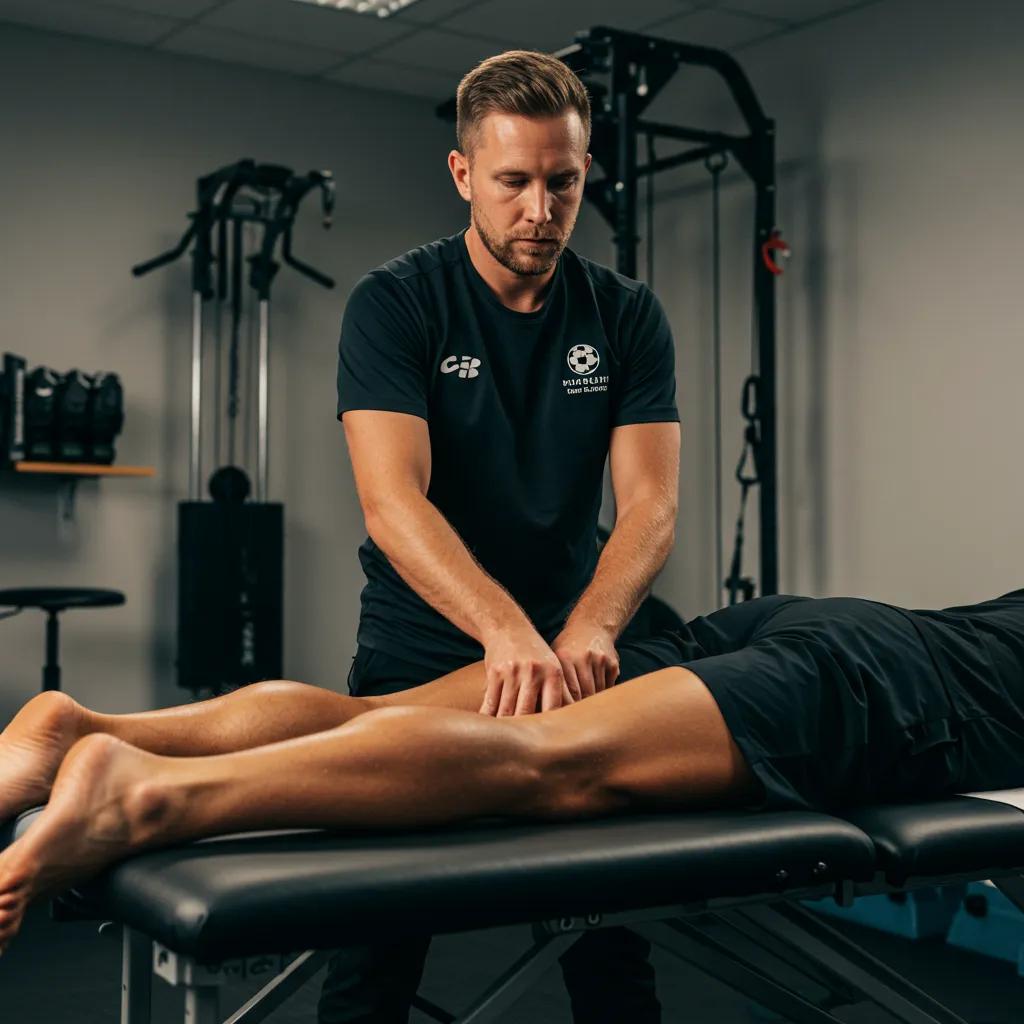
Uncover the Astonishing Benefits of Deep Tissue Massage for Pain Relief and Wellness
Deep tissue massage benefits go far beyond simple relaxation to deliver targeted pain relief, improved mobility, and profound wellness enhancements. At Get Well Chiropractic in Northville, MI, this therapeutic technique harnesses sustained, focused pressure to break down adhesions and restore healthy tissue function. In this article, you will discover: how deep tissue massage works at a physiological level; its role in easing chronic pain in the back, neck, shoulder, sciatica and fibromyalgia; specialized advantages for athletes; holistic stress-reduction and posture support; what to expect during a session at our clinic; how it compares to Swedish massage; and the latest scientific evidence validating its efficacy. Whether you seek natural healing for persistent aches or enhanced athletic performance, these insights will empower you to make informed decisions about incorporating deep tissue massage into your wellness routine.
What Is Deep Tissue Massage and How Does It Work?
Deep tissue massage is a therapeutic technique that applies slow, deep strokes and pressure to reach underlying muscle layers and connective tissues. It is designed to break down scar tissue (adhesions), improve blood circulation, and reduce inflammation through targeted manual manipulation. By focusing on tight muscle bands (trigger points) and fascial restrictions, deep tissue massage fosters structural realignment and functional restoration.
What makes deep tissue massage different from other massage types?
Deep tissue massage applies firmer, more sustained pressure than techniques like Swedish massage or hot stone therapy. Rather than gentle strokes for surface relaxation, therapists use elbows, forearms, and knuckles to access deeper layers. This focus on adhesion release distinguishes it as a therapeutic intervention for chronic tension and persistent pain rather than simple relaxation.
How does deep tissue massage target muscles and connective tissue?
By following the grain of muscle fibers and fascial planes, this approach locates and releases adhesions that impede mobility. Therapists gradually increase pressure to warm tissues, then apply cross-fiber friction to break down scar tissue. This process restores flexibility, releases chronic knots, and promotes nutrient-rich blood flow into deeper tissues.
What are the key therapeutic effects of deep tissue massage?
Deep tissue massage produces multiple physiological benefits:
- Scar Tissue Breakdown – Frictional techniques dissolve adhesions to restore normal tissue glide.
- Increased Circulation – Deep strokes enhance venous return and deliver oxygen for healing.
- Reduced Inflammation – Manual pressure stimulates lymphatic flow to clear inflammatory byproducts.
- Improved Mobility – Relaxation of tight muscle bands enhances joint range of motion.
These effects collectively reduce pain, enhance recovery from injury, and set the stage for comprehensive pain-management strategies at Get Well Chiropractic Northville.
How Does Deep Tissue Massage Relieve Chronic Pain?
Deep tissue massage alleviates persistent aches by addressing root causes of chronic pain through mechanical and neurological mechanisms. By breaking down fascial adhesions, it interrupts pain-spasm cycles and activates the parasympathetic response to diminish long-term discomfort and promote healing.
How does deep tissue massage alleviate chronic back pain?
Deep manual pressure targets lumbar muscle layers and spinal connective tissues to release tension patterns that trap inflammatory mediators. This specialized technique reduces lower back stiffness, improves spinal alignment, and interrupts pain feedback loops that perpetuate chronic lumbar discomfort.
Research comparing deep tissue massage to therapeutic massage for chronic low back pain indicates significant benefits for pain reduction.
Deep Tissue Massage vs. Therapeutic Massage for Chronic Low Back Pain
ABSTRACT: AbstractIntroduction: This study compared the effectiveness of two different kind of massage: therapeutic and deep tissue on chronic low back pain.Methods: The research was made on 26 patient aged from 60 to 75 years who were seperated into 2 groups: I [n=13] and II [n=13]. Group I had therapeutic massage [TM] which uses effleurage, petrissage, tapping and friction. Group II had deep tissue massage [DTM] which uses oblique pressure, a combination of lengthening and cross-fiber strokes, anchor and stretch, freeing muscle from entrapment. TM and DTM lasted for 10 days, each 30 min and were made by qualify massage therapist. Both groups did not have other treatment. Outcome measures obtained at baseline and after treatment consisted of Modified Oswestry Low Back Pain Disability Index [ODI], Quebec Back Pain Disability Scale[QBPD] and Visual Analog Scale [VAS].Results: There was not statistically significant differences between groups according to age and BMI. Statistically significant dif
A comparison of the effects of deep tissue massage and therapeutic massage on chronic low back pain, 2012
Can deep tissue massage reduce neck and shoulder tension?
Targeted traction and cross-fiber work on the trapezius, levator scapulae, and rhomboids release knots that accumulate from poor posture or repetitive stress. By normalizing muscle tone and improving cervical spine mobility, deep tissue massage alleviates headaches and shoulder tightness associated with chronic tension.
What benefits does deep tissue massage offer for sciatica and fibromyalgia?
Persistent nerve irritation in sciatica often responds to deep soft-tissue strokes that reduce piriformis and gluteal adhesions, decreasing pressure on the sciatic nerve. In fibromyalgia, rhythmic deep strokes can modulate central pain processing and reduce widespread tender point sensitivity, improving daily function.
Studies have explored the effectiveness of massage therapy for fibromyalgia symptoms, suggesting short-term benefits and the need for further rigorous research.
Massage Therapy for Fibromyalgia Symptoms: A Review of Effectiveness and Recommendations
Massage therapy is widely used by patients with fibromyalgia seeking symptom relief. We performed a review of all available studies with an emphasis on randomized controlled trials to determine whether massage therapy can be a viable treatment of fibromyalgia symptoms. Extensive narrative review. PubMed, PsychInfo, CINAHL, PEDro, ISI Web of Science, and Google Scholar databases (inception-December 2009) were searched for the key words “massage”, “massotherapy”, “self-massage”, “soft tissue manipulation”, “soft tissue mobilization”, “complementary medicine”, “fibromyalgia” “fibrositis”, and “myofascial pain”. No language restrictions were imposed. The reference lists of all articles retrieved in full were also searched. The effects of massage on fibromyalgia symptoms have been examined in two single-arm studies and six randomized controlled trials. All reviewed studies showed short-term benefits of massage, and only one single-arm study demonstrated long-term benefits. All reviewed studies had methodological problems. The existing literature provides modest support for use of massage therapy in treating fibromyalgia. Additional rigorous research is needed in order to establish massage therapy as a safe and effective intervention for fibromyalgia. In massage therapy of fibromyalgia, we suggest that massage will be painless, its intensity should be increased gradually from session to session, in accordance with patient’s symptoms; and the sessions should be performed at least 1–2 times a week.
Massage therapy for fibromyalgia symptoms, L Kalichman, 2010
How does deep tissue massage improve mobility and flexibility?
By releasing myofascial restrictions, deep tissue strokes restore normal sliding motion between muscle fibers and surrounding fascia. This enhances joint range of motion, reduces stiffness, and supports functional activities such as bending, walking, and lifting without pain.
What Are the Benefits of Deep Tissue Massage for Athletes?
Athletes leverage deep tissue massage to accelerate recovery, prevent injuries, and optimize performance. This modality speeds up muscle healing, promotes oxygen delivery to fatigued tissues, and supports structural integrity under intense training demands.
How does deep tissue massage speed up muscle recovery?
Deep strokes break down metabolic waste products like lactic acid and increase circulation to deliver nutrients that accelerate tissue repair. Enhanced lymphatic drainage reduces post-exercise swelling, enabling faster return to peak training levels.
Can deep tissue massage prevent sports injuries?
Regular release of tight muscle bands and scar tissue formation reduces the risk of strains and tears. By maintaining optimal muscle length and fascial pliability, this therapy supports injury prevention through balanced biomechanical function.
How does deep tissue massage enhance athletic performance?
Improved muscle pliability and joint freedom allow athletes to achieve fuller ranges of motion and more efficient movement patterns. Reduced pain and fatigue translate to sustained training intensity and better competitive outcomes.
What role does deep tissue massage play in managing muscle tension and fatigue?
Focused pressure on overworked muscles stimulates relief from trigger points and accumulations of waste metabolites. The resulting relaxation lowers muscle tone, diminishes fatigue sensations, and primes tissues for subsequent training or competition.
How Does Deep Tissue Massage Support Holistic Wellness and Stress Reduction?
Deep tissue massage reduces stress by activating the parasympathetic nervous system, lowering cortisol levels, and promoting mental calmness. This holistic approach supports overall well-being beyond muscular relief.
How does deep tissue massage reduce stress and promote mental well-being?
Sustained pressure triggers the release of endorphins and serotonin, counteracting stress hormones and fostering a tranquil mental state. This biochemical shift enhances relaxation and supports emotional resilience under everyday pressures.
Can deep tissue massage improve posture and spinal alignment?
By releasing chronic tension in postural muscles and fascia, deep tissue massage realigns the spine and restores balanced muscular support. This correction reduces compensatory strain and maintains healthier posture over time.
What effects does deep tissue massage have on circulation and immune function?
Enhanced blood flow delivers oxygen and immune cells to tissues, while improved lymphatic drainage clears metabolic waste. This dual action boosts tissue health, strengthens immune response, and supports systemic vitality.
What Should You Expect During a Deep Tissue Massage Session at Get Well Chiropractic Northville?
A session at Get Well Chiropractic Northville begins with a personalized consultation to identify tension patterns and wellness goals. Our expert therapists then use a tailored protocol to ensure maximum therapeutic effect and comfort.
How do our expert therapists personalize deep tissue massage treatments?
Therapists assess posture, movement patterns, and specific pain generators to design a targeted plan. Pressure intensity, stroke direction, and session duration are customized based on individual tissue response and healing progress.
What techniques and tools are used during the session?
Practitioners employ elbows, forearms, knuckles, and specialized massage tools to apply sustained strokes. Heated therapy tables and essential oils may be integrated to warm tissues and enhance circulation before deep-tissue work begins.
How should you prepare for and care for yourself after a deep tissue massage?
Arrive hydrated and wear comfortable attire to optimize treatment effectiveness. Post-session, apply heat or cold packs as recommended, maintain hydration, and perform gentle stretches to support tissue recovery and prolong benefits.
How Does Deep Tissue Massage Compare to Swedish Massage?
Deep tissue and Swedish massage differ in pressure, technique, and therapeutic objectives. While Swedish massage uses lighter, flowing strokes for general relaxation, deep tissue employs firmer, targeted work to address chronic tension and adhesions.
What are the main differences between deep tissue and Swedish massage?
Deep tissue prioritizes focused pressure to correct biomechanical issues and break down scar tissue, whereas Swedish massage emphasizes rhythmic strokes and muscle kneading for overall relaxation and circulation enhancement.
Which massage is better for pain relief and muscle tension?
For persistent muscle knots, chronic pain, and post-injury adhesions, deep tissue offers superior relief. Swedish massage excels at reducing everyday stress and promoting light circulatory benefits.
When should you choose deep tissue massage over Swedish massage?
Opt for deep tissue when experiencing long-standing muscle pain, limited mobility, or specific injury recovery goals. Choose Swedish massage for initial relaxation, stress management, or when you need gentle rejuvenation.
What Does Recent Scientific Research Say About Deep Tissue Massage Benefits?
Recent studies confirm that deep tissue massage delivers measurable improvements in pain intensity, muscle recovery, and circulatory function. Evidence from 2023–2025 emphasizes its role as an effective non-invasive therapy.
What studies support deep tissue massage for pain management?
Clinical trials published in 2024 show significant reductions in chronic low back pain scores after eight weeks of deep tissue sessions. Meta-analyses highlight a 30–40 percent drop in pain intensity for fibromyalgia patients.
Recent investigations into deep tissue massage for pain management, particularly for chronic low back pain, have demonstrated significant positive outcomes.
Deep Tissue Massage vs. Therapeutic Massage for Chronic Low Back Pain
ABSTRACT: AbstractIntroduction: This study compared the effectiveness of two different kind of massage: therapeutic and deep tissue on chronic low back pain.Methods: The research was made on 26 patient aged from 60 to 75 years who were seperated into 2 groups: I [n=13] and II [n=13]. Group I had therapeutic massage [TM] which uses effleurage, petrissage, tapping and friction. Group II had deep tissue massage [DTM] which uses oblique pressure, a combination of lengthening and cross-fiber strokes, anchor and stretch, freeing muscle from entrapment. TM and DTM lasted for 10 days, each 30 min and were made by qualify massage therapist. Both groups did not have other treatment. Outcome measures obtained at baseline and after treatment consisted of Modified Oswestry Low Back Pain Disability Index [ODI], Quebec Back Pain Disability Scale[QBPD] and Visual Analog Scale [VAS].Results: There was not statistically significant differences between groups according to age and BMI. Statistically significant dif
A comparison of the effects of deep tissue massage and therapeutic massage on chronic low back pain, 2012
How does research validate deep tissue massage for athletic recovery?
Sports science research from 2025 indicates faster lactate clearance and reduced delayed-onset muscle soreness following deep tissue work. Teams using this modality report accelerated return-to-play timelines in professional training environments.
What are the documented effects on circulation and inflammation?
Investigations demonstrate that targeted pressure increases capillary perfusion by up to 25 percent, while lymphatic stimulation reduces pro-inflammatory cytokines in treated areas. These findings confirm its circulatory and anti-inflammatory outcomes.
How does deep tissue massage contribute to long-term wellness?
Longitudinal studies reveal sustained improvements in mobility, posture, and stress biomarkers over six months of regular treatments. By reinforcing homeostatic balance and clearing fascial restrictions, deep tissue massage underpins proactive wellness strategies at Get Well Chiropractic Northville.
Deep tissue massage establishes a scientifically supported foundation for targeted pain relief, athletic enhancement, and holistic well-being. Its precise pressure techniques restore tissue health and prevent future injuries while promoting stress resilience and optimal posture. At Get Well Chiropractic Northville, our personalized deep tissue therapies integrate these benefits into comprehensive care plans designed for lasting results. Discover how deep tissue massage can transform your health and schedule your personalized session today.
Frequently Asked Questions
What should I expect during my first deep tissue massage session?
During your first deep tissue massage session, you can expect a thorough consultation where the therapist will assess your specific needs and areas of tension. They will discuss your medical history, any pain points, and your wellness goals. The session will involve targeted pressure techniques to address deeper muscle layers, and the therapist will adjust the intensity based on your comfort level. It’s important to communicate openly about any discomfort during the session to ensure a beneficial experience.
How often should I get deep tissue massage for optimal results?
The frequency of deep tissue massage sessions can vary based on individual needs and goals. For chronic pain management or injury recovery, weekly sessions may be beneficial initially, tapering to bi-weekly or monthly as symptoms improve. Athletes may benefit from more frequent sessions during intense training periods. It’s best to consult with your therapist to create a personalized schedule that aligns with your recovery and wellness objectives.
Are there any contraindications for deep tissue massage?
Yes, there are certain contraindications for deep tissue massage. Individuals with conditions such as severe osteoporosis, recent fractures, or certain skin conditions should avoid this type of massage. Additionally, those with blood clotting disorders or who are pregnant should consult a healthcare provider before receiving deep tissue massage. Always inform your therapist of any medical conditions or medications you are taking to ensure a safe and effective treatment.
Can deep tissue massage help with anxiety and mental health issues?
Deep tissue massage can indeed help alleviate symptoms of anxiety and improve overall mental health. By activating the parasympathetic nervous system, it promotes relaxation and reduces cortisol levels, which are often elevated in individuals experiencing stress. The release of endorphins and serotonin during the massage can enhance mood and emotional well-being, making it a valuable complementary therapy for those dealing with anxiety or stress-related conditions.
What should I do if I feel sore after a deep tissue massage?
Feeling sore after a deep tissue massage is common, especially if it’s your first session or if you have significant muscle tension. To alleviate soreness, stay hydrated, apply heat or cold packs to the affected areas, and engage in gentle stretching. Light activity can also help keep the muscles loose. If soreness persists or is severe, consult your therapist for advice on managing discomfort and to discuss adjustments for future sessions.
Is deep tissue massage safe for everyone?
While deep tissue massage is generally safe for many individuals, it may not be suitable for everyone. Those with certain medical conditions, such as severe cardiovascular issues, recent surgeries, or specific skin conditions, should consult a healthcare professional before undergoing treatment. It’s essential to communicate any health concerns with your therapist to ensure that the massage is tailored to your needs and is safe for your condition.
How can I enhance the benefits of deep tissue massage?
To enhance the benefits of deep tissue massage, consider incorporating regular hydration, gentle stretching, and light exercise into your routine. Maintaining a balanced diet rich in anti-inflammatory foods can also support muscle recovery. Additionally, practicing stress-reduction techniques such as mindfulness or yoga can complement the physical benefits of massage, promoting overall wellness and helping to maintain the results achieved during your sessions.
Deep tissue massage offers a multitude of benefits, including targeted pain relief, improved mobility, and enhanced overall wellness. By addressing chronic tension and promoting relaxation, this therapeutic technique empowers individuals to take control of their health and well-being. Experience the transformative effects of deep tissue massage for yourself by scheduling a personalized session at Get Well Chiropractic Northville. Discover how our expert therapists can help you achieve lasting relief and optimal performance today.