Discover the Secrets of Massage Techniques for Pain Relief: Effective Methods to Relieve Chronic and Acute Pain
Therapeutic massage techniques for pain relief harness targeted manual pressure and movement to ease discomfort, restore function, and promote long-term wellness. Chronic and acute pain stem from muscle tension, inflammation, or nerve irritation, and massage therapy works by stimulating blood flow, breaking down adhesions, and triggering endorphin release for natural analgesia. In this article, you will explore the most effective massage modalities, understand their underlying physiological mechanisms, identify which pain conditions respond best to each approach, and discover how integrated care—combining massage with chiropractic adjustments, decompression, and cold laser therapy—delivers superior outcomes. You will also learn what to expect during a session, the holistic benefits beyond pain relief, and how to find and book expert massage therapy services in Northville, Michigan, at Get Well Chiropractic. By the end, you will have a clear roadmap to choose and experience the right massage technique for your unique needs, backed by the latest insights and evidence.
What Are the Most Effective Massage Techniques for Pain Relief?
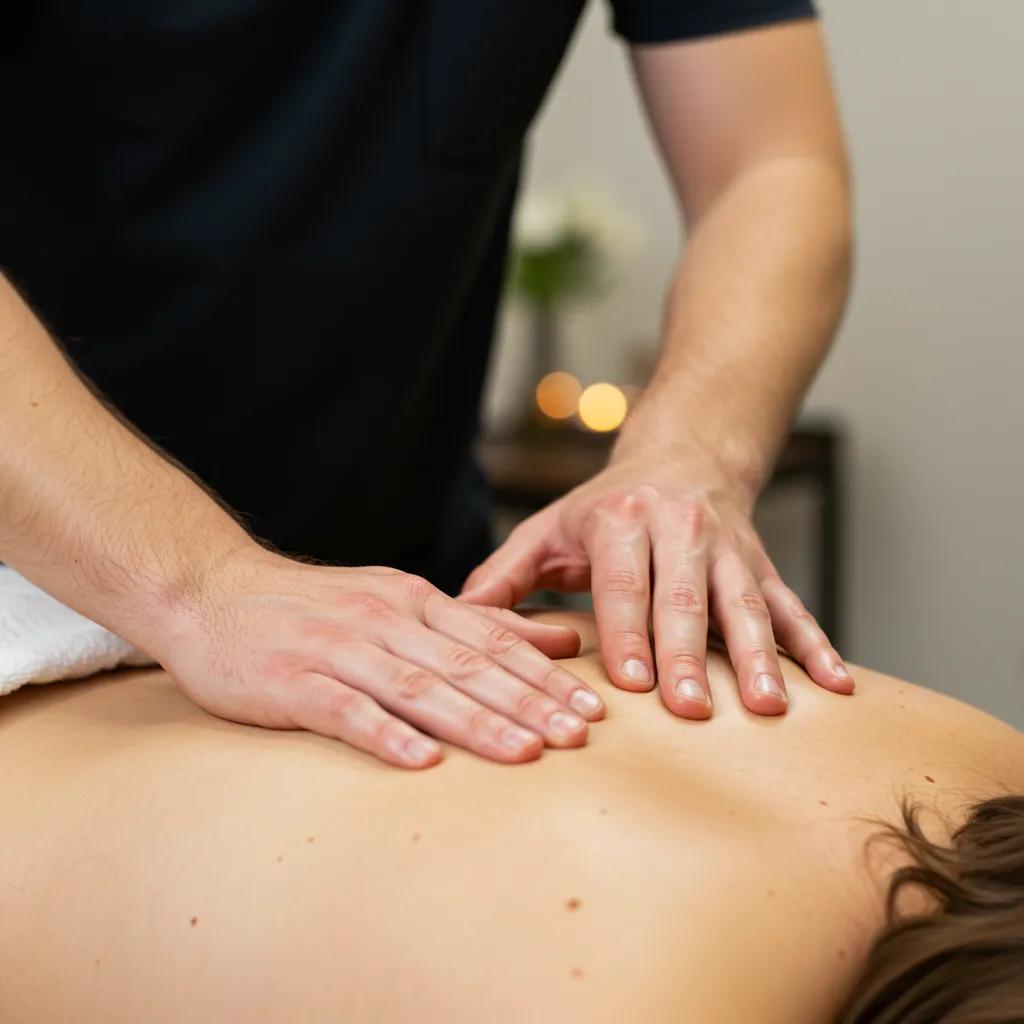
Deep Tissue Massage, Trigger Point Therapy, Swedish Massage, and Sports Massage are recognized as powerful hands-on interventions for alleviating both chronic and acute pain. These modalities operate by manipulating soft tissue to break down adhesions, stimulate circulation, and trigger endorphin release, directly reducing muscle tension and inflammation. For example, Deep Tissue Massage targets deeper muscle layers to dissolve scar tissue in cases of persistent back pain, while Swedish Massage employs rhythmic strokes to enhance relaxation and blood flow. By combining pressure variation and manual techniques, each method promotes improved mobility and comforts pain receptors at specific body locations. Understanding these practices lays the foundation for targeted relief across a spectrum of conditions, from lower back discomfort to sports injuries.
Below is an overview of the top five massage approaches that deliver the greatest pain-relieving benefits:
- Deep Tissue Massage focuses on deep muscle layers to break up scar tissue and reduce chronic muscle tightness. (pmc.ncbi.nlm.nih.gov)
- Trigger Point Therapy applies precise pressure to knots in muscle fibers, releasing referred pain in other body areas. (pmc.ncbi.nlm.nih.gov)
- Swedish Massage uses long, gliding strokes to increase blood flow, enhance relaxation, and ease mild to moderate tension. (pmc.ncbi.nlm.nih.gov)
- Sports Massage integrates stretching and compression for athletes, promoting faster recovery and injury prevention. (pmc.ncbi.nlm.nih.gov)
- Myofascial Release employs sustained pressure on connective tissue to restore fascial balance and improve range of motion. (pmc.ncbi.nlm.nih.gov)
Each technique excels in specific scenarios, offering tailored benefits that prepare the body for improved function and reduced discomfort. Understanding these methods sets the stage for exploring how they address individual pain conditions.
Which Massage Techniques Target Chronic Back Pain?
Deep Tissue Massage and Myofascial Release are particularly effective for chronic back pain because they focus on breaking down fibrous adhesions in muscle and fascial layers. By applying sustained pressure and friction, these techniques release tension in the lumbar region, improve spinal flexibility, and normalize soft-tissue mobility. This targeted approach not only alleviates persistent soreness but also enhances circulation to support tissue repair and reduce inflammatory markers over time.
How Does Deep Tissue Massage Relieve Muscle and Joint Pain?
Deep Tissue Massage works by applying firm, focused strokes and sustained pressure to penetrate beyond the superficial muscle layers. This mechanism breaks up scar tissue and adhesions that restrict joint movement, while stimulating local blood flow to deliver oxygen and nutrients. As a result, patients often report significant reductions in muscle spasms and joint stiffness within a few sessions.
What Is Trigger Point Therapy and How Does It Alleviate Pain?
Trigger Point Therapy involves locating hyper-irritable spots within taut bands of muscle fibers, then applying direct pressure to deactivate these points. This process interrupts pain-signaling pathways and restores normal muscle length. People suffering from headaches, neck pain, or fibromyalgia often experience swift relief when trigger points are released.
How Does Swedish Massage Help with Relaxation and Tension Relief?
Swedish Massage combines effleurage, petrissage, friction, percussion, and vibration to gently stretch muscles and warm soft tissue. These strokes enhance venous return and lymphatic drainage, reducing edema and soothing the nervous system. Relaxation induced by this technique lowers stress hormones and primes the body for deeper therapeutic interventions.
What Are the Benefits of Sports Massage for Muscle Recovery?
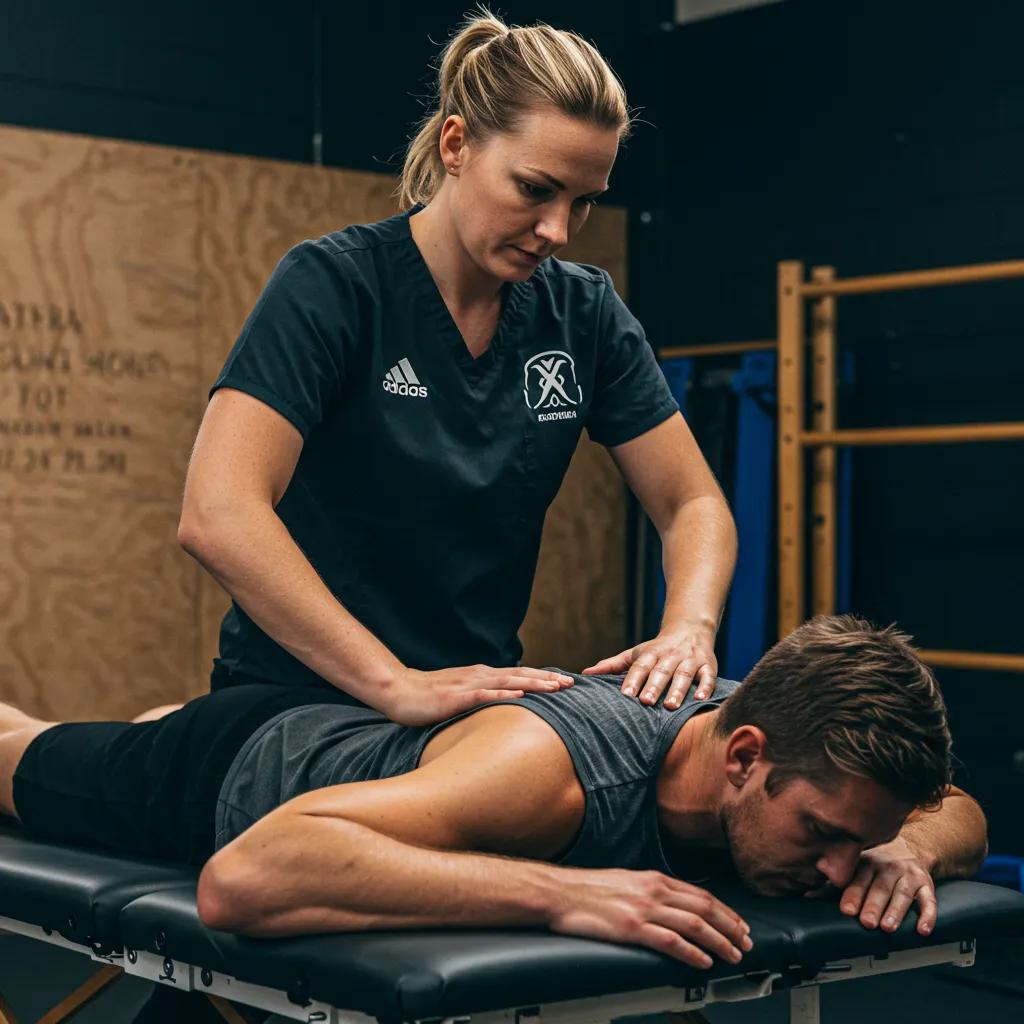
Sports Massage integrates deep pressure, stretching, and joint mobilization to accelerate muscle repair after intense activity. By reducing lactic acid buildup and realigning muscle fibers, it prevents delayed-onset soreness and lowers the risk of strains. Athletes benefit from enhanced flexibility, faster return to training, and improved overall performance.
How Does Massage Therapy Work to Reduce Pain and Improve Mobility?
Massage therapy works by engaging multiple physiological systems to alleviate pain and restore function. First, mechanical pressure dilates blood vessels and increases capillary perfusion, which accelerates toxin clearance and nutrient delivery to injured tissues. Second, manual manipulation of fascia and muscle fibers reduces adhesions and scar tissue, enhancing elasticity and range of motion. Third, pressure on specific nerve endings triggers the release of endorphins and enkephalins—natural analgesics that inhibit pain transmission at the spinal cord level. Collectively, these actions interrupt the pain cycle, diminish inflammatory mediators, and support tissue healing for lasting comfort.
The table below summarizes key effects, underlying processes, and patient outcomes:
These combined mechanisms empower therapeutic massage to address both the root causes and symptoms of pain, paving the way for improved mobility and daily function.
How Does Massage Increase Blood Circulation and Reduce Inflammation?
By applying graduated pressure toward the heart, massage pushes pooled blood and lymphatic fluid through vessels, promoting the removal of inflammatory byproducts and delivering oxygen-rich blood to starved tissues. Improved circulation also supports capillary repair and reduces localized edema in affected muscle groups.
What Role Do Endorphins and Stress Hormones Play in Pain Relief?
Massage stimulates the central nervous system to release endorphins that bind opioid receptors and block pain signals. Concurrently, it lowers cortisol and adrenaline levels, which not only reduces stress-related muscle tension but also enhances feelings of well-being and resilience against chronic discomfort.
How Does Massage Affect Muscles, Fascia, and Nerves for Lasting Relief?
Manual manipulation stretches muscle fibers, realigns collagen in fascia, and relieves pressure on compressed nerves. This integrated soft-tissue remodeling restores proper biomechanics, alleviates nerve entrapment, and breaks the cycle of pain and tension that often perpetuates chronic conditions.
Which Pain Conditions Can Benefit Most from Specific Massage Techniques?
Many acute and chronic conditions respond favorably to specialized massage interventions. Deep Tissue Massage excels in treating sciatica, low back pain, and post-injury adhesions by targeting deep muscle layers and connective tissues. Trigger Point Therapy is ideal for tension headaches, neck pain, and fibromyalgia by inactivating localized muscle knots that refer pain elsewhere. Swedish Massage offers broad relief for general muscle soreness, arthritis discomfort, and stress-induced tension through gentle strokes that enhance circulation and relaxation. Sports Massage accelerates recovery from sprains, strains, and overuse injuries by promoting tissue healing and preventing fibrotic buildup. Myofascial Release provides significant gains in flexibility and mobility for chronic postural imbalances and fascial restrictions.
The table below matches specific conditions to the most effective technique:
Each pairing maximizes therapeutic impact by addressing the underlying soft-tissue dysfunction that perpetuates pain.
How Does Deep Tissue Massage Help with Sciatica and Sports Injuries?
Deep Tissue Massage alleviates sciatica by releasing tight gluteal muscles and piriformis bands that compress the sciatic nerve. For sports injuries, it breaks down fibrotic tissue and restores elasticity to muscle fibers, reducing recovery time.
Can Trigger Point Therapy Relieve Neck Pain, Headaches, and Fibromyalgia?
Trigger Point Therapy pinpoints hyper-irritable nodules in muscle fibers, applying sustained pressure to deactivate pain referrals. This targeted release interrupts headache pathways and eases the diffuse muscle sensitivity characteristic of fibromyalgia.
What Massage Techniques Are Best for Arthritis, Migraines, and Muscle Soreness?
Gentle Swedish Massage reduces joint stiffness and promotes lubrication for osteoarthritis, while light myofascial stretches and rhythmic strokes ease migraine tension. Post-exercise muscle soreness responds well to alternating compression and effleurage within a sports massage framework.
Why Choose Integrated Care Combining Chiropractic and Massage Therapy?
Integrated care leverages the synergistic effects of chiropractic adjustments and massage therapy to address both joint alignment and soft-tissue dysfunction. Chiropractic spinal mobilization restores vertebral motion, which primes surrounding muscles and fascia for more effective massage manipulation. In turn, massage reduces muscle guarding and prepares the nervous system to respond more fully to joint correction. Combining these practices delivers superior pain relief, faster rehabilitation, and enhanced functional outcomes compared with isolated treatments. Get Well Chiropractic’s approach incorporates decompression and cold laser therapy alongside massage and adjustments for a truly comprehensive solution that accelerates healing and prevents recurrence.
How Does Chiropractic Care Enhance the Benefits of Massage Therapy?
Chiropractic adjustments realign the spine and joints, reducing mechanical stress on muscles and connective tissues. This mechanical correction allows massage to access deeper layers without resistance, maximizing soft-tissue remodeling.
What Are the Advantages of Combining Massage with Decompression and Cold Laser Therapy?
Spinal decompression gently separates vertebrae to relieve disc pressure, which amplifies the relaxation effect of massage on surrounding muscles. Cold laser therapy further reduces inflammation at the cellular level, creating an optimal environment for tissue repair when followed by hands-on manipulation.
How Does Integrated Care Support Long-Term Pain Management and Wellness?
By addressing structural alignment, soft-tissue health, and inflammatory processes in a coordinated plan, integrated care fosters sustainable pain relief, improved posture, and resilient musculoskeletal function, empowering patients to maintain active, pain-free lifestyles.
What Should You Expect During a Therapeutic Massage Session for Pain Relief?
A therapeutic massage session begins with a personalized assessment of your pain history, posture, and mobility goals. Your therapist will design a treatment plan that selects the appropriate technique, pressure level, and targeted body areas. During the session, communication remains open so that pressure can be adjusted for comfort and effectiveness. Post-treatment, you may experience mild soreness or increased energy as circulation and lymphatic flow normalize. Follow-up recommendations often include stretching exercises, ergonomic advice, and optional add-on therapies like cold laser or decompression for reinforced outcomes.
How Is a Massage Session Tailored to Individual Pain Needs?
Therapists at Get Well Chiropractic evaluate factors such as injury history, pain distribution, and tissue sensitivity to choose modalities—whether deep tissue, trigger point, or Swedish—that best address your unique condition.
What Are Common Sensations and Aftereffects of Different Massage Techniques?
Deep Tissue Massage may cause temporary tenderness or a dull ache, while Swedish Massage often leaves a light, relaxed sensation. Sports Massage can produce transient muscle fatigue as metabolic byproducts are cleared, and myofascial release may trigger mild muscle twitching as fascia resets.
How Can You Prepare for and Maximize the Benefits of Your Massage?
Arrive hydrated and well-rested, wearing loose clothing that allows easy garment removal. Communicate any areas of concern before the session, and plan gentle stretching or light movement afterward to reinforce tissue mobility and prolong relief.
What Are the Key Benefits of Therapeutic Massage Beyond Pain Relief?
Massage therapy delivers far-reaching wellness benefits by reducing stress hormones, improving sleep quality, and enhancing mental focus. By lowering cortisol and promoting serotonin and dopamine production, it supports emotional resilience and anxiety reduction. Improved fascial pliability and muscle elasticity boost flexibility, posture, and athletic performance. Regular treatments also fortify immune function through enhanced lymphatic drainage and optimize recovery from daily wear. Over time, consistent massage fosters sustainable well-being by preventing tension buildup, maintaining healthy circulation, and encouraging mind-body balance, supporting a proactive approach to lifelong health.
How Does Massage Therapy Reduce Stress, Anxiety, and Improve Mental Health?
Rhythmic, gentle touch stimulates the parasympathetic nervous system, encouraging relaxation and lowering stress hormones. This shift promotes mental calm and mitigates symptoms of anxiety and depression.
Can Massage Improve Flexibility, Range of Motion, and Athletic Performance?
By loosening tight muscles and breaking down fascial restrictions, massage increases joint mobility and muscle extensibility. Athletes benefit from improved stride length, reduced injury risk, and enhanced recovery capacity.
What Are the Long-Term Wellness Benefits of Regular Massage Therapy?
Ongoing sessions maintain soft-tissue health, prevent chronic tension patterns, and support vascular and lymphatic efficiency. Over years, this preventive strategy reduces the likelihood of recurrent injuries and sustains peak physical function.
How Can You Find and Book the Best Massage Therapy Services in Northville, Michigan?
To secure expert massage therapy in Northville, start by searching local providers with strong patient reviews and a holistic service menu. Look for practices offering integrated care models that combine massage with chiropractic, decompression, and cold laser options. Verify that therapists hold recognized credentials and maintain a patient-centered approach that customizes treatments to individual needs. At Get Well Chiropractic, our licensed therapists and chiropractors collaborate to design comprehensive plans that address your pain and wellness goals from the outset. Call our clinic or visit the website to explore service details, view practitioner profiles, and schedule an appointment.
What Makes Get Well Chiropractic’s Massage Therapy Unique in Northville?
Get Well Chiropractic delivers a truly integrated pain relief strategy by blending advanced massage techniques with spinal adjustments, decompression, and cold laser therapy under one roof for faster, longer-lasting results.
How Do You Choose the Right Massage Technique for Your Pain Condition?
Discuss your primary pain location, sensitivity levels, and activity goals during your initial consultation. Your care team will recommend Deep Tissue for stubborn adhesions, Trigger Point Therapy for referred pain, or Swedish Massage for general tension based on your assessment.
How Can You Schedule an Appointment and What Are the Next Steps?
To schedule, contact the clinic by phone or complete the online booking form to secure your preferred date and time. A care coordinator will confirm your session, provide pre-visit guidance, and answer any questions to ensure you arrive fully prepared.
Regular therapeutic massage at Get Well Chiropractic not only relieves pain but also cultivates resilience, flexibility, and tranquility for a balanced life. Over time, combining skilled manual therapy with cutting-edge modalities supports your journey toward sustained well-being and peak performance. Our team is committed to guiding you through each step, ensuring every session moves you closer to lasting relief and optimal health. Schedule today to experience the difference that integrated, patient-focused care can make in your life.
Frequently Asked Questions
What should I wear to a massage therapy session?
For a massage therapy session, it is best to wear loose, comfortable clothing that allows for easy movement and access to the areas being treated. Many clients choose to wear athletic wear or yoga pants. If you prefer, you can also wear nothing but a towel or sheet, as therapists are trained to ensure your comfort and privacy during the session. Always communicate with your therapist about any preferences or concerns regarding clothing before the session begins.
How often should I get a massage for optimal pain relief?
The frequency of massage therapy sessions for optimal pain relief can vary based on individual needs and conditions. Generally, for acute pain, weekly sessions may be beneficial, while chronic pain might require bi-weekly or monthly visits. After an initial assessment, your therapist can recommend a personalized schedule that aligns with your pain management goals and lifestyle. Regular sessions can help maintain muscle health, prevent tension buildup, and support overall wellness.
Are there any contraindications for massage therapy?
Yes, there are several contraindications for massage therapy. Conditions such as severe osteoporosis, recent fractures, open wounds, or infections may require caution or avoidance of massage. Additionally, individuals with certain medical conditions, such as deep vein thrombosis or severe cardiovascular issues, should consult their healthcare provider before receiving massage therapy. Always inform your therapist about your medical history and any current health concerns to ensure a safe and effective treatment.
Can I receive massage therapy if I am pregnant?
Yes, pregnant individuals can benefit from massage therapy, but it is essential to seek a therapist trained in prenatal massage. This specialized approach addresses the unique physical and emotional needs of pregnant clients, helping to alleviate discomfort, reduce stress, and promote relaxation. Always consult with your healthcare provider before starting massage therapy during pregnancy to ensure it is safe for your specific situation and stage of pregnancy.
What should I do if I feel discomfort during a massage?
If you experience discomfort during a massage, it is crucial to communicate with your therapist immediately. They can adjust the pressure, technique, or focus areas to enhance your comfort. Remember that some techniques, especially deep tissue or trigger point therapy, may cause temporary discomfort, but it should not be painful. Open communication ensures that your session is both effective and comfortable, allowing for a positive therapeutic experience.
How can I enhance the benefits of my massage therapy sessions?
To enhance the benefits of your massage therapy sessions, consider staying hydrated before and after your appointment, as this helps flush out toxins released during the massage. Engaging in gentle stretching or light movement post-session can also prolong the effects of the treatment. Additionally, maintaining open communication with your therapist about your pain levels and any changes in your condition can help tailor future sessions for optimal results.
What is the difference between therapeutic massage and relaxation massage?
Therapeutic massage focuses on addressing specific pain conditions, injuries, or muscle tension through targeted techniques like deep tissue or trigger point therapy. In contrast, relaxation massage, such as Swedish massage, emphasizes overall relaxation and stress relief through gentle, soothing strokes. While both types of massage can provide benefits, therapeutic massage is more goal-oriented, aiming to alleviate specific issues, whereas relaxation massage prioritizes comfort and tranquility.
Regular therapeutic massage at Get Well Chiropractic not only relieves pain but also cultivates resilience, flexibility, and tranquility for a balanced life. Over time, combining skilled manual therapy with cutting-edge modalities supports your journey toward sustained well-being and peak performance. Our team is committed to guiding you through each step, ensuring every session moves you closer to lasting relief and optimal health. Schedule today to experience the difference that integrated, patient-focused care can make in your life.