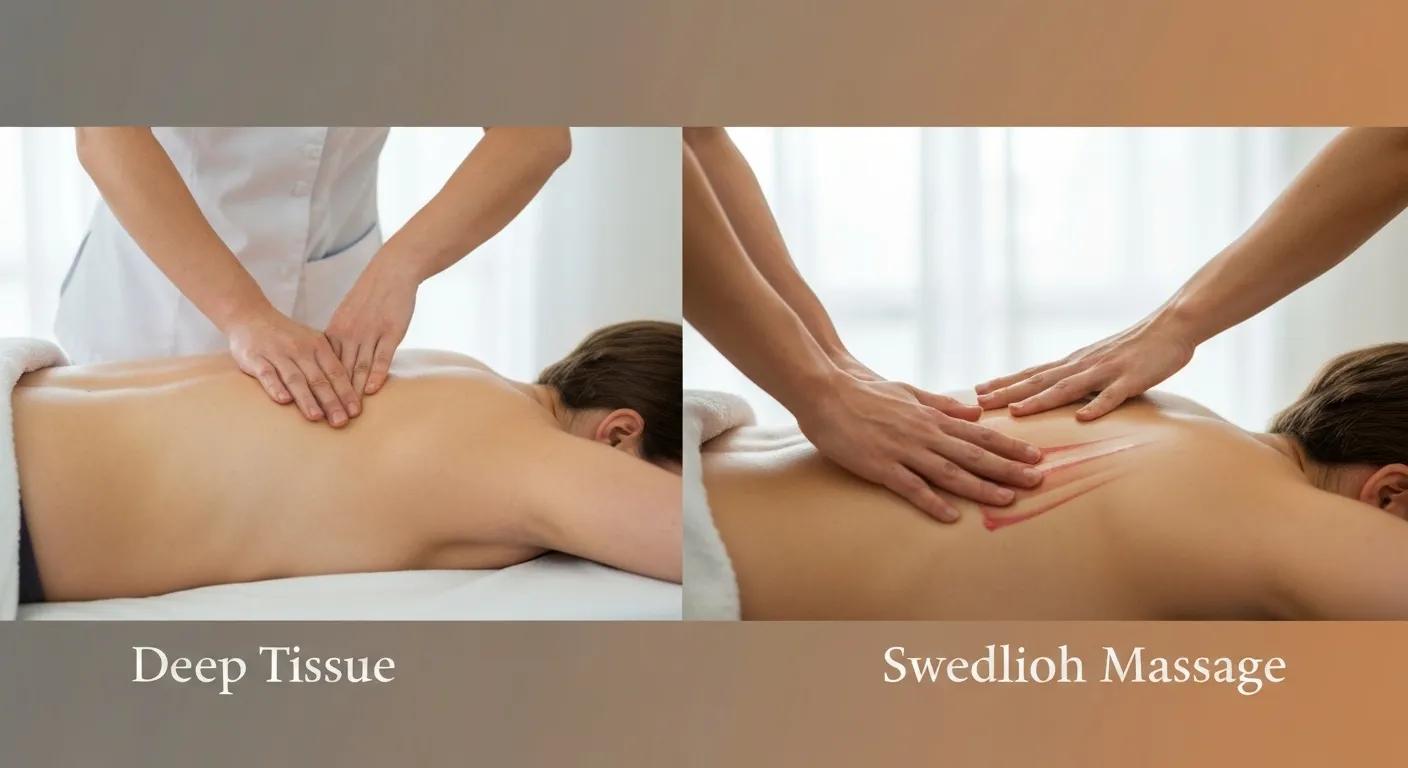
Deep Tissue Massage vs. Regular Massage: Key Differences and Benefits for Your Wellness Journey
Choosing the right massage modality can transform chronic tension into lasting relief and elevate general well-being. Deep tissue massage benefits those with persistent muscle pain by targeting deeper layers, while regular (Swedish) massage supports stress reduction and improved circulation. This article explains how each approach works, compares their techniques and outcomes, helps you match a massage to your goals, highlights complementary therapies at GetWell Northville, and summarizes essential takeaways for your wellness journey.
What Is Deep Tissue Massage and How Does It Work?
Deep tissue massage is a therapeutic technique designed to alleviate chronic muscle tension by applying firm pressure to deeper muscle layers and connective tissue. It improves mobility and reduces stiffness by breaking down adhesions and promoting circulation to targeted areas. Understanding this approach clarifies why it excels in treating specific pain conditions and sets up a comparison with regular massage methods.
Deep Tissue Massage for Chronic Pain
Deep tissue massage is a therapeutic technique designed to alleviate chronic muscle tension by applying firm pressure to deeper muscle layers and connective tissue. This method is particularly effective for conditions rooted in persistent muscle tension and restricted mobility, such as chronic neck and back pain.
This citation supports the article’s claims about the benefits and conditions treated by deep tissue massage.
What techniques are used in deep tissue massage?
Deep tissue massage employs several manual methods to release tension and restore tissue health:
- Friction strokes break down adhesions by moving against the grain of muscle fibers.
- Slow, gliding pressure penetrates deep structures to improve circulation.
- Deep finger and elbow pressure isolates knots and tight bands in muscle tissue.
These techniques work together to relieve chronic pain and promote long-term tissue remodeling, creating a foundation for understanding how regular massage contrasts in style and purpose.
Which conditions does deep tissue massage treat effectively?
Deep tissue massage excels in addressing conditions rooted in persistent muscle tension and restricted mobility:
- Chronic neck and back pain arising from postural imbalances
- Muscle knots and trigger points that resist gentle massage
- Sports injuries and overuse syndromes requiring targeted recovery
By focusing on deeper layers, therapists can ease adhesions that underlie many chronic conditions and prepare clients for further rehabilitative therapies.
How does deep tissue massage target deep muscle layers and connective tissue?
Deep tissue massage targets deep muscle and fascial layers through sustained, concentrated pressure and specialized strokes. This approach:
- Engages fascia to release tension patterns that shallow techniques cannot reach
- Stimulates circulation in hypoxic areas of muscle tissue to accelerate healing
- Encourages tissue remodeling by breaking down scar tissue and realigning fibers
Mastery of these mechanisms empowers therapists to deliver precise relief for chronic pain and stiff joints, paving the way to compare them with relaxation-focused methods.
What Is Regular (Swedish) Massage and What Are Its Benefits?
Regular massage, often called Swedish massage, uses lighter pressure and flowing movements to promote relaxation, reduce stress, and enhance blood flow. It addresses superficial muscle layers and nurtures a general sense of well-being. Exploring these fundamentals prepares you to see how it differs from deeper, remedial techniques.
Swedish Massage for Relaxation and Stress Relief
Regular massage, often called Swedish massage, uses lighter pressure and flowing movements to promote relaxation, reduce stress, and enhance blood flow. It addresses superficial muscle layers and nurtures a general sense of well-being. This approach is often chosen for stress reduction and improved sleep quality.
This citation supports the article’s claims about the benefits of Swedish massage for relaxation and stress relief.
What techniques define regular or Swedish massage?
Regular massage relies on five core techniques to foster calm and circulation:
- Long gliding strokes (effleurage) warm tissues and promote lymphatic drainage.
- Kneading (petrissage) lifts and rolls superficial muscles to ease tension.
- Rhythmic tapping (tapotement) stimulates nerve endings and boosts energy flow.
These gentle methods improve relaxation and circulation without the intensity of deep-tissue work, setting the stage for understanding complementary roles.
How does regular massage promote relaxation and stress relief?
Regular massage promotes relaxation by engaging the parasympathetic nervous system through gentle touch and rhythmic strokes. This process:
- Lowers cortisol levels to reduce stress
- Enhances serotonin and dopamine to uplift mood
- Improves superficial blood flow to deliver nutrients and oxygen
By focusing on surface muscles and general circulation, this approach eases mental tension while preparing clients for deeper modalities if needed.
What common wellness goals does regular massage support?
Regular massage supports a range of general wellness objectives:
- Stress reduction for mental and emotional balance
- Improved sleep quality through nervous system regulation
- Enhanced flexibility by warming and elongating superficial muscle fibers
These broad benefits make Swedish massage a popular choice for those seeking overall relaxation and preventive self-care.
How Do Deep Tissue and Regular Massage Compare? Key Differences Explained
Comparing deep tissue and regular massage reveals contrasts in pressure, technique, and outcomes that align with specific client needs. A clear side-by-side view helps determine which modality aligns best with your wellness objectives.
What are the differences in pressure and technique between deep tissue and regular massage?
Pressure and technique differ dramatically between these modalities:
- Deep Tissue Massage uses intense, sustained pressure and friction strokes to reach deep muscle layers.
- Regular Massage relies on light, flowing effleurage and kneading to soothe superficial tissues.
These contrasts define their primary purposes: one remediates chronic tension, the other fosters relaxation.
How do the benefits of deep tissue massage differ from regular massage?
Key benefits vary by modality:
- Deep tissue massage alleviates chronic pain, breaks down adhesions, and improves deep muscle mobility.
- Regular massage reduces stress hormones, enhances mood, and supports general circulation.
Choosing between them depends on whether pain relief or relaxation is your top priority.
What are the typical sensations and potential side effects of each massage type?
Clients may experience distinct sensations and aftereffects:
- Deep tissue massage can cause tenderness or soreness for 24–48 hours as tissues adapt.
- Regular massage produces warm, relaxed muscles with minimal post-session discomfort.
Awareness of these outcomes helps manage expectations for recovery and comfort.
How do costs and session durations compare between deep tissue and regular massage?
Practical considerations for budgeting and scheduling include:
- Session Duration: Both modalities typically run 60–90 minutes, though deep tissue may require longer for thorough treatment.
- Cost Range: Deep tissue sessions often command premium pricing due to specialized skills, while regular massage rates are moderate.
Understanding these variables streamlines planning for your wellness routine.
Can a comparison table help visualize these differences?
An organized table highlights key contrasts between the two approaches:
This table clarifies each modality’s focus and prepares you for selecting the best option.
Which Massage Is Best for Your Specific Needs? Choosing Between Deep Tissue and Regular Massage
Matching a massage type to your personal goals and tolerance ensures optimal results. Consider your primary objectives, health conditions, and comfort level when deciding.
How do your wellness goals influence the best massage choice?
Your desired outcome guides the modality selection:
- Pain Relief Goal: Opt for deep tissue to address chronic tension and muscle knots.
- Relaxation Goal: Choose regular massage to ease mental stress and improve mood.
- Injury Recovery Goal: Combine deep tissue with rehabilitative therapies for focused healing.
Aligning goals with techniques maximizes therapeutic benefits and client satisfaction.
What health conditions suggest choosing deep tissue or regular massage?
Certain medical or physical factors favor one technique:
- Chronic Musculoskeletal Pain: Deep tissue provides targeted relief for persistent issues.
- General Stress or Anxiety: Regular massage supports mental calm and hormone balance.
- Post-Surgical or Sensitive Populations: Light pressure of Swedish massage is gentler and safer.
Knowing the implications of each condition ensures safe and effective treatment.
How does your tolerance for pressure affect your massage preference?
Personal comfort with pressure intensity determines suitability:
- High Tolerance: Deep tissue can be highly effective for those comfortable with firm work.
- Low Tolerance: Regular massage offers gentle touch and minimal discomfort.
- Moderate Tolerance: A blended or gradual approach can introduce deeper work over multiple sessions.
Assessing pressure preference upfront leads to a positive massage experience.
How Does GetWell Northville Integrate Deep Tissue and Complementary Therapies for Holistic Healing?
GetWell Northville pairs deep tissue massage with advanced modalities to deliver comprehensive care for back pain, injuries, and long-term wellness. These integrative methods enhance results and support lasting recovery.
How does decompression therapy complement deep tissue massage for back pain?
Decompression therapy gently stretches the spine to relieve nerve pressure and create space between vertebrae. When combined with deep tissue massage, this sequence:
- Reduces spinal compression to alleviate disc-related discomfort
- Enhances muscle release by preparing tissues through targeted pressure
- Promotes nutrient flow into spinal structures for ongoing healing
This holistic protocol merges mechanical relief with manual therapy for superior back pain management.
What role does cold laser therapy play in muscle recovery alongside massage?
Cold laser therapy uses low-level light to stimulate cellular repair, reduce inflammation, and accelerate tissue regeneration. In tandem with deep tissue massage, it:
- Amplifies healing signals in muscle fibers stressed by manual work
- Minimizes inflammation to decrease post-massage soreness
- Boosts mitochondrial activity for faster recovery
Combining these modalities creates a synergistic environment for tissue repair and functional improvement.
Why choose GetWell Northville for your massage and wellness needs in Northville, Michigan?
GetWell Northville stands out through:
- Certified therapists skilled in both remedial and relaxation techniques
- Custom treatment plans tailored to each client’s health history and goals
- Local expertise in Decompression Therapy and Cold Laser Therapy
- Patient-centered care focused on natural, non-invasive solutions
These qualities build trust and ensure that every session supports your path to long-term wellness.
What Are the Most Common Questions About Deep Tissue vs. Regular Massage?
Direct answers to key concerns help you make an informed choice without guesswork. Below are clear explanations for questions that often arise when comparing these massage modalities.
Is deep tissue massage better than regular massage for back pain?
Deep tissue massage excels in relieving chronic back pain because it targets deep muscle layers and connective tissue where adhesions form. Regular massage soothes surface tension but may not reach the underlying sources of persistent pain.
Does deep tissue massage hurt more than regular massage?
Deep tissue sessions can feel intense or slightly uncomfortable as therapists work through muscle knots. This controlled discomfort leads to long-term relief. Regular massage uses gentle, flowing strokes to minimize any soreness during or after the session.
How often should you get a deep tissue massage compared to regular massage?
For chronic pain management, a deep tissue session every 2–4 weeks allows tissues to heal and adapt. Regular massage for relaxation can be scheduled weekly or biweekly to maintain stress reduction and circulation benefits.
Which massage is better for relaxation: deep tissue or Swedish?
Swedish massage (regular massage) is specifically designed for relaxation, using soft pressure and soothing strokes. Deep tissue focuses on deep-seated tension and may not provide the same calming experience during the session.
What Are the Key Takeaways When Comparing Deep Tissue and Regular Massage?
Recognizing each modality’s strengths and uses helps you select the most appropriate therapy for your health and comfort levels. Understanding these core differences empowers better decisions and more satisfying outcomes.
What should you remember about the benefits and differences of each massage type?
- Targets deep muscle layers to relieve chronic pain
- Employs friction strokes and firm pressure
- May cause temporary soreness for lasting mobility gains
Regular (Swedish) massage:
- Uses gentle, flowing techniques to reduce stress
- Improves superficial circulation and mood
- Leaves clients feeling relaxed with minimal aftereffects
How can you book a consultation or session at GetWell Northville?
To schedule your personalized massage or holistic therapy session at GetWell Northville, call our clinic or visit our online scheduling platform. Our team will tailor a plan that aligns with your wellness goals and comfort preferences.
Choosing the right massage type brings you closer to pain-free movement or deep relaxation. Whether you need targeted relief with deep tissue techniques or general stress reduction through Swedish massage, GetWell Northville’s skilled therapists are ready to support your healing journey.
Frequently Asked Questions
What is the ideal frequency for regular massage sessions?
The ideal frequency for regular massage sessions varies based on individual needs and wellness goals. For general stress relief and relaxation, many people benefit from weekly or biweekly sessions. This regularity helps maintain a state of relaxation and can improve overall mood and well-being. However, if you are managing specific issues like anxiety or chronic stress, more frequent sessions may be necessary initially, tapering off as you achieve your desired results.
Can deep tissue massage be beneficial for mental health?
Yes, deep tissue massage can have positive effects on mental health. By alleviating chronic pain and muscle tension, it can reduce stress and anxiety levels. The release of endorphins during the massage can also enhance mood and promote a sense of well-being. Additionally, the focused attention on problem areas can provide a sense of relief and empowerment, contributing to improved mental clarity and emotional balance.
How do I choose the right massage therapist for my needs?
Choosing the right massage therapist involves considering their qualifications, experience, and specialization. Look for licensed therapists with training in the specific type of massage you seek, whether it’s deep tissue or regular massage. Reading reviews and asking for recommendations can also help. During your initial consultation, discuss your goals and any health concerns to ensure the therapist’s approach aligns with your needs and comfort level.
Are there any specific aftercare tips following a regular massage?
After a regular massage, it’s important to take care of your body to maximize benefits. Stay hydrated to help flush out toxins released during the session. Gentle stretching can enhance flexibility and maintain the relaxation achieved. Avoid strenuous activities for the rest of the day to allow your body to recover. If you experience any discomfort, applying a warm compress can soothe sore muscles and enhance relaxation.
What should I communicate to my therapist before a session?
Before a massage session, it’s crucial to communicate openly with your therapist about your specific needs and concerns. Discuss any areas of tension, pain levels, and your comfort with pressure. Inform them of any medical conditions, allergies, or recent injuries that may affect the massage. This information helps the therapist tailor the session to your preferences and ensures a safe and effective experience.
Can I receive a massage if I am pregnant?
Yes, pregnant individuals can benefit from massage, but it’s essential to seek a therapist trained in prenatal massage. This specialized approach focuses on the unique needs of pregnant clients, ensuring safety and comfort. Prenatal massage can help alleviate common discomforts such as back pain, swelling, and stress. Always consult with your healthcare provider before scheduling a massage during pregnancy to ensure it is appropriate for your specific situation.
Choosing between deep tissue and regular massage can significantly impact your wellness journey, addressing either chronic pain or stress relief effectively. Understanding the unique benefits of each modality empowers you to make informed decisions tailored to your specific needs. Explore our range of massage services at GetWell Northville to find the perfect fit for your health goals. Start your path to enhanced well-being today by scheduling your session with our skilled therapists.