Why Massage Therapy Matters for Your Health in Northville
If you’re searching for massage northville mi, you’re taking a positive step toward prioritizing your well-being. Whether you’re dealing with chronic back pain, recovering from an injury, or simply need stress relief, massage therapy offers proven benefits for your physical and mental health. Research shows that regular therapeutic massage can help reduce muscle tension, improve circulation, support the immune system, and significantly decrease stress levels.
At Get Well Chiropractic, we’ve seen how transformative massage can be, especially when integrated with our holistic approach to wellness. We believe in providing not just a service, but a pathway to a healthier, more comfortable life. Our experienced, licensed massage therapists are dedicated to providing personalized care in a comfortable and professional environment.
Finding the right massage therapist means understanding different techniques, knowing what to expect for pricing, and choosing a provider with proper qualifications. Licensed massage therapists in Michigan complete extensive training and certification to ensure safe, effective treatment.
This guide will help you understand popular massage modalities and make an informed decision about how massage therapy at our Northville clinic can help you achieve your wellness goals.
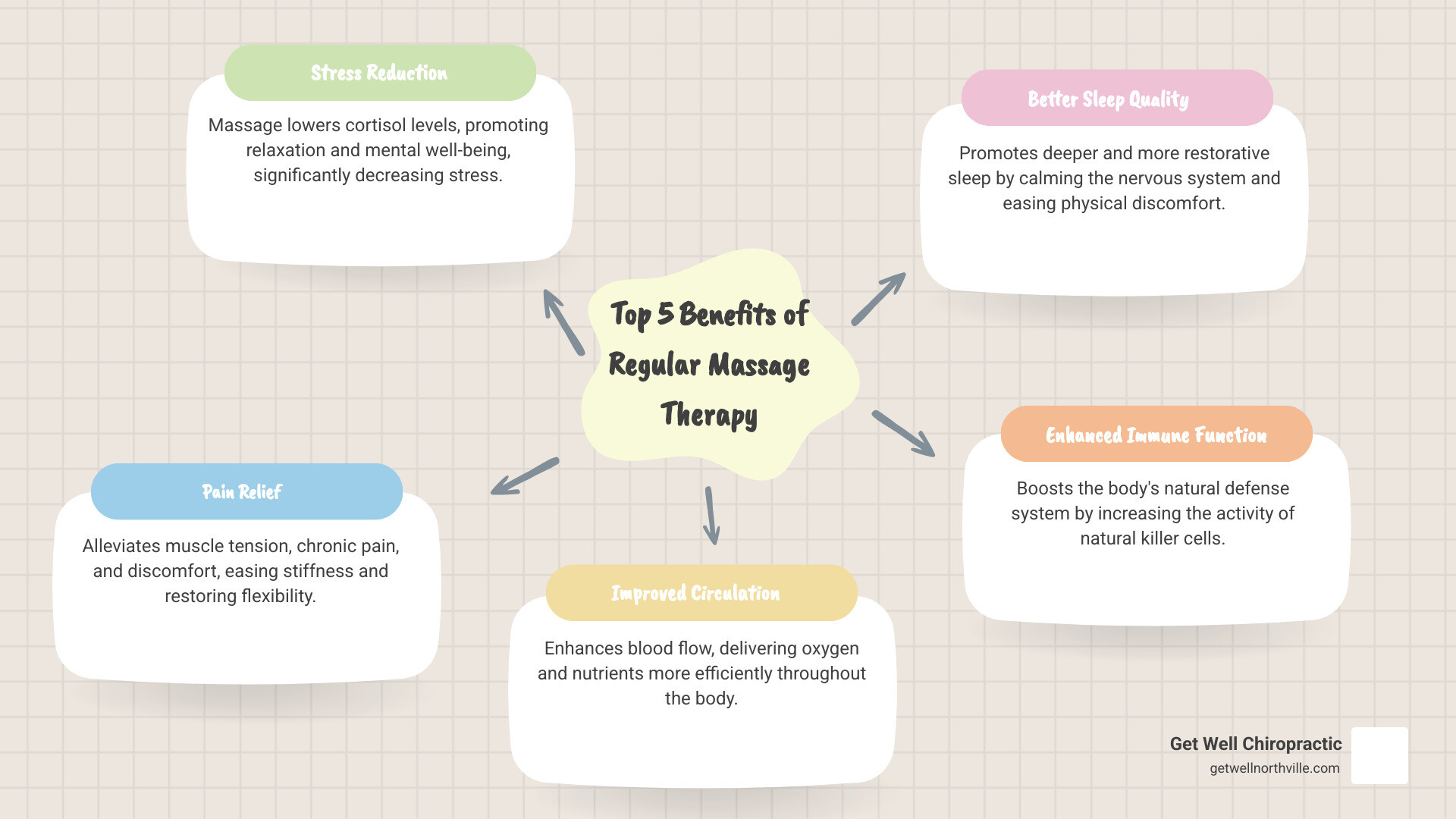
The Proven Health & Wellness Benefits of Massage
Massage therapy isn’t just a luxurious treat; it’s a powerful tool for enhancing your overall health and well-being. At Get Well Chiropractic, we understand that a balanced body leads to a balanced life. That’s why we champion the incredible, evidence-based benefits that regular massage can bring.
One of the most immediate and widely appreciated benefits is muscle tension relief. Whether from daily stress, poor posture, or strenuous activity, our muscles can hold a surprising amount of tension. Massage works to release these knots, easing stiffness and restoring flexibility. Think of it as hitting the reset button for your body’s physical stress.
Beyond the physical, massage is a fantastic antidote to modern life’s pressures, offering significant stress reduction. The calming touch and focused environment of a massage session help lower cortisol levels, promoting a state of deep relaxation. This isn’t just about feeling good; it contributes to improved mental clarity and emotional resilience.
Improved physical function also comes with improved circulation. Massage techniques stimulate blood flow, ensuring that oxygen and nutrients reach your tissues more efficiently while helping to flush out metabolic wastes and toxins. This improved circulation can contribute to quicker recovery from muscular strain and an overall healthier system.
For those struggling with sleepless nights, massage can be a godsend. By reducing stress and easing physical discomfort, it naturally leads to improved sleep quality. When your body is relaxed and free from nagging aches, falling asleep and staying asleep becomes much easier.
Increased mobility is another key benefit, especially for individuals with limited range of motion. Regular massage helps stretch and loosen tight muscles and connective tissues, allowing for greater flexibility and ease of movement. This is crucial for maintaining an active lifestyle and preventing injuries.
Perhaps one of the most sought-after benefits is pain management. Massage therapy can be an effective, drug-free alternative for alleviating chronic symptoms. It works by targeting the source of pain, releasing pressure on nerves, and promoting the body’s natural healing processes. We dig deeper into how these techniques work to provide relief in our article on How Massage Therapy Techniques Alleviate Pain.
Furthermore, research indicates that regular therapeutic massage can actually contribute to a strengthened immune system response. By improving lymphatic flow, massage helps the body’s natural defense system function more effectively, making you less susceptible to illness.
Finally, for many, the recurring throbs of tension headaches and migraines are a significant burden. Massage, particularly focused on the neck, shoulders, and scalp, can provide substantial headache relief by releasing muscle contractions that often trigger these pains.
At Get Well Chiropractic, we believe that integrating therapeutic massage into your wellness routine is a powerful step towards a healthier, happier you. It’s a holistic approach that supports your body’s innate ability to heal and thrive.
A Guide to Popular Massage Modalities at Get Well Chiropractic
Choosing the right massage can feel a bit like picking a flavor of ice cream – so many options, but which one will truly hit the spot? At Get Well Chiropractic, our goal is to help you understand the different techniques available so you can make an informed choice that best suits your needs. Our licensed massage therapists are experts at understanding techniques and are dedicated to ensuring your client comfort and effective communication with your therapist throughout your session.

Whether you’re seeking deep relaxation, targeted relief within a wellness plan, or specialized therapeutic care, we will work with you to select the modality that best aligns with your goals and overall care recommendations from your licensed providers.
Common Types of Massage Offered
Let’s explore some of the most frequently requested and widely used massage modalities we offer or integrate into our care. The potential benefits described below are general in nature; individual results and responses can vary, and massage therapy is not a substitute for appropriate medical evaluation and treatment.
-
Swedish Massage: Often considered the most popular and familiar massage method, Swedish massage uses a variety of techniques designed to affect the nerves, muscles, glands, and circulation, supporting overall comfort and relaxation. It typically involves long, flowing strokes, kneading, circular movements, and tapping, often with massage oil or cream. Its main purposes can include increasing oxygen flow in the blood, encouraging the release of tension in the muscles, and supporting recovery after everyday muscular strain. If you’re new to massage or looking for general relaxation and stress management as part of a healthy lifestyle, Swedish massage is a common starting point.
-
Deep Tissue Massage: This technique focuses on the deeper layers of muscle tissue and connective tissue. It aims to address long-standing patterns of tightness through slow strokes and more focused pressure on specific areas, either following or going across the muscle fibers, tendons, and fascia. The intent is to help “unstick” muscle fibers and release tension patterns, while working to relax and soothe the tissue. Deep tissue massage is often used for long‑standing areas of tightness, muscle adhesions, and concerns such as neck and lower back discomfort. To understand more about general considerations and potential benefits, you can also review background information on massage along with our insights on Embrace Deep Tissue Massage Benefits for Holistic Health.
-
Hot Stone Massage: This modality incorporates smooth, heated stones placed on specific points on the body. The heat from the stones helps to warm and relax tight-feeling muscles, allowing the therapist to apply pressure with less perceived discomfort for many clients. It is widely known for its calming qualities and is frequently chosen by people seeking a deeply relaxing experience.
-
Sports Massage: Often selected by athletes and active individuals, sports massage is typically directed at muscles that are used repeatedly in specific sports or activities. It frequently uses shorter strokes and more focused pressure to work with deeper layers of muscles and connective tissue. This type of massage is commonly included as part of an overall approach intended to prepare muscles for activity, support recovery after exertion, and help address movement-related discomfort. For those who are regularly active, our guide on Deep Dive into Relief: Your Guide to Athletic Deep Tissue Massage provides additional educational insights.
-
Trigger Point Therapy: This technique involves applying sustained pressure to specific “trigger points” – localized spots within skeletal muscle that can feel especially tight or tender. These points may in some cases be associated with discomfort that is felt in other areas of the body. Trigger point therapy aims to release these points to reduce local and referred discomfort and to support more normal-feeling muscle function. This approach is often selected for persistent muscular tightness and stiffness.
-
Myofascial Release: This gentle, sustained pressure technique focuses on the myofascial connective tissue that surrounds and supports muscles, bones, and organs. Myofascial release works to address restrictions in the fascia that may be associated with trauma, inflammation, or surgical procedures. It is frequently used as part of a broader plan to support comfort and range of motion.
Specialized Therapeutic Massages Available
Beyond the common modalities, our therapists are trained in specialized therapeutic massages that may address more specific concerns. These services are provided within the scope of practice for massage therapists in Michigan and are not intended to diagnose or treat medical conditions. We encourage you to consult with your physician or other licensed healthcare provider regarding any underlying health issues.
-
Prenatal Massage: Designed to meet the specific needs of many expecting mothers, prenatal massage can help reduce everyday stress, promote relaxation, and address some of the normal physical discomforts associated with pregnancy. Therapists use specially designed tables, cushions, and side-lying postures to help support safety and comfort. Reported benefits can include a sense of reduced swelling, eased stress on weight-bearing joints, and general relaxation. Clients who are pregnant should consult with their obstetric provider before scheduling massage.
-
Lymphatic Drainage: This gentle, rhythmic massage technique is intended to encourage the natural movement of lymph, which helps carry waste products away from the tissues and back toward the heart. Manual lymphatic drainage (MLD) is frequently recommended by healthcare providers in specific situations, such as after certain surgeries, to assist with swelling and comfort as part of an overall plan of care. It may also support a sense of improved fluid balance. If you have a medical condition affecting your lymphatic system, be sure to discuss massage with your physician first.
-
Cranio-Sacral Therapy: This is a light-touch, hands-on method focused on the craniosacral system – the membranes and fluid that surround and protect the brain and spinal cord. Practitioners use gentle techniques to work with perceived tensions in this system with the goal of improving overall comfort and function. Cranio-sacral therapy is considered a complementary approach and should not be viewed as a replacement for appropriate medical or chiropractic evaluation.
-
Reflexology: This traditional practice involves applying pressure to specific points on the feet, and sometimes the hands or ears, that are believed to correspond to different organs and systems of the body. By stimulating these reflex points, practitioners aim to support overall relaxation and well-being. Reflexology is a non-invasive option that many people choose as part of a broader wellness routine. For insights into how massage can be incorporated to address localized concerns such as wrist and hand discomfort, you might find our article on Unknotting Carpal Tunnel: Massage Moves That Make a Difference helpful.
To help you differentiate between two of the most common types, here’s a quick comparison. This table is for general informational purposes only and is not intended as individualized health advice:
| Feature | Swedish Massage | Deep Tissue Massage |
|---|---|---|
| Typical Pressure | Light to medium, focused on overall comfort and relaxation | Medium to firm, focused on specific areas of long‑standing tightness |
| Primary Goals | General relaxation, stress management, support for circulation and well‑being | Address chronic tension patterns, muscle adhesions, and focused problem areas |
| Best Use Cases | First‑time massage, overall stress relief, routine wellness care | Long‑standing areas of discomfort, activity‑related tightness, targeted work |
Frequently Asked Questions about Massage Therapy
We often hear similar questions from our clients who are new to massage therapy or exploring different options. Here are some of the most common inquiries, answered to help you feel more confident about your next session.
What is the difference between a Swedish and a deep tissue massage?
This is a popular question, and understanding the distinction is key to choosing the right massage for your needs.
Swedish massage is primarily focused on relaxation and improving circulation. It employs a variety of techniques, including long, gliding strokes (effleurage), kneading (petrissage), friction, tapping (tapotement), and vibration. The pressure is generally lighter to medium, aiming to affect nerves, muscles, glands, and circulation, promoting health and relaxation. It’s excellent for stress relief, increasing oxygen flow in the blood, and flushing out metabolic wastes like lactic acid. If you’re looking for a gentle, soothing experience to unwind and reduce overall tension, Swedish massage is often the best choice.
Deep tissue massage, on the other hand, is designed to address chronic patterns of tension and pain that lie deeper within the muscle and connective tissue layers. The therapist uses slower, more forceful strokes and sustained deep finger pressure on contracted areas. The goal is to “unstick” muscle fibers, release deeply-held tension patterns, remove toxins, and alleviate chronic pain often associated with injuries, muscle adhesions, or poor posture. While it can be relaxing, the primary aim is therapeutic and corrective, which might lead to some discomfort during the session, and potentially mild soreness afterward. For a more detailed comparison, our article Deep Tissue Massage vs. Regular Massage: Key Differences offers further insights.
Think of it this way: Swedish massage is like a gentle rain washing away surface dust, while deep tissue massage is like a focused cleaning that gets into every nook and cranny to remove stubborn grime. Both are beneficial, just for different purposes!
How often should I get a massage?
The ideal frequency of massage therapy largely depends on your individual goals and health needs. There’s no one-size-fits-all answer, as what works for one person might not be ideal for another.
- For general wellness and stress reduction: If your primary goal is relaxation and maintaining overall well-being, a massage once a month is a common and effective frequency. This regular maintenance helps keep stress levels in check, prevents tension from building up, and supports your body’s natural balance.
- For chronic pain or injury recovery: If you’re dealing with persistent pain, recovering from an injury, or managing a specific condition like sciatica or severe muscle stiffness, your therapist might recommend more frequent sessions. This could mean weekly or bi-weekly appointments initially, gradually reducing the frequency as your condition improves. In these cases, massage therapy is often part of a broader treatment plan, potentially alongside chiropractic care or physical therapy.
Your massage therapist at Get Well Chiropractic will be able to provide personalized recommendations based on your initial consultation and how your body responds to treatment. We encourage open communication about your progress and goals so we can tailor a plan that works best for you.
What should I do to prepare for my massage appointment?
Preparing for your massage session can improve its effectiveness and ensure you get the most out of your experience. Here are a few simple steps we recommend:
- Arrive hydrated: Drinking plenty of water before your massage helps your muscles remain pliable and can aid in flushing out toxins that are released during the session.
- Avoid a large meal beforehand: While it’s good not to be ravenously hungry, a heavy meal right before your massage might cause discomfort, especially if you’re lying on your stomach or receiving abdominal work. A light snack a couple of hours prior is usually fine.
- Be ready to discuss your health history and goals with your therapist: Before your session begins, your therapist will typically conduct a brief consultation. This is your opportunity to communicate any specific areas of concern (e.g., a tight shoulder, lower back pain), medical conditions, allergies, or preferences regarding pressure. The more information you provide, the better your therapist can customize the massage to your needs.
- Wear comfortable clothing: You’ll want to wear loose-fitting, comfortable, and casual clothing to your appointment. While you’ll typically undress to your comfort level for the massage itself (and will always be professionally draped), comfortable clothes for before and after the session will help you feel more at ease.
By taking these small steps, you’ll set yourself up for a truly relaxing and beneficial massage northville mi experience.
Conclusion: Your Path to Wellness in Northville
Starting on a journey of self-care and holistic health is an investment in your long-term well-being. Finding quality massage therapy in Northville, MI, is one way to support goals ranging from deep relaxation to more targeted therapeutic work within a broader wellness plan. Throughout this guide, we have discussed commonly reported benefits of massage – including easing muscle tension, managing everyday stress, supporting circulation, and promoting more restful sleep. We have also reviewed the various modalities available, helping you see the differences between a soothing Swedish massage and more focused deep tissue work, along with specialized options like lymphatic drainage and prenatal massage.
Choosing the right provider means considering therapist qualifications, transparent pricing, and convenient booking options. At Get Well Chiropractic, we focus on expert, personalized care delivered by licensed and experienced therapists. Our approach emphasizes comfortable, honest, and compassionate service centered on natural methods and long-term wellness.
We also believe in the value of integrating massage with chiropractic care when appropriate, as part of a coordinated plan developed with licensed healthcare professionals. Working with both the muscular and structural components of the body can contribute to a more comprehensive approach to many musculoskeletal concerns. Massage therapy is a supportive modality and is not a substitute for medical diagnosis or treatment; we encourage you to consult your physician or other licensed provider about any specific health conditions or symptoms.
If you are interested in exploring how massage may fit into your wellness routine, we would be happy to discuss options, answer your questions, and help you plan next steps that align with your goals.
Are you ready to experience professional massage therapy in a comfortable, caring setting? Begin your journey to wellness with expert massage therapy at Get Well Chiropractic in Northville, MI.

