Spinal Decompression Therapy in Northville, MI: Who Is a Candidate for the DRX9000?
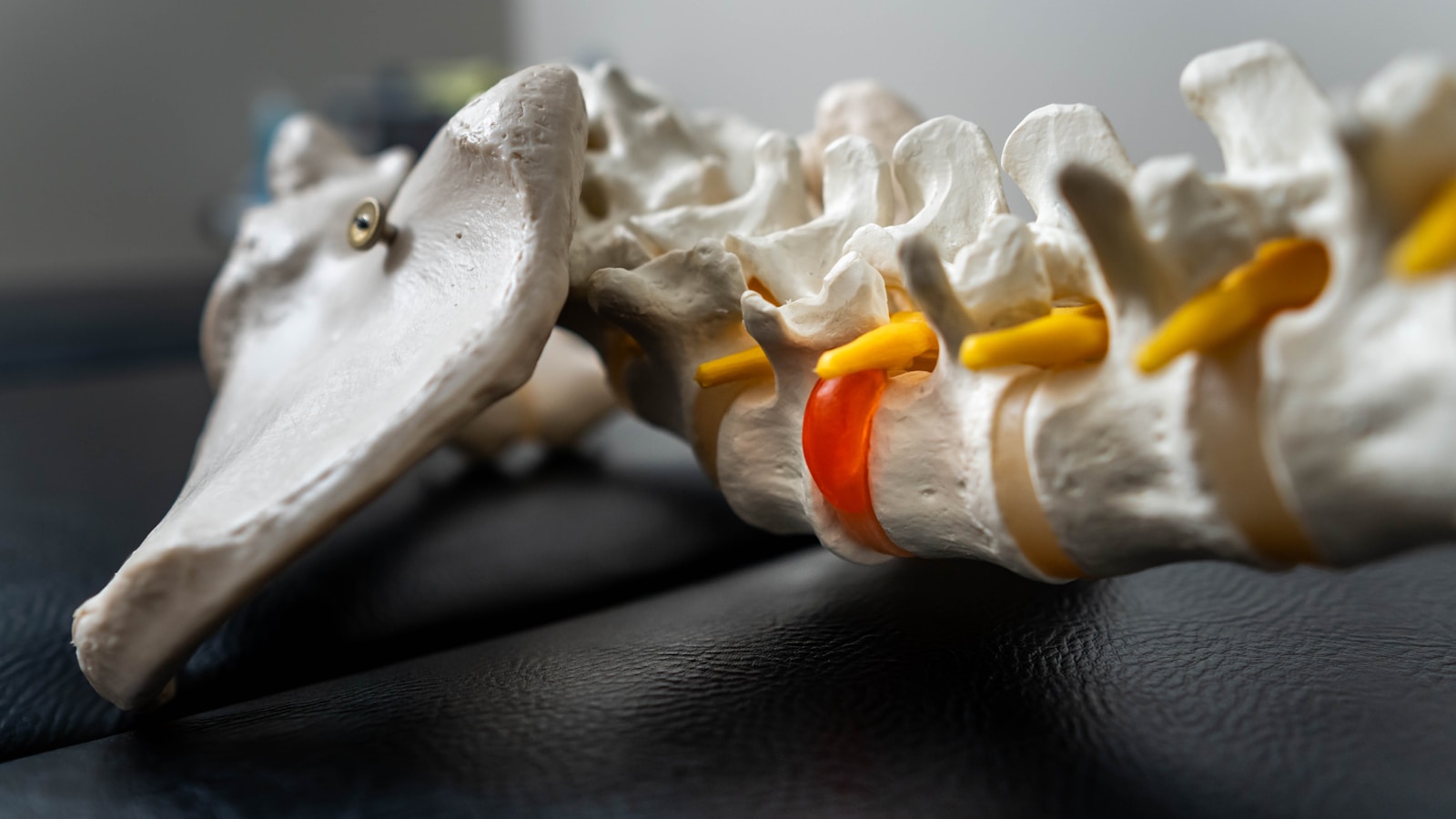
Non-surgical spinal decompression with the DRX9000 is one of the most targeted interventions available for patients with lumbar disc herniations, bulging discs, and degenerative disc disease who haven't found adequate relief through chiropractic adjustments, physical therapy, or rest alone. At Get Well Chiropractic of Northville, the DRX9000 is one of the core treatment tools we use for these specific conditions — not as a replacement for other care, but because the physics of mechanical disc decompression address something that hands-on treatment and exercise alone can't reach as directly: intradiscal pressure and disc height.
What the DRX9000 Does — and How It Works
The DRX9000 is an FDA-cleared spinal decompression device that applies precisely controlled, computer-monitored traction forces to the lumbar spine. Unlike traditional traction — which applies a sustained linear pull — the DRX9000 alternates between distraction and relaxation phases at specific intervals, which matters for two reasons. First, it prevents the paraspinal muscles from reflexively contracting against the pull (which limits the therapeutic effect of standard traction). Second, the decompression force creates a negative intradiscal pressure gradient — a suction effect inside the disc — that draws herniated or bulging disc material back toward the nucleus and promotes the imbibition of water, oxygen, and nutrients into a disc that has been compressed and starved of fluid.
A 2010 retrospective cohort study published in BMC Musculoskeletal Disorders — one of the most cited studies of DRX9000 outcomes — followed 30 patients with chronic low back pain from lumbar disc herniation through a six-week treatment protocol. Pain scores on the Visual Analogue Scale decreased from 6.2 to 1.6 (a 74% reduction), and disc height — measured on MRI — increased from an average of 7.5 mm to 8.8 mm. The correlation between disc height restoration and pain reduction was statistically significant, suggesting that mechanical decompression produced measurable structural change, not just symptomatic relief.
A more recent randomized controlled trial published in the Journal of Physical Therapy Science (2019) directly compared the DRX9000 against conventional motorized traction in 48 patients with lumbar disc herniation over 20 treatment sessions. The DRX9000 group showed statistically greater improvements in pain, functional ability, and quality-of-life measures compared to the conventional traction group.
The Conditions the DRX9000 Addresses
According to the National Institutes of Health StatPearls database, lumbar disc herniation affects 5 to 20 people per 1,000 adults annually — and the lifetime prevalence of low back pain overall is approximately 80%, with disc disorders representing the most common identifiable cause in working-age adults. Despite this prevalence, surgical intervention is appropriate for only a subset of patients. The DRX9000 is designed for non-surgical candidates — patients whose condition has a mechanical component but who have not progressed to cases requiring immediate surgery.
At Get Well Chiropractic, we use the DRX9000 most frequently with patients presenting:
- Lumbar disc herniation — particularly L4-L5 and L5-S1 herniations producing lower back pain with or without radiating leg symptoms
- Bulging discs — disc material that has shifted outward but not fully herniated, creating pressure on nearby nerves
- Degenerative disc disease — disc height loss from age-related dehydration, which reduces the cushioning between vertebrae and increases facet joint load
- Posterior facet syndrome — inflammation of the facet joints secondary to disc height reduction and altered spinal mechanics
- Sciatica with a discogenic source — nerve irritation originating from disc pressure on lumbar nerve roots, not from a piriformis or SI joint source
Who Is a Good Candidate
Candidacy for DRX9000 treatment is determined at your first consultation, and it depends on more than just the diagnosis. The factors that make someone a strong candidate:
- A confirmed disc diagnosis — ideally with MRI documentation showing herniation, bulge, or disc height reduction at a specific level
- Symptom presentation consistent with a disc-origin pain pattern (central low back pain, leg pain following a dermatomal pattern, pain that increases with sitting or forward bending, relief with walking)
- No prior lumbar fusion surgery at the affected level (spinal fusion hardware at the target level is a contraindication)
- No severe osteoporosis, fracture, or spinal instability
- No acute disc sequestration (where a fragment of disc material has completely broken away) requiring surgical removal
- No active malignancy affecting the spine
Patients who have had prior non-fusion lumbar surgery (such as a microdiscectomy) and who are experiencing recurrent symptoms are sometimes candidates, depending on the specifics — this is evaluated case by case.
What a DRX9000 Treatment Course Looks Like
Dr. James Weinstein, the principal investigator of the landmark SPORT (Spine Patient Outcomes Research Trial), published in JAMA (2006) that non-surgical care for lumbar disc herniation — when applied consistently — produces outcomes that are comparable to surgical intervention for the majority of patients over a two-year follow-up, with the advantage of avoiding surgical risk. The implication for patients considering the DRX9000 is that a committed, consistent course of non-surgical care is worth completing before surgical evaluation, assuming there are no emergency neurological indicators present.
At Get Well Chiropractic of Northville, a typical DRX9000 protocol consists of:
- 20 sessions over six weeks (the protocol used in published clinical research), typically three times per week in the first three weeks tapering to two times per week
- Adjunct therapies integrated with decompression based on the patient's presentation — cold laser, PEMF, or heat application to the target segment
- Chiropractic adjustments to address any segmental restrictions above or below the treated disc that are contributing to loading patterns
- Home exercise guidance targeting core stabilization and hip mobility, which reduces the spinal load that contributed to the disc injury
Most patients notice meaningful improvement in pain and mobility within the first 6–10 sessions. The full protocol is important because disc healing takes time — initial pain relief often precedes the tissue-level changes we're working toward.
What to Expect at Your First Consultation
We begin with a full history and examination — including any existing imaging you have — and determine whether DRX9000 is the right tool for your specific condition, or whether a different treatment approach is more appropriate first. If you have not had an MRI and we believe one would inform the treatment plan, we'll discuss the appropriate next step. The goal is to match the right intervention to the right patient, not to apply the DRX9000 to every patient with back pain.
If you're in Northville, Novi, Plymouth, or Livonia and dealing with disc-related back or leg pain that hasn't responded to other treatment, contact us to schedule a consultation and find out whether spinal decompression is right for your situation.
FAQ
Is DRX9000 spinal decompression covered by insurance?
Coverage varies significantly by carrier and plan. Many health insurance plans cover spinal decompression as a non-surgical treatment for herniated or bulging discs, while some do not. We verify benefits before beginning treatment so you know your coverage position going in. Medicare, Blue Cross Blue Shield plans, and most major commercial carriers typically require a documented diagnosis and prior conservative care attempts. We'll clarify your specific coverage at the consultation.
How is DRX9000 different from regular spinal traction?
Traditional traction applies a sustained linear pull. The DRX9000 uses a computer-controlled protocol of alternating distraction and relaxation cycles at specific angles and forces, customized to the patient's target disc level. This cyclic pattern prevents the paraspinal muscle reflex that limits traction's effectiveness, and the angle of pull is directed specifically at the affected disc segment. The result is more targeted decompression of the specific disc being treated, rather than generalized traction across the whole lumbar spine.
How long does it take to feel results?
Many patients notice improvement in pain and movement within the first 6–10 sessions. The full protocol is 20 sessions over six weeks, and completing the full course produces more durable results than stopping early when initial pain relief arrives. Disc healing continues after the protocol ends — the tissue-level restoration work is not finished the moment you feel better.
Can I get DRX9000 treatment if I've had back surgery?
It depends on the type of surgery. Prior lumbar fusion at the target disc level is a contraindication — the hardware and fused segment cannot be safely decompressed. Patients who have had a microdiscectomy or laminectomy without fusion may be candidates, evaluated case by case based on what was done and what the current MRI shows. Bring your surgical records and any post-operative imaging to your consultation.
Does the DRX9000 procedure hurt?
Most patients find the DRX9000 session comfortable or even relaxing. The device applies gentle, progressive distraction — not a sudden force. Some patients with acute disc herniations experience mild discomfort in the first few sessions as the disc adjusts; this typically resolves as treatment progresses. The sessions last 30–45 minutes, and most patients leave feeling less compressed than when they arrived.
The information provided in this article is for educational purposes only and does not constitute medical advice, diagnosis, or a treatment recommendation for any specific condition. If you are experiencing back or leg pain, please consult a licensed healthcare provider for an individualized evaluation.