Massage Therapy in Northville, MI: Clinical Relief for Pain, Tension, and Recovery

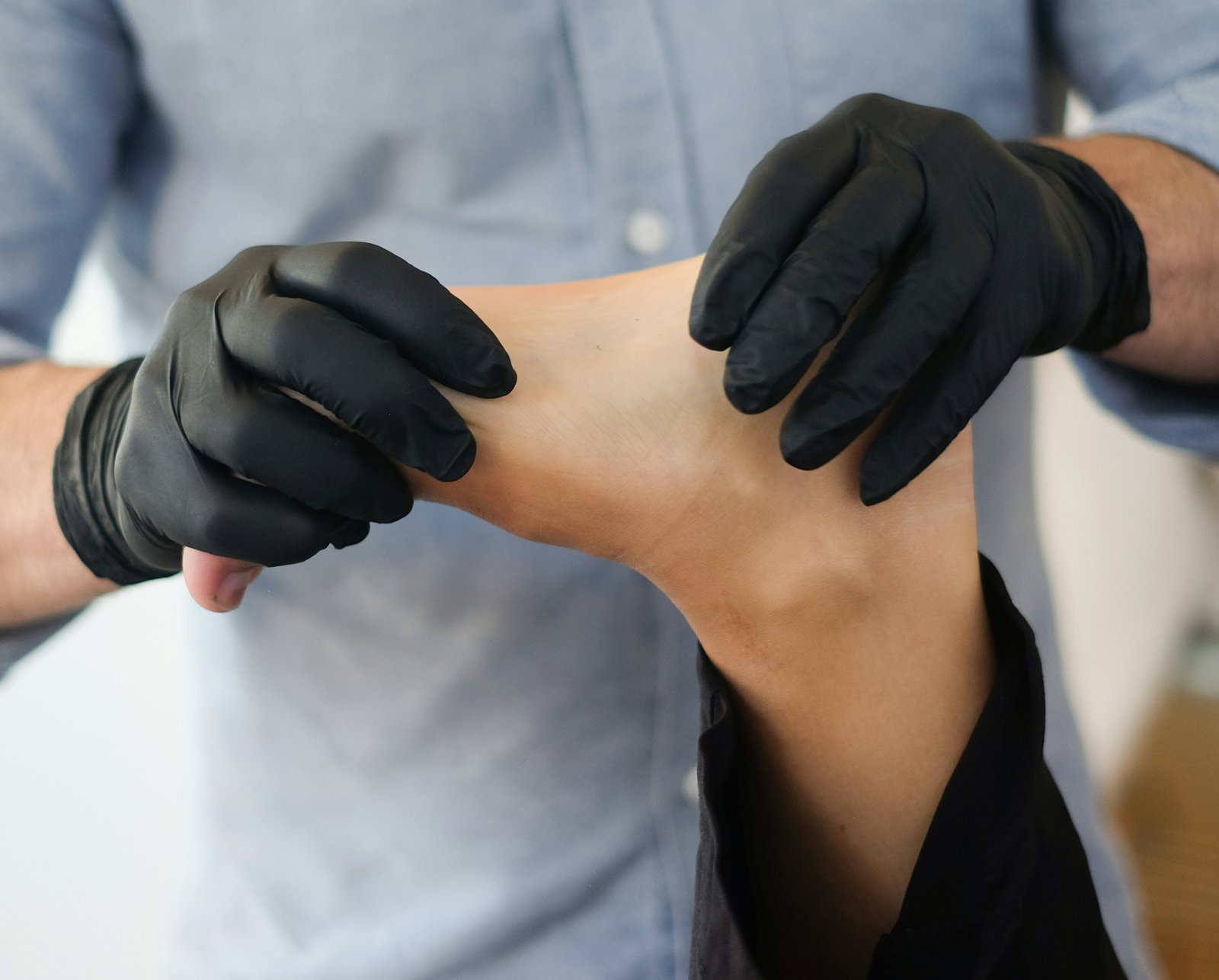
Massage therapy at Get Well Chiropractic in Northville is not a spa service — it is a clinical tool performed by licensed massage therapists who work alongside Dr. Stacie Ford to address the root of your pain, not just its surface. If you are dealing with chronic neck or back pain, limited range of motion, sports injuries, or the accumulated tension from long hours at a desk or behind the wheel, therapeutic massage is one of the most direct and well-supported tools available for relief.
The core mechanism is straightforward. Soft tissue — muscle, fascia, and connective tissue — responds to sustained compressive and stretching forces by releasing tension, improving local blood flow, and reducing the inflammatory mediators that make pain self-reinforcing. When that release happens in coordination with chiropractic adjustments, the joints stay mobile longer and the muscles stop pulling them back out of alignment.
What the Research Shows
Therapeutic massage has one of the most consistent evidence records of any manual therapy for musculoskeletal pain. According to the National Center for Complementary and Integrative Health (NCCIH), 10.9% of U.S. adults used massage therapy in 2022, more than double the 4.8% rate measured in 2002 — a reflection of both growing consumer awareness and a steady accumulation of clinical evidence.
For neck and shoulder pain specifically, a review of 12 studies involving 757 participants found massage more helpful than inactive therapies, and a separate review of 4 U.S. studies with 519 participants indicated it could provide meaningful short-term relief of neck pain, according to NCCIH's summary of the clinical literature. These are not surprising findings to anyone who treats musculoskeletal patients every day — but they matter because they confirm that the relief people feel after a well-executed massage session is not placebo. It is measurable, reproducible, and documented across multiple independent trials.
Conditions Massage Addresses at Get Well Chiropractic
Our licensed therapists see the widest range of presentations: acute muscle spasm following a car accident, chronic upper-trapezius tension from years of poor desk posture, hip and glute tightness in runners, restricted thoracic mobility in overhead athletes, and the daily baseline tension that builds up in anyone who sits for a living. The specific presentations we see most in Northville, Novi, Plymouth, and Livonia include:
- Neck and upper-back pain. Forward head posture and prolonged screen time load the upper trapezius and levator scapulae continuously. These muscles refer pain across the shoulders, up into the base of the skull, and down between the shoulder blades. Targeted soft-tissue work releases those patterns directly and allows chiropractic adjustments to restore joint motion that muscular guarding was preventing.
- Low-back and sacroiliac pain. The quadratus lumborum, piriformis, and hip flexors are often the actual pain drivers in presentations labeled "low-back pain." Releasing them manually changes the mechanics on the lumbar spine, pelvis, and sacroiliac joints.
- Sports and overuse injuries. Athletes in the Northville area — from recreational cyclists and golfers to serious runners — carry chronic tightness in the IT band, hamstrings, calves, and rotator cuff. Regular therapeutic massage keeps these tissues pliable, reduces injury risk, and shortens recovery between training sessions.
- Post-accident recovery. Whiplash and soft-tissue strains from auto accidents frequently leave the cervical and thoracic musculature in a prolonged protective spasm. Gentle, progressive massage therapy — coordinated with chiropractic care — is one of the most effective ways to work through that guarding without aggravating the injured tissue.
- Stress and tension headaches. The suboccipital muscles at the base of the skull are among the most tension-reactive in the body. In people who grind their teeth, hunch at a keyboard, or carry chronic anxiety, they are almost always overloaded. Direct work on those muscles and the surrounding cervical soft tissue reliably reduces headache frequency.
How Massage Works with Chiropractic Care
The most common question patients ask is whether massage is a stand-alone service or whether it works better with chiropractic. The honest answer is: both are true, and the right approach depends on your case.
For patients who are already under chiropractic care at Get Well Chiropractic, massage in the same visit — or in the days immediately following an adjustment — tends to produce faster, more lasting improvements. The adjustment restores joint motion; the massage removes the soft-tissue tension that was pulling that joint back. The two tools address different parts of the same mechanical problem.
For patients who come in primarily for massage and are not yet receiving chiropractic care, many find that their therapist identifies restrictions that suggest an evaluation with Dr. Ford would be useful. That conversation happens naturally — there is no pressure to do more than you came for, but having both clinical perspectives under one roof means nothing gets missed.
What a Session Looks Like
Your first massage visit begins with a brief intake — what brings you in, where you hurt, what makes it better or worse, any recent injuries, and what you are trying to accomplish. The therapist tailors the session depth, pressure, and focus areas to your presentation.
Most sessions are 30, 60, or 90 minutes. A 30-minute session is focused — a single region like the neck and upper back. A 60-minute session covers the major problem areas with some context work in the surrounding tissue. A 90-minute session allows a thorough full-body assessment and treatment.
You do not need to be in severe pain to benefit from massage. Many patients at Get Well Chiropractic book monthly maintenance sessions to keep their tissue quality high, prevent the gradual accumulation of tension that precedes flare-ups, and maintain the gains from their chiropractic care. Regular maintenance is far less expensive — in time, discomfort, and cost — than waiting for a crisis.
Scheduling in Northville
Get Well Chiropractic of Northville offers massage alongside chiropractic adjustments, MYACT acoustic wave therapy, cold laser therapy, PEMF therapy, and nutritional counseling — so your care plan can address multiple drivers of pain and recovery in a single location. The clinic serves patients from Northville, Novi, Plymouth, Livonia, and the surrounding communities.
To learn more about our massage therapy services, visit our Massage Therapy page, or contact us to schedule a session.
FAQ
Is massage at Get Well Chiropractic performed by licensed therapists?
Yes. All massage at Get Well Chiropractic of Northville is performed by licensed massage therapists. They are not aides or assistants — they are licensed practitioners who perform a clinical assessment before every session and document their findings.
How is a therapeutic massage different from a spa massage?
A spa massage is primarily for relaxation. Our therapeutic massage is clinically informed — it is oriented around your specific musculoskeletal presentation, coordinated with your chiropractic care when applicable, and documented as part of your health record. The techniques used (deep tissue, myofascial release, trigger point therapy, neuromuscular work) are applied with a specific clinical outcome in mind, not simply to make you feel good for an hour, though that is frequently a side effect.
Will massage make my chiropractic adjustments more effective?
In most cases, yes. Muscle tension is the primary reason chiropractic adjustments do not hold — the surrounding soft tissue pulls the corrected joint back toward restriction. Releasing that tension before or after an adjustment allows the joint to stay in better alignment longer and gives the nervous system time to adapt to the corrected position. Dr. Ford can tell you whether adding massage to your care plan makes sense for your specific case.
How often should I get massage therapy?
That depends on your condition and goals. Patients in active recovery from an injury or a flare-up often benefit from weekly or biweekly sessions until their symptoms stabilize. Once stabilized, monthly maintenance is typical. Dr. Ford and your massage therapist will give you a recommendation based on your clinical findings — not a formula.
Does massage hurt?
It should not produce pain beyond a manageable "good discomfort" as tight tissue is worked. If pressure feels sharp or causes you to brace against it, tell your therapist immediately — they will adjust. Therapeutic massage is not supposed to be an exercise in tolerating pain. Effective deep tissue work can feel intense in areas of real tension, but it should feel like productive release, not injury.
The information provided in this article is intended for educational purposes only and does not constitute medical advice, diagnosis, or a treatment plan for any specific condition. Reading this content does not establish a doctor-patient relationship. Individual results vary, and all healthcare decisions should be made in consultation with a licensed healthcare provider.