Understanding Whole-Person Wellness
A holistic health approach is a form of healing that considers the whole person—your body, mind, emotions, and spirit—in the quest for optimal health and wellness. Rather than just treating symptoms when they appear, this approach recognizes that all parts of you are interconnected, and achieving proper balance in life is essential for true healing.
What Defines a Holistic Health Approach:
- Treats the whole person - Addresses physical, mental, emotional, social, and spiritual well-being, not just isolated symptoms
- Focuses on root causes - Identifies and treats underlying issues rather than simply managing symptoms
- Emphasizes prevention - Promotes continuous wellness through lifestyle choices before disease develops
- Empowers individuals - Views you as an active participant in your health decisions and healing processes
- Integrates multiple therapies - Combines conventional medicine with complementary approaches like chiropractic care, nutrition, and mind-body practices
- Recognizes innate healing powers - Based on the belief that your body has natural abilities to heal when given proper support
When you walk into a conventional doctor's office, the average appointment lasts about 20 minutes. In contrast, a holistic practitioner might spend one to two hours understanding your complete health picture—your diet, sleep patterns, stress levels, relationships, and life circumstances. This difference reflects a fundamental shift in how health care is delivered.
The philosophy behind holistic health isn't new. It draws from ancient healing traditions that have understood for centuries what modern science is now confirming: health and disease exist on a continuum, influenced by everything from your biological makeup to the conditions in which you live, work, and age.
For someone dealing with chronic pain, this means looking beyond just the site of discomfort. A holistic practitioner examines your posture, nutrition, stress levels, sleep quality, and even emotional well-being to understand why you're experiencing pain—and how to address it at its source.
What is the Holistic Health Approach?
At its core, the holistic health approach is an attitudinal approach to healthcare. It's not just a collection of techniques; it's a way of looking at health that acknowledges the profound interconnectedness of all aspects of a person. Instead of viewing the body as a collection of separate systems, we see it as a complex, integrated whole. When one part of us is out of balance, it inevitably affects the others.
The philosophy hinges on several key principles. We believe that unconditional love and support are some of the most powerful healers. We also recognize that all people possess innate healing powers, meaning our bodies are wonderfully designed to heal themselves, given the right conditions and support. Disease is seen not merely as a localized problem, but as an imbalance within the entire system. Therefore, healing involves restoring this balance across all dimensions of life.
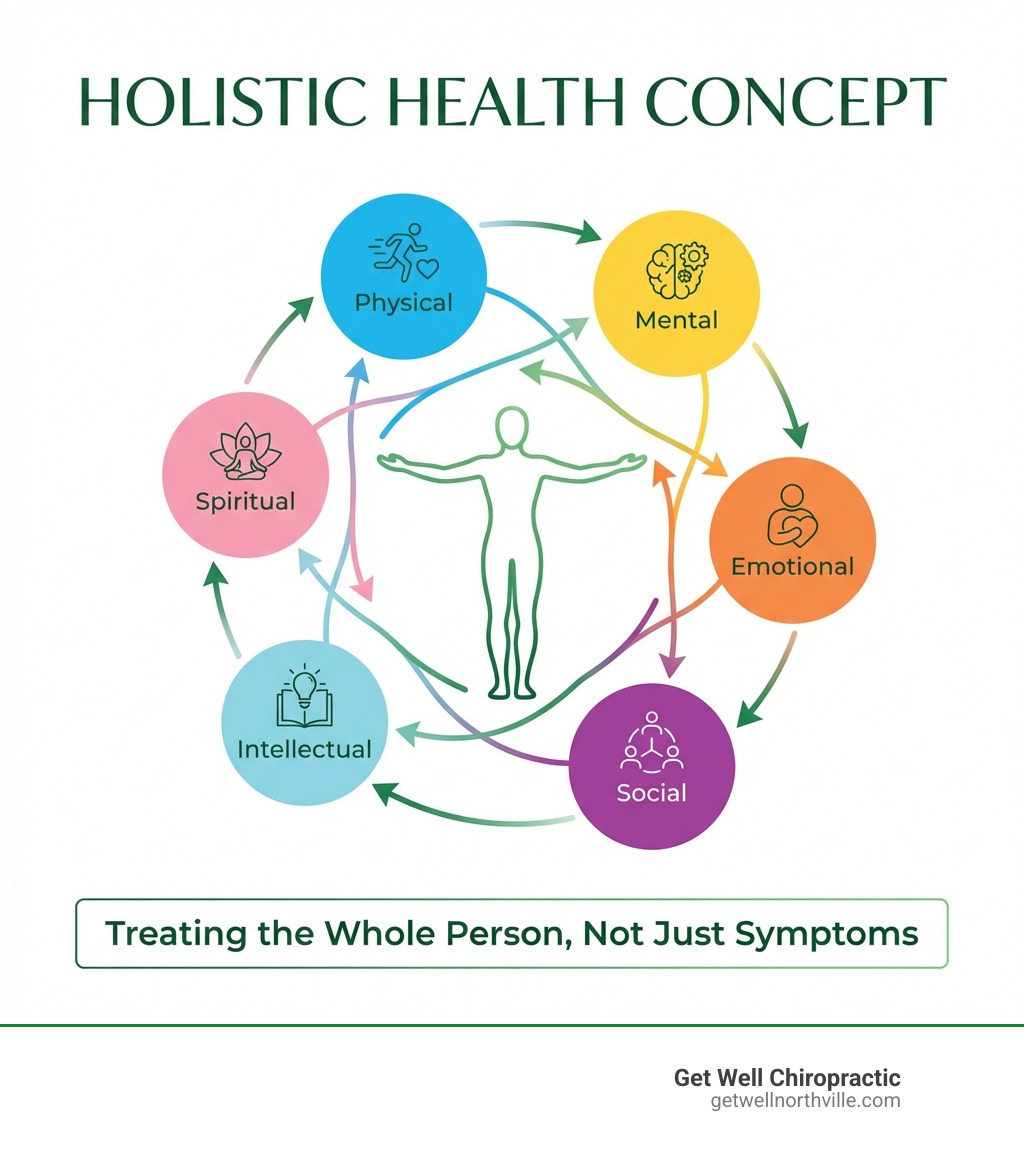
This approach emphasizes disease prevention and proactive wellness. Rather than waiting for symptoms to appear, we focus on cultivating a lifestyle that supports continuous well-being. This includes addressing physical, mental, emotional, social, intellectual, and spiritual dimensions, recognizing that each plays a vital role in our overall health. The goal is to move beyond simply treating illness and instead foster a state of optimal vitality and resilience.
The concept of Whole Person Health, as explored by the National Center for Complementary and Integrative Health, highlights this shift. It emphasizes understanding and promoting health by considering the intricate connections between all aspects of an individual, moving past a purely analytical or disease-specific focus. This means recognizing that health and disease exist on a dynamic path, influenced by factors from our biological makeup to our daily behaviors and the environments we inhabit. Understanding this continuum allows us to intervene early, address unhealthy behaviors like poor diet, sedentary lifestyles, chronic stress, and poor sleep, and manage stress to prevent multiple diseases and restore health across a lifespan.
The Role of the Individual in the Holistic Health Approach
Within the holistic framework, you are not just a passive recipient of care; you are an active and empowered participant in your own healing journey. This approach views the patient as a person, not merely a disease or a set of symptoms. We understand that your unique experiences, beliefs, and lifestyle choices are central to your health.
This means fostering a sense of personal responsibility for your own health and well-being. This isn't about victim-blaming, but rather about empowerment. When you take an active role in your health decisions and commit to wellness-oriented lifestyle choices, you open up your body's innate capacity for self-healing. This self-care is a cornerstone of the holistic health approach, encouraging you to make choices that support your physical, mental, and emotional vitality daily. By embracing this responsibility, you become an integral part of your healthcare team, working alongside practitioners to achieve lasting wellness.
Holistic Health vs. Conventional Medicine
While both holistic and conventional medicine aim to improve health, their approaches often differ significantly. Conventional medicine typically excels at acute care, diagnosing and treating specific diseases, often with pharmaceutical interventions or surgery. The focus is often on managing symptoms and targeting specific organs or systems.
The holistic health approach, on the other hand, takes a broader view. We seek to understand the underlying causes of illness, considering the intricate interplay of physical, mental, emotional, and spiritual factors. Our focus is on restoring balance and promoting overall wellness, often through lifestyle changes and complementary therapies, alongside conventional treatments when appropriate.
Here's a simplified comparison:
| Feature | Holistic Health Approach | Conventional Medicine |
|---|---|---|
| Focus | Root cause of illness, whole person, prevention | Symptoms, specific disease, treatment |
| View of Patient | A unique individual, active participant in healing | A patient with a specific condition/diagnosis |
| Practitioner Role | Partner, educator, facilitator of healing | Expert, diagnostician, prescriber |
| Treatment Modalities | Lifestyle changes, nutrition, chiropractic, mind-body therapies, natural remedies, sometimes conventional medicine | Pharmaceuticals, surgery, specialized procedures |
| Goal | Optimal well-being, long-term health, disease prevention | Symptom relief, disease management, cure |
| Appointment Length | Longer (e.g., naturopathic doctors 1-2 hours initial, 30-60 min follow-up) | Shorter (e.g., average 20 minutes) |
This isn't to say one is inherently better than the other; rather, they can be wonderfully complementary, creating an integrative approach that leverages the strengths of both.
The 6 Dimensions of Holistic Wellness
The holistic health approach recognizes that our well-being is a rich mix woven from many threads. These threads represent different dimensions of our lives, and each one contributes to the overall strength and vibrancy of the whole. When we nurture all these dimensions, we find that the sum is truly greater than its parts. Achieving balance across these areas is key to open uping our fullest health potential.

Physical Wellness
This dimension addresses the obvious: our bodies. It encompasses everything from the food we eat to the way we move, and the quality of our sleep. Optimal physical wellness involves a nutritious diet, regular exercise, and consistent, restorative sleep hygiene. For us at Get Well Chiropractic in Northville, MI, physical wellness is deeply tied to spinal health. A properly aligned spine supports a healthy nervous system, which is the master control system of your entire body. When your nervous system functions optimally, your body's innate healing abilities are improved, leading to greater comfort, mobility, and an absence of pain. This foundational care is crucial for your overall body function. Find how Chiropractic Adjustments Improve Your Quality of Life by supporting your body's natural capabilities.
Mental and Emotional Wellness
Our thoughts, feelings, and how we cope with life's challenges form the bedrock of our mental and emotional wellness. This dimension is about cultivating a healthy mindset, managing stress effectively, and expressing our emotions constructively. Practices like mindfulness, meditation, and even psychotherapy can build resilience and foster a positive outlook. It's about developing self-esteem, learning to adapt to challenging experiences, and finding healthy ways to process our inner world. As part of a holistic approach, addressing mental and emotional well-being is just as vital as physical health.
Social, Intellectual, and Spiritual Wellness
These three dimensions often intertwine, adding depth and meaning to our lives.
- Social Wellness: This refers to the quality of our relationships and our connection to community. Meaningful relationships, clear communication, and a strong support network are vital for our emotional and even physical health. Engaging with others, whether in person or through shared activities, helps us feel connected and valued.
- Intellectual Wellness: This dimension encourages lifelong learning, creativity, and mental stimulation. It's about expanding our knowledge, engaging in critical thinking, and embracing new ideas. Keeping our minds active and curious contributes to overall brain health and a sense of purpose.
- Spiritual Wellness: This is often misunderstood as solely religious, but it encompasses a broader sense of purpose, meaning, and values in life. It can involve a connection to nature, engaging in spiritual practices like prayer or meditation, or simply aligning our actions with our deepest beliefs. It provides a moral compass and a sense of belonging to something larger than ourselves.
By nurturing all six of these dimensions, we build a robust foundation for true, lasting health.
Common Holistic Practices and Therapies
The beauty of the holistic health approach lies in its diverse toolkit. It often involves a blend of conventional medical care with what are known as complementary and alternative medicine (CAM) practices. When these are thoughtfully combined, we call it integrative medicine—a powerful synergy that leverages the best of both worlds. Many holistic practices draw from ancient wisdom, using natural remedies and mind-body therapies to support the body's healing processes.

Manipulative and Body-Based Methods
These therapies focus on the body's structure and systems, believing that proper physical alignment and function are essential for overall health.
- Chiropractic Care: At Get Well Chiropractic, this is a cornerstone of our approach. We focus on detecting and correcting spinal misalignments, known as subluxations, which can interfere with nervous system function. By restoring proper spinal alignment, we help your body communicate more effectively, allowing its innate healing abilities to flourish. This can lead to improved mobility, reduced pain, and improved overall well-being. Learn more about our specialized Chiropractic Care and how it can benefit you.
- Massage Therapy: This involves hands-on manipulation of soft tissues to alleviate pain, reduce stress, and promote relaxation. Various techniques can target specific issues, from deep tissue work for muscle knots to gentle Swedish massage for overall calm. Find effective Massage Therapy Techniques for Lasting Pain Relief that we offer.
- Osteopathy: Similar to chiropractic, osteopathy emphasizes the interconnectedness of the body's systems and uses manual techniques to diagnose and treat structural imbalances.
- Reflexology: This practice involves applying pressure to specific points on the feet, hands, or ears, which are believed to correspond to different organs and systems in the body.
Biologically-Based and Lifestyle Approaches
These practices use natural substances and lifestyle modifications to influence health.
- Nutritional Counseling: We understand that food is medicine. Our nutritional counseling helps you make informed dietary choices that support your body's unique needs, reduce inflammation, boost energy, and promote healing. Achieve Health Recovery Through Nutritional Counseling by working with our experts.
- Herbal Medicine and Supplements: Many plants have powerful medicinal properties. Holistic practitioners may recommend specific herbs or nutritional supplements to support bodily functions, address deficiencies, or alleviate symptoms naturally. However, it's crucial to consult with a qualified practitioner before starting any new herbal or supplement regimen, especially if you're on other medications.
- Diet Changes: Beyond just supplements, adopting specific dietary patterns—like anti-inflammatory diets or elimination diets—can play a significant role in managing chronic conditions and promoting overall health.
- PEMF Therapy: Pulsed Electromagnetic Field (PEMF) therapy uses electromagnetic fields to stimulate cellular repair and improve overall health. It's a non-invasive approach that can help reduce pain, inflammation, and improve circulation. Learn how you can Feel Better Naturally: How PEMF Therapy Supports Healing and Pain Relief right here in Northville, MI.
Mind-Body and Energy Therapies
These approaches acknowledge the powerful connection between our mental and emotional states and our physical health.
- Meditation: Practices like mindfulness meditation can reduce stress, improve focus, and promote emotional regulation.
- Yoga: Combining physical postures, breathing exercises, and meditation, yoga improves flexibility, strength, and mental clarity.
- Tai Chi: This gentle form of exercise involves slow, deliberate movements and deep breathing, improving balance, coordination, and mental calm.
- Acupuncture: Originating from Traditional Chinese Medicine, acupuncture involves inserting thin needles into specific points on the body to balance energy flow and stimulate healing.
- Biofeedback: This technique helps individuals gain conscious control over involuntary bodily functions, such as heart rate or muscle tension, through real-time feedback.
- Reiki: An energy healing technique where practitioners use gentle touch or hovering hands to channel universal life force energy, promoting relaxation and healing.
- Guided Imagery: Using mental images and visualization to promote relaxation, reduce pain, and facilitate healing.
These are just a few examples, and a truly holistic plan is always custom to your individual needs and preferences.
Benefits of Adopting a Holistic Lifestyle
Embracing a holistic health approach offers a wealth of benefits that extend far beyond simply alleviating symptoms. It's about fostering a deeper connection with ourselves, empowering us to live more vibrant and fulfilling lives. When we treat the whole person, we see improvements across all dimensions of well-being.
One of the most significant advantages is the sense of empowerment it instills. By becoming an active participant in your health journey, making conscious choices about your lifestyle, and understanding your body's innate healing capabilities, you gain a profound sense of control over your health. This empowerment often leads to increased patient satisfaction, as you feel heard, respected, and deeply involved in your care plan. This approach leads to an improved quality of life and improved overall well-being. If you're seeking relief from discomfort, understanding Why Choose Chiropractic Care for Pain Relief? can illuminate how our holistic methods contribute to these benefits.
Improved Physical and Emotional Well-being
A core benefit of holistic health is its profound impact on both physical and emotional states. By addressing underlying imbalances and promoting self-care, we can achieve significant stress reduction. Chronic stress is a major contributor to many health issues, and holistic practices offer effective tools to manage it. This leads to better coping mechanisms for illness and life's challenges.
Consider the tangible results: one study found that people with pain who received holistic care experienced lower pain levels. Not only that, but this approach also resulted in a 4% decrease in hospital costs, totaling an average cost savings of $898 for every hospital admission. This demonstrates that investing in holistic care can be beneficial for both your body and your wallet. Another compelling study of stroke patients in South Korea revealed that those who received a more holistic care approach had decreased all-risk mortality rates at three months and 12 months after discharge compared to those receiving more conventional medical care. These findings underscore the life-changing potential of a comprehensive, whole-person approach.
Potential for Long-Term Savings
While some holistic treatments might seem like an upfront investment, the focus on prevention and addressing root causes can lead to significant long-term savings. By proactively managing your health through lifestyle and behavioral interventions, you can reduce the need for costly emergency treatments, hospitalizations, and long-term medication use. The statistic about the average cost savings of $898 per hospital admission for those receiving holistic care truly highlights this financial benefit. Integrating services like Integrating a Nutritionist Into Your Chiropractic Care can optimize your wellness, reducing the likelihood of future health complications and associated expenses. By investing in preventative, holistic care now, you're investing in a healthier, more financially stable future.
Putting It All Together: Your Holistic Health Journey
Starting on a holistic health approach is a journey, not a destination. It involves creating a personalized plan that honors your unique needs, making gradual changes, and embracing consistency. We understand that changing habits takes time and dedication, but the rewards are immeasurable.
How to Incorporate Holistic Principles into Your Daily Life
You don't need to overhaul your entire life overnight to accept holistic principles. Small, consistent changes can lead to profound improvements. Here are some simple daily practices you can incorporate:
- Mindful Eating: Pay attention to what you eat, how you eat, and how food makes you feel. Savor your meals, chew slowly, and listen to your body's hunger and fullness cues.
- Regular Movement: Find enjoyable ways to move your body daily. This could be a brisk walk, yoga, dancing, or stretching. Consistency is more important than intensity.
- Gratitude Journaling: Take a few minutes each day to write down things you're grateful for. This simple practice can shift your mindset and boost emotional well-being.
- Digital Detox: Schedule regular breaks from screens. Turn off notifications, step away from your phone, and engage with the real world.
- Spending Time in Nature: Even a short walk in a park can reduce stress, improve mood, and reconnect you with the natural rhythms of life.
Finding the Right Holistic Health Practitioner
Choosing the right practitioner is a crucial step in your holistic health journey. In Michigan, you'll find a variety of professionals who practice with a holistic mindset. These may include medical doctors (MDs) or doctors of osteopathy (DOs) who practice integrative medicine, naturopathic doctors (NDs) who focus on natural remedies, or chiropractors (DCs) like us, specializing in spinal health and nervous system function.
When searching for a practitioner, always look for strong credentials and training. Don't hesitate to ask questions about their background, certifications, and philosophy of care. The WebMD guide on holistic medicine suggests asking: "What is your background and certifications? How do you diagnose conditions? What conditions do you treat, and how? On what research do you base your recommendations? Will you collaborate with my other healthcare providers? How often will we communicate?"
The doctor-patient relationship is paramount in holistic care; it should be a partnership built on trust and mutual respect. You should feel comfortable, heard, and understood.
It's also important to acknowledge that the holistic health movement has faced criticisms. Some concerns raised historically include equating holism with specific therapeutic modalities that lack scientific evidence, or an overemphasis on individual responsibility that might neglect broader public health issues. While the field has evolved significantly, we believe in a balanced approach that respects scientific inquiry and integrates evidence-based practices. Always ensure that any holistic treatment you pursue complements, rather than replaces, necessary conventional medical care, especially for serious conditions.
Frequently Asked Questions about the Holistic Health Approach
Is holistic medicine a replacement for my regular doctor?
No, absolutely not. The holistic health approach is generally intended to be complementary to your regular medical care, not a replacement. Integrative medicine, which combines conventional medical treatments with evidence-based complementary therapies, is often the most effective path. For serious medical conditions, it's crucial to consult with your medical doctor and ensure any holistic approaches you explore align with your overall treatment plan. Open communication between all your healthcare providers is key to ensuring coordinated and effective care. We encourage you to view holistic care as a powerful support system, enhancing your well-being alongside conventional medical treatments.
What is the difference between holistic, natural, and functional medicine?
These terms are often used interchangeably, but they have distinct meanings:
- Holistic Medicine: This is the overarching philosophy. It's an approach that considers the whole person – body, mind, emotions, and spirit – in the quest for optimal health and wellness. It recognizes the interconnectedness of all these aspects.
- Natural Medicine (Naturopathy): This is a type of holistic medicine that focuses exclusively on natural remedies and the body's innate healing abilities. Naturopathic doctors (NDs) use therapies like herbal medicine, nutrition, hydrotherapy, and lifestyle counseling, typically avoiding pharmaceutical drugs or surgery.
- Functional Medicine: This is another type of holistic medicine, often considered a highly scientific and patient-centered approach. Functional medicine practitioners focus on identifying and addressing the root causes of complex, chronic illnesses. They use detailed patient history, advanced laboratory testing, and a deep understanding of genetics, lifestyle, and environmental factors to create highly personalized treatment plans that often involve nutrition, exercise, stress management, and supplements. Our clinic in Northville, MI, offers functional medicine services, aiming to answer "Why are you sick?" to provide deep healing.
How long does it take to see results with a holistic health approach?
The holistic health approach is best understood as a journey, not a quick fix. Because it focuses on addressing root causes and making sustainable lifestyle changes, results can vary significantly from person to person and depend on the condition being addressed. While some individuals may experience immediate relief from certain symptoms, deeper healing and long-term wellness often require consistency and patience. For example, naturopathic doctors typically spend one to two hours in initial appointments and 30 to 60 minutes in subsequent ones to understand your complete health picture, a stark contrast to the average 20 minutes for other doctors. This extended time reflects the comprehensive nature of the approach and the understanding that true change takes time. Committing to a holistic lifestyle is an investment in your long-term health, and the benefits often unfold gradually but profoundly.
Begin Your Path to Whole-Person Wellness
The holistic health approach reminds us that health is far more than just the absence of disease; it's a vibrant state of balance and vitality across every dimension of your being. By taking an active role in your well-being and embracing the interconnectedness of your body, mind, emotions, and spirit, you open up your immense potential for healing and thriving.
At Get Well Chiropractic in Northville, MI, we are passionate about supporting your journey to whole-person wellness. Our compassionate team understands that your health is unique, and we are here to provide personalized care that addresses your specific needs. From expert chiropractic adjustments to therapeutic massage, nutritional counseling, and advanced pain relief treatments like PEMF therapy, our services are designed to help you achieve natural healing and long-term wellness. We believe in getting to the root cause of your concerns, empowering you with the knowledge and tools to live a healthier, happier life.
Ready to experience the transformative power of a truly holistic approach?
Explore our chiropractic services and find how we can help you get well and stay well.
