Understanding the True Costs of Chiropractic Care
The costs of chiropractic care can feel like a mystery when you’re dealing with pain and searching for relief. You want to know what you’ll actually pay before you walk through the door.
Here’s what you need to know right away:
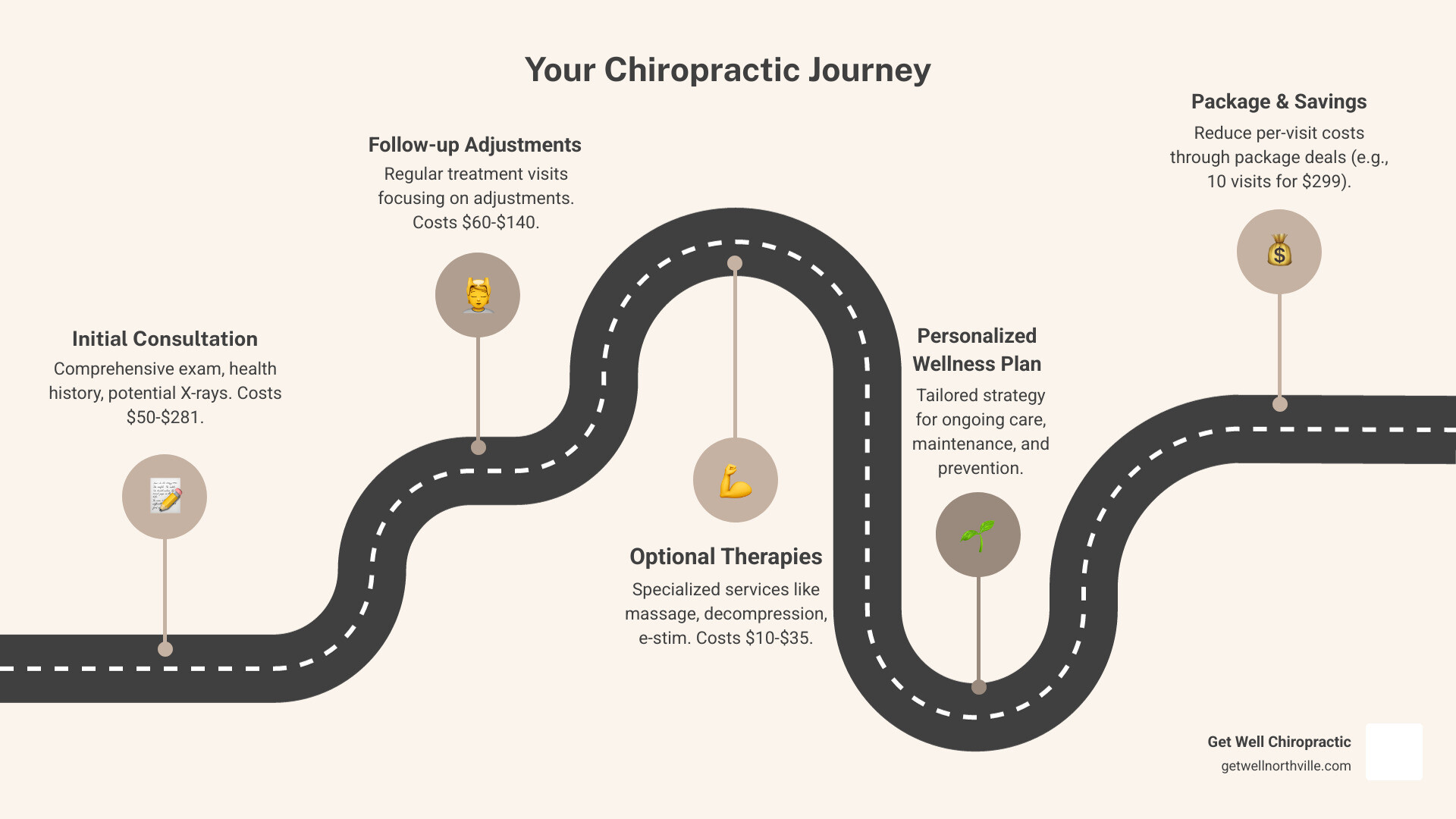
- Initial consultation: $50-$281 (national average: $152)
- Follow-up visits: $60-$140 (national average: $76)
- Basic adjustments: $45-$57 per session
- Additional therapies: $10-$35 per therapy
- Package deals: Often available (e.g., 10 visits for $299)
The first visit typically costs more because it includes a comprehensive health history review, physical examination, and sometimes diagnostic imaging like X-rays. After that initial assessment, follow-up visits focus primarily on treatment and cost significantly less.
If you’re worried about affordability, there’s good news. Research shows that chiropractic users spent 40% less overall on their care compared to those who pursued traditional medical management for conditions like lower back pain. Many insurance plans cover at least some chiropractic services, and clinics often offer wellness plans or payment packages that reduce the per-visit cost even further.
But understanding the price tag isn’t just about knowing the numbers on a bill. It’s about seeing the full picture of what you’re paying for, what influences those costs, and how chiropractic care fits into your overall healthcare budget—especially when chronic pain is affecting your daily life.
Breaking Down the Bill: A Look at Typical Chiropractic Fees
When considering chiropractic care, one of our first thoughts often revolves around the financial commitment. What does a visit entail, and what will it cost? Let’s peel back the layers and examine the typical fees you might encounter on your journey to better health.

The First Step: Initial Consultation and Assessment Costs
Your first visit to a chiropractor is usually the most comprehensive and, consequently, the most expensive. Why? Because it’s where we get to know you, your health history, and the specific concerns bringing you to our office. This initial consultation and assessment are crucial for developing a personalized and effective treatment plan.
The cost of an initial chiropractic consultation typically ranges between $50 and $150, but can extend from $121 to $281 nationally, with the national average sitting at $152. In Michigan, for example, the average cost for a chiropractic consultation is around $138. This fee covers a detailed discussion of your health problems, previous injuries, lifestyle, and treatment goals. Following this, a thorough physical examination is conducted, which may include neurological, orthopedic, postural, and physical tests to pinpoint the root cause of your discomfort.
Sometimes, diagnostic imaging like X-rays are recommended to get a clearer picture of your spinal health, identify misalignments, or rule out more serious conditions. If X-rays are needed, they will add to the initial visit cost, typically ranging from $44 to $159. This comprehensive approach ensures that our care is custom precisely to your unique needs, setting the foundation for effective treatment.
To learn more about the specifics, you can dive deeper into [Understanding Average Chiropractic Adjustment Costs in Your Area](https://getwellnorthville.com/understanding-average-chiropractic-adjustment-costs-in-your-area/).
Ongoing Adjustments: The Cost of Follow-Up Visits
Once your initial assessment is complete and a treatment plan is established, subsequent visits focus primarily on chiropractic adjustments and ongoing care. These follow-up appointments are generally less expensive than the first visit because the diagnostic heavy lifting has already been done.
The average cost of a subsequent chiropractic exam or adjustment is $76, but this can range from $60 to $140. For a basic adjustment, you might expect to pay between $45 and $57 per session. These visits are often shorter, focusing on specific adjustments to your spine and other joints to maintain alignment, reduce inflammation, and improve nervous system function.
The goal of these ongoing adjustments is to facilitate your body’s natural healing process and support your long-term wellness. The frequency of these visits will depend on your specific condition and the treatment plan we develop together, with some patients benefiting from multiple visits a week initially, while others maintain their health with monthly check-ups.
What About Additional Therapies?
Chiropractic care at Get Well Chiropractic extends beyond just spinal adjustments. We offer a range of specialized services and therapies that can complement your adjustments and accelerate your healing. These additional treatments come with their own costs, but they are often quite affordable and significantly contribute to your recovery.
Most of these therapies range between $10 and $35 per session. Examples of specialized chiropractic services that might incur additional costs include:
- Tissue and Muscle Therapy: This can include techniques like deep tissue massage (averaging around $91), trigger point therapy, or Kinesio taping (averaging around $25) to address soft tissue issues contributing to your pain.
- Spinal Decompression: For conditions like bulging or herniated discs, specialized decompression tables might be used, which can average around $101 per session.
- Electrical Stimulation (E-Stim) or TENS: These therapies use mild electrical currents to reduce pain and inflammation, typically costing around $40 per session for TENS or up to $126 for functional electrical stimulation.
- Alternative and Holistic Therapies: Depending on the clinic, services like medical acupuncture (initial visits $100-$150, follow-ups $65) or foot reflexology (around $51) might also be offered.
These therapies are recommended when they are deemed beneficial for your specific condition, helping us provide comprehensive and holistic care for lasting relief.
What Influences the Costs of Chiropractic Care?
Understanding the average fees is just one piece of the puzzle. The costs of chiropractic care aren’t static; they fluctuate based on several key factors. Think of it like buying a car—the base model has one price, but adding features, choosing a luxury brand, or buying in a high-demand area changes the final cost. Chiropractic care is similar, with different elements influencing the final price tag.

Location, Location, Location: Regional Cost Differences
Just as housing prices vary across the country, so do healthcare costs. Are there significant cost variations for chiropractic care across different states or regions? Absolutely. The geographic location of your chiropractor plays a substantial role in determining your fees. Clinics in areas with a higher cost of living, like major metropolitan areas, typically have higher overheads (rent, staff salaries, etc.), which are reflected in their pricing.
While we’re rooted in Northville, Michigan, it’s helpful to know the broader context. For instance, a general vertebrae adjustment might average $70 in the Southern US, but only $60 in the Midwest. Within Michigan, our costs are influenced by the local economy, demand for services, and competition among practitioners. Urban centers often see higher prices than rural areas due to these factors. If you live in a small town with high demand for chiropractic care, you might also see higher prices due to limited supply.
The Value of Expertise: Why Experience Can Affect Price
Have you ever wondered why some professionals charge more than others? Often, it comes down to experience and specialized knowledge. Why might experienced chiropractors charge more, and is it always justified? In many cases, yes.
Chiropractors, like any healthcare professional, invest significantly in their education and ongoing training. They complete four years of pre-med undergraduate coursework, followed by another four to five years of specialized chiropractic techniques. This includes thousands of hours (around 4,000+) of training in chiropractic adjustments, human musculoskeletal anatomy, and health science.
An experienced chiropractor has refined their skills over years of practice, often developing specialized techniques or focusing on particular conditions. This expertise translates into more accurate diagnoses, more effective treatments, and potentially faster results for patients. Their reputation, advanced training, and proven track record of successful outcomes can justify higher fees. At Get Well Chiropractic, our commitment to expert, personalized care means you benefit from chiropractors who are dedicated to continuous learning and providing the highest quality service.
Your Unique Needs: Treatment Complexity and Frequency
The complexity of your condition and the frequency of visits required are major factors influencing the overall costs of chiropractic care. What factors influence the cost of chiropractic care, such as treatment complexity, frequency of visits, and clinic location?
- Treatment Complexity: A simple neck stiffness might require fewer, less intensive adjustments than a chronic condition like severe sciatica or a bulging disc. More complex conditions often necessitate a custom approach that might include multiple types of therapies (adjustments, massage, decompression) or a longer course of treatment.
- Frequency of Visits: If you’re dealing with acute pain, you might need more frequent visits initially to stabilize your condition and achieve relief. As you progress, the frequency typically decreases, moving towards maintenance or wellness care. Patients with chronic conditions might benefit from ongoing, regular adjustments to manage symptoms and prevent recurrence.
- Personalized Treatment Plans: At Get Well Chiropractic, we believe in crafting customized care plans. This means your treatment isn’t a one-size-fits-all approach. We assess your individual age, health condition, and specific needs to create a plan that targets your issues effectively, which can influence the total cost.
The goal is always to provide the most effective care for your unique situation, balancing your health needs with practical considerations.
The Bigger Picture: Chiropractic Care and Your Healthcare Budget
When we talk about the costs of chiropractic care, look beyond the per-visit fee and consider the long-term impact on your overall healthcare budget. Sometimes, what seems like an initial investment can lead to significant savings down the road.
Comparing the Costs of Chiropractic Care to Other Approaches
How does the cost of chiropractic care compare to traditional medical management for spine-related pain? The evidence strongly suggests that chiropractic care can be a remarkably cost-effective alternative, especially for musculoskeletal issues like back and neck pain. These conditions are a massive burden on the U.S. healthcare system, estimated at $134.5 billion annually.
Traditional medical approaches often involve medications, specialist referrals, advanced imaging, injections, and sometimes surgery. While these interventions have their place, they can be quite expensive and carry their own risks. Chiropractic care, by contrast, focuses on non-surgical, non-pharmacological methods like spinal adjustments and therapeutic exercises.
Studies have shown that patients with spine-related musculoskeletal pain who consulted a chiropractor as their initial provider incurred substantially decreased downstream healthcare services and associated costs. In fact, for the average case, chiropractic users spent 40% less overall on their care compared to medical users. This means choosing chiropractic first can lead to significant savings.
The Downstream Effect: Long-Term Financial Savings
The true financial benefit of chiropractic care often lies in what we call the “downstream effect.” What are the potential long-term cost savings associated with investing in chiropractic care? By addressing the root cause of your pain and promoting your body’s natural healing capabilities, chiropractic care can reduce the need for more expensive and invasive interventions later on.
Research published in [Chiropr Man Therap. 2024 Mar 6;32:8. doi:10.1186/s12998-024-00533-4](https://doi.org/10.1186/s12998-024-00533-4) found that patients who started with chiropractic care for spine-related pain consistently had:
- Fewer opioid prescriptions
- Fewer surgeries
- Fewer hospitalizations
- Less need for advanced diagnostic imaging (like MRIs)
- Fewer specialist referrals
- Fewer emergency department visits
- Lower overall healthcare costs
This systematic review concluded that initiating care with a chiropractor is associated with lower overall healthcare costs compared to medical management. For example, patients who chose spinal manipulation as their initial treatment for chronic low back pain experienced reduced long-term Medicare costs associated with opioid analgesic therapy. This proactive, conservative approach not only saves money but also helps you avoid the inconvenience and recovery time associated with more invasive procedures.
Beyond the Wallet: Reducing Reliance on Medication
One of the most profound long-term benefits of chiropractic care, extending beyond direct financial savings, is its role in reducing reliance on prescription medication, particularly opioids. This is a critical consideration in light of the ongoing opioid crisis, which carries immense human and societal costs.
Chiropractic care offers a non-pharmacological approach to pain management. By restoring proper spinal function and reducing nerve interference, we help your body manage pain naturally. The systematic review mentioned earlier highlighted that fewer opioid prescriptions were dispensed or filled when chiropractic care was used, especially when it was the initial treatment. This is a significant finding, as it means chiropractic care can help patients avoid the financial burden of prescription drugs, the risks of long-term dependency, and the devastating consequences of opioid addiction.
Investing in chiropractic care isn’t just about managing pain; it’s about investing in a healthier, more active life, free from the cycle of medication and its associated costs and risks. It’s about empowering your body to heal itself, leading to improved quality of life and reduced indirect costs like missed workdays due to pain.
How to Pay for Your Care: Insurance, Packages, and Discounts
Navigating the financial aspects of healthcare can be daunting, but we believe in transparency and making our care accessible. At Get Well Chiropractic, we want to help you understand all your options for covering the costs of chiropractic care.
Does Insurance Cover Chiropractic Visits?
A common question we hear is, “How does insurance coverage impact the out-of-pocket expenses for chiropractic care?” The good news is that most health insurance plans, including major providers, Medicare, Medicaid, and even workers’ compensation, offer some form of coverage for chiropractic services. However, the extent of coverage can vary significantly.
Here’s what you need to know:
- Coverage Variations: What your plan covers depends on your specific policy. Some plans might cover a certain number of visits, while others have limitations on the types of services or conditions covered.
- Deductibles and Copays: You’ll likely be responsible for your deductible (the amount you pay before your insurance starts to cover costs) and copays (a fixed amount you pay for each visit).
- In-network vs. Out-of-network: Your out-of-pocket expenses will usually be lower if you see an in-network provider. We recommend verifying your benefits with your insurance provider directly before your first visit to avoid any surprises. We’re happy to assist you with this process.
- Medicare Coverage: Medicare typically covers 80% of medically necessary manual manipulation of the spine. However, it generally does not cover exams, X-rays, or other therapies. This means that for Medicare patients, the initial visit cost, which includes exams and potentially X-rays, can be higher out-of-pocket (e.g., around $230 at some clinics) before Medicare kicks in for the adjustments.
We encourage you to call us or your insurance company to clarify your benefits. You can also review general information about insurance coverage at www.acatoday.org/level3_css.cfm?T1ID=13&T2ID=61&T3ID=152#insurance.
Saving with Packages and Wellness Plans
To make ongoing chiropractic care more affordable and predictable, many clinics, including ours, offer wellness plans and package deals. How do wellness plans and package deals affect the overall cost of chiropractic care? They significantly reduce the per-visit cost compared to paying for single sessions.
Here at Get Well Chiropractic, we understand that consistent care is key to long-term wellness. That’s why we offer structured plans to fit different needs and budgets:
- Wellness Plans: These are ideal for individuals seeking regular, ongoing care. For adults, a monthly wellness plan might offer up to 4 visits per month for $89, bringing the cost per visit to less than $18. This represents a substantial saving compared to single visits. Youth plans are even more affordable, often at $49 per month for up to 4 visits, making care accessible for younger patients. Additional visits beyond the monthly allowance are often available at a reduced rate. These plans are best for patients who visit more than twice a month and align well with a doctor’s treatment plan for consistent progress.
- Package Deals: If you anticipate needing fewer visits per month but still want to save, pre-paid packages are a great option. Common package deals include:
- 6 visits for $209 (cost per visit: ~$35)
- 10 visits for $299 (cost per visit: ~$30)
- 20 visits for $499 (cost per visit: ~$25)
These packages offer flexibility, allowing you to use visits over a set period (e.g., 12 months) and significantly reduce the cost per adjustment. They are a popular choice for those transitioning from intensive initial care to maintenance, or for individuals with occasional flare-ups.
Other Payment and Financing Options
We believe that financial concerns shouldn’t be a barrier to achieving optimal health. That’s why we offer various payment and financing options to help manage the costs of chiropractic care. What are the payment options available for chiropractic care, including financing and discounts?
- Health Savings Accounts (HSAs) and Flexible Spending Accounts (FSAs): If you have an HSA or FSA through your employer, you can use these tax-advantaged accounts to pay for chiropractic care, including consultations, adjustments, and many therapies. This is a great way to use pre-tax dollars for your healthcare needs.
- Third-Party Financing: For larger treatment plans or if you prefer to spread out your payments, financing options like CareCredit are often available. These healthcare credit cards offer special financing plans that can help make extensive treatment more manageable by allowing you to pay over several months or years. You can apply for financing through platforms like CareCredit directly.
- Direct Payment Discounts: Some clinics offer discounts for patients who choose to pay for services directly at the time of their visit, rather than through insurance. This can sometimes lead to lower overall out-of-pocket costs, though it’s important to compare this with your insurance benefits.
- Promotions and Discounts: Keep an eye out for new patient specials or seasonal promotions. For instance, some clinics offer initial visits at a significantly reduced rate (e.g., $29-$99) to make it easier for new patients to experience chiropractic care. Military discounts are also sometimes available, further reducing the initial cost.
We are committed to helping you find an affordable solution for your care. Don’t hesitate to discuss your financial concerns with our team; we’re here to help you explore the best options for your budget. You can learn more about finding affordable care on our site, such as [Why Choose Affordable Chiropractic Services Near You](https://getwellnorthville.com/why-choose-affordable-chiropractic-services-near-you/).
Conclusion: An Affordable Path to Long-Term Wellness
We’ve explored the various facets of the costs of chiropractic care, from initial consultations to ongoing adjustments, and the factors that influence these prices. What we hope you’ve taken away is that while there is an investment involved, chiropractic care often presents an affordable and highly effective path to long-term wellness.
The initial visit, though typically more expensive, is a crucial diagnostic step. Subsequent visits, focused on treatment, are more budget-friendly. We’ve seen how factors like clinic location, the chiropractor’s experience, and the complexity of your condition all play a role in the final price. Yet, the overarching theme from numerous studies is clear: investing in chiropractic care, especially as an initial treatment for spine-related pain, can lead to significant long-term cost savings by reducing the need for more costly medical interventions, such as surgeries, extensive imaging, and prescription medications.
At Get Well Chiropractic in Northville, MI, our philosophy centers on providing comfortable, honest, and compassionate service, focusing on natural healing and long-term wellness. We believe that being healthy and pain-free is not a luxury, but a birthright. We are dedicated to making quality chiropractic services accessible and understandable.
Don’t let perceived costs deter you from exploring a treatment option that can profoundly impact your health and well-being. We encourage you to look beyond the immediate price tag and consider the immense value that chiropractic care can bring to your life—value measured not just in dollars, but in improved quality of life, reduced pain, and a greater capacity to thrive.
If you’re ready to take the first step towards a healthier, more comfortable life, we invite you to [Contact Get Well Chiropractic for a consultation](https://getwellnorthville.com/contact). Let us partner with you on your journey to lasting wellness.
