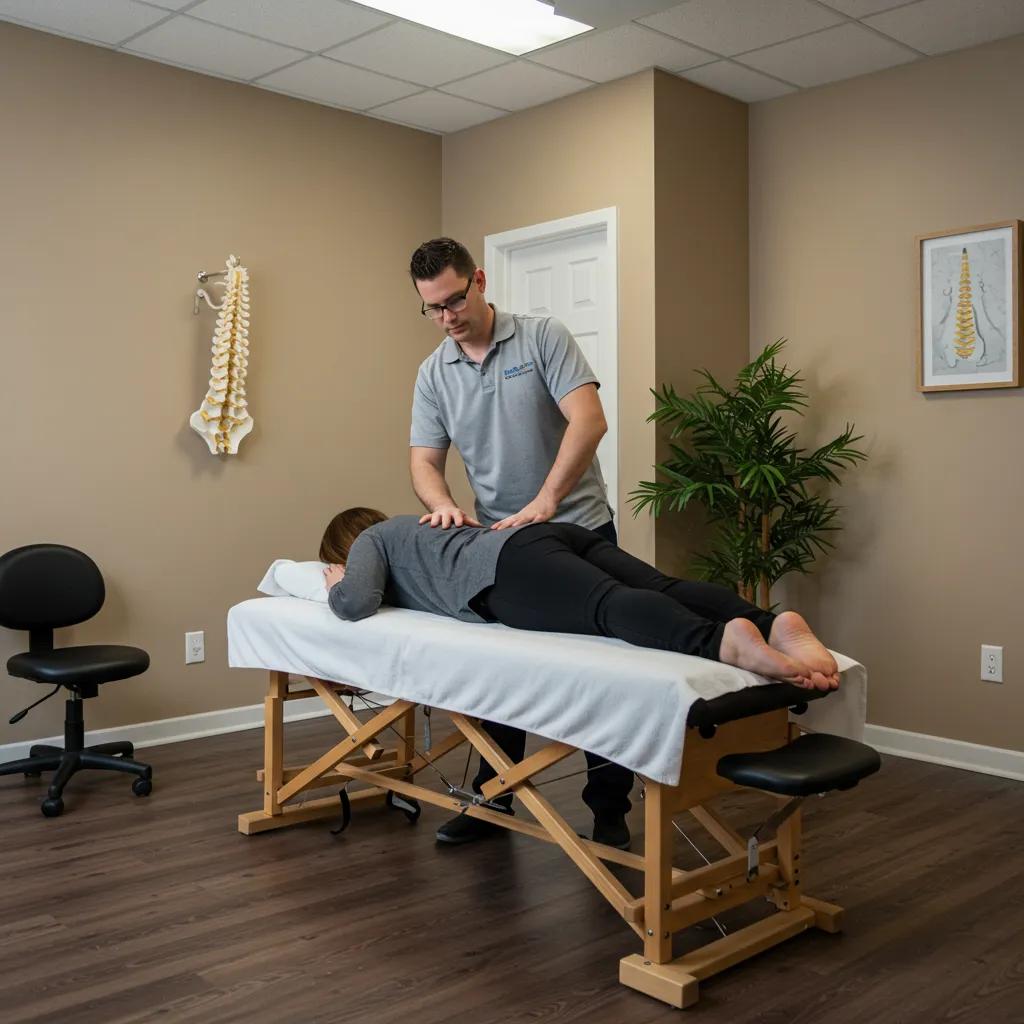
Chiropractic Treatment vs Traditional Medicine in Northville: Understanding Natural Pain Relief and Wellness Options
Northville residents facing persistent discomfort often confront a choice between conventional interventions and drug-free alternatives for lasting relief. This article examines how traditional medicine manages pain through pharmaceuticals and surgery, contrasts it with chiropractic treatment’s natural healing methods, and highlights specialty services available locally at Get Well Chiropractic. We will compare core philosophies, treatment modalities, and long-term outcomes, explore spinal decompression therapy (DRX9000) and cold laser therapy, identify who benefits most, share local patient perspectives, and guide informed decision-making for natural, non-invasive care.
What Is Traditional Medicine and How Does It Manage Pain?
Traditional medicine refers to allopathic healthcare practices that primarily target symptoms using pharmaceuticals or surgical procedures for immediate relief. By defining pain as a physiological symptom, conventional providers often prescribe analgesics, anti-inflammatory drugs, or recommend operative interventions to reduce discomfort. For example, nonsteroidal anti-inflammatory medications inhibit pathways causing inflammation, offering rapid symptom control.
Conventional pain management commonly includes medication regimens and surgical options that address structural issues or chemical mediators. These approaches can deliver swift relief but may bypass underlying dysfunctions. Understanding how these strategies function lays the groundwork for evaluating why many seek alternative, root-cause therapies next.
How Does Traditional Medicine Use Medication and Surgery for Pain Relief?
Traditional medicine uses pharmaceutical interventions to modulate pain signals and reduce inflammation quickly. Analgesic drugs block pain receptors, anti-inflammatories inhibit inflammatory enzymes, and opioids alter central nervous system pain perception to provide acute relief. Surgical options, such as laminectomy or discectomy, remove tissue impinging on nerves, directly resolving structural causes of pain.
Common modalities include:
- Prescription analgesics to inhibit pain pathways.
- Anti-inflammatory agents to reduce tissue swelling.
- Opioid medications for moderate to severe pain control.
- Minimally invasive spinal surgeries to decompress nerve roots.
These interventions offer targeted symptom relief but often require ongoing medication or carry surgical recovery demands, leading many to explore holistic alternatives next.
What Are the Common Limitations and Side Effects of Traditional Medicine?
Although effective at symptom suppression, traditional medicine carries risks and limitations that can hinder sustainable wellness. Long-term use of pain medications may lead to gastrointestinal irritation, liver strain, or dependency, while surgical procedures involve anesthesia risks and extended rehabilitation timelines. Additionally, masking pain without addressing alignment or functional dysfunction can result in recurring discomfort.
Typical side effects and challenges include:
- Gastrointestinal upset from nonsteroidal anti-inflammatories.
- Medication tolerance or dependence with prolonged opioid use.
- Post-operative recovery complications and scar tissue formation.
- Symptom recurrence if underlying alignment issues remain untreated.
Recognizing these drawbacks helps explain why many Northville residents pursue non-invasive, holistic care options to achieve enduring relief.
Why Do Some Northville Residents Seek Alternatives to Conventional Care?
Concerns about drug dependence, surgical risks, and symptom recurrence motivate Northville adults to investigate natural healing methods that address root causes rather than simply alleviating symptoms. Individuals who experience only temporary relief from pharmaceuticals or who wish to avoid surgery often turn to therapies that support the body’s innate ability to heal and maintain proper function.
Factors driving alternatives include:
- Desire for drug-free pain relief free of systemic side effects.
- Interest in preventive strategies that promote overall wellness.
- Dissatisfaction with cyclical pain management without functional correction.
- Growing awareness of chiropractic care’s safety and efficacy in addressing spinal alignment.
These motivations set the stage for a closer look at chiropractic treatment and its holistic foundations.
What Is Chiropractic Treatment and How Does It Promote Natural Healing?
Chiropractic treatment is a non-invasive approach that focuses on spinal alignment and nervous system function to facilitate the body’s self-healing processes. By defining subluxations as joint restrictions, chiropractors apply precise manual therapy to restore mobility and reduce nerve interference, promoting pain relief and improved function. For example, a spinal adjustment realigns vertebrae, optimizing neural communication and blood flow.
- Manual spinal adjustments to correct misalignments.
- Soft tissue techniques that alleviate muscular tension.
- Lifestyle and ergonomic guidance supporting long-term wellness.
Chiropractic care’s holistic philosophy integrates structural correction with preventive wellness, creating a foundation for lasting improvements without medication or surgery.
How Do Chiropractic Adjustments Work to Improve Spinal Health?
Chiropractic adjustments involve controlled, low-force thrusts applied to specific vertebral segments to correct misalignments and reduce mechanical stress on spinal joints. This action stimulates mechanoreceptors and restores normal joint function, leading to decreased pain, enhanced range of motion, and improved neurological signaling. Patients often notice immediate relief and progressive improvements in posture and mobility.
- Realign vertebrae to relieve nerve compression.
- Normalize joint biomechanics and reduce inflammation.
- Enhance proprioception and muscular balance.
By systematically restoring spinal health, adjustments form the cornerstone of natural healing and prepare the body for deeper recovery through specialty services.
What Are the Holistic Principles Behind Chiropractic Care?
Chiropractic care is rooted in holistic health principles that view the body as an interconnected system where spinal function influences overall wellness. Rather than isolating a single symptom, chiropractors assess structural, neurological, and lifestyle factors to create personalized care plans. This integrative method supports not only pain relief but also preventive health, stress reduction, and improved vitality.
Holistic principles include:
- Treating the body as a unified system rather than isolated parts.
- Encouraging nutritional, ergonomic, and exercise interventions.
- Empowering patients through education for self-care and prevention.
These guiding concepts foster sustainable wellness and form a natural complement to conventional health practices.
How Does Chiropractic Care Address Root Causes Instead of Symptoms?
Chiropractic care targets biomechanical dysfunctions—such as vertebral subluxations and soft tissue restrictions—that often underpin chronic pain. By identifying and correcting these root causes through adjustments and adjunctive therapies, chiropractic treatment aims to resolve pain at its source rather than merely masking discomfort. This approach promotes structural stability and neurological balance for long-term health.
- Comprehensive spinal and postural assessments.
- Precise manual interventions tailored to functional deficits.
- Ongoing reassessments ensuring corrective progress.
By emphasizing underlying factors, chiropractic care fosters durable improvements that reduce reliance on symptom-focused treatments.
What Are the Key Differences Between Chiropractic Care and Traditional Medicine?
Chiropractic care and traditional medicine differ fundamentally in philosophy, modalities, focus, and outcomes. Chiropractic prioritizes root-cause correction and natural healing, while conventional approaches emphasize immediate symptom management through drugs or surgery. Below are two comparative tables illustrating these distinctions.
How Do Treatment Philosophies Differ: Root Cause vs Symptom Management?
Chiropractic care adopts a philosophy that views pain as a signal of structural or neurological imbalance, and it seeks to restore optimal function by addressing underlying subluxations. By contrast, traditional medicine often treats pain as a symptom requiring pharmaceutical or procedural suppression. Root-cause correction leads to sustained improvements in alignment and nerve function, while symptom management can result in repetitive treatment cycles.
What Are the Differences in Treatment Modalities: Adjustments and Therapies vs Drugs and Surgery?
Chiropractic modalities center on hands-on techniques—adjustments, spinal decompression, and soft tissue work—that stimulate natural repair mechanisms without introducing external chemicals. Traditional modalities rely on drug therapies and surgical interventions to alter physiological processes or physically modify anatomy. These divergent methods reflect distinct risk profiles, patient experiences, and recovery trajectories.
How Do Long-Term Outcomes Compare: Sustainable Wellness vs Recurring Issues?
Patients engaging in chiropractic care often report progressive relief, improved mobility, and enhanced overall well-being through ongoing preventive strategies. In contrast, many experiencing traditional medicine interventions face recurring issues or require escalating medication dosages. Sustainable wellness stems from functional restoration, whereas symptom-focused methods may delay addressing the true source of discomfort.
What Specialty Chiropractic Services Are Available in Northville for Enhanced Healing?
Get Well Chiropractic in Northville offers advanced, non-invasive therapies that augment spinal adjustments to accelerate healing and maximize comfort. Alongside foundational chiropractic care, two standout services include spinal decompression therapy (DRX9000) and cold laser therapy. These modalities extend the clinic’s holistic approach by targeting disc health, inflammation, and tissue repair.
- Spinal decompression therapy using the DRX9000 machine.
- FDA-cleared cold laser therapy for accelerated recovery.
- Comprehensive chiropractic adjustments and soft tissue treatments.
How Does Spinal Decompression Therapy Provide a Non-Surgical Solution for Back Pain?
Spinal decompression therapy employs the DRX9000 device to gently stretch the spine, creating negative pressure within intervertebral discs. This mechanism encourages retraction of herniated material, reduces nerve root compression, and promotes nutrient exchange for disc regeneration. Patients typically experience reduced sciatica pain and restored mobility without the invasiveness of surgery.
Case Study: DRX-9000 Spinal Decompression Therapy
Present a Case Study on Spinal Decompression Utilizing the DRX-9000
What Are the Benefits of Cold Laser Therapy for Pain Relief and Tissue Healing?
Cold laser therapy, a low-level photobiomodulation technique, delivers concentrated light energy to injured tissues, reducing inflammation and stimulating cellular repair. By increasing blood flow and enhancing mitochondrial activity, cold laser treatments accelerate recovery from soft tissue injuries and chronic conditions such as tendonitis or arthritis, offering complementary relief alongside chiropractic adjustments.
How Do These Therapies Compare to Traditional Medical Interventions?
Unlike pain injections or surgical decompression, spinal decompression and cold laser therapy harness the body’s own healing mechanisms without pharmaceuticals or incisions. These non-invasive modalities carry minimal risk, no downtime associated with anesthesia, and support gradual structural correction—providing a gentler alternative to conventional procedures with comparable outcomes in appropriate cases.
Who Can Benefit from Chiropractic Care in Northville?
Chiropractic treatment supports individuals across all life stages and activity levels, making it suitable for families, pregnant women, seniors, athletes, and anyone managing chronic pain conditions. By tailoring care plans to each demographic’s unique needs, Get Well Chiropractic ensures that structural alignment and wellness strategies deliver targeted benefits and preventive support.
How Does Family Chiropractic Support Wellness for All Ages?
Family chiropractic encompasses gentle techniques appropriate for infants through seniors, focusing on developmental alignment, prenatal comfort, and age-related mobility. Pediatric adjustments support healthy spine development, prenatal care alleviates pregnancy-related discomfort, and senior adjustments enhance joint function—ensuring each family member experiences improved well-being.
What Are the Advantages of Chiropractic Care for Athletes and Sports Injuries?
Sports chiropractic integrates targeted adjustments, soft tissue mobilization, and performance-focused rehabilitation to address acute injuries and optimize athletic function. By improving joint mechanics, reducing inflammation, and enhancing neuromuscular coordination, athletes benefit from faster recovery times and injury prevention strategies that support peak performance.
How Does Chiropractic Care Help Manage Chronic Pain Conditions Locally?
For residents with chronic back pain, neck pain, or joint issues, regular chiropractic sessions combined with lifestyle guidance offer sustained relief by realigning spinal structures, alleviating nerve interference, and promoting healthy movement patterns. This comprehensive approach reduces reliance on medication and fosters long-term functional improvement in local communities.
What Do Northville Patients Say About Choosing Chiropractic Over Traditional Medicine?
Local testimonials reveal that individuals who transitioned from medication or surgery to chiropractic care often experience deeper, lasting improvements in pain levels, mobility, and quality of life. These success stories underscore the trust placed in a natural, patient-centered approach that values root-cause correction and collaborative care.
Which Success Stories Highlight Effective Natural Pain Relief?
One Northville resident reported overcoming years of lumbar disc discomfort by combining chiropractic adjustments with spinal decompression therapy, regaining full mobility and returning to favorite activities. Another patient found that cold laser therapy accelerated recovery from a shoulder injury, eliminating the need for pain medications and prolonged rest.
How Does Local Trust Influence Choosing Get Well Chiropractic?
As Northville’s trusted back pain experts, Get Well Chiropractic has earned a reputation for personalized care plans, transparent communication, and demonstrable results. Community referrals and positive word-of-mouth reinforce confidence in the clinic’s ability to deliver natural, effective pain management and wellness solutions.
How Can You Make an Informed Choice Between Chiropractic Treatment and Traditional Medicine?
Selecting the optimal pain relief strategy involves understanding each approach’s risks, benefits, and alignment with your long-term health goals. By comparing philosophies, modalities, and outcomes, patients can weigh options that prioritize either immediate symptom control or sustainable functional restoration.
What Questions Should You Ask When Considering Pain Relief Options?
When evaluating care pathways, consider asking:
- What is the underlying cause of my pain?
- What are the potential risks and side effects of each treatment?
- How long can I expect relief to last?
- What preventive measures accompany this approach?
- How will this treatment affect my overall wellness?
How Can Scheduling a Consultation at Get Well Chiropractic Help You Explore Natural Healing?
A consultation at Get Well Chiropractic provides a comprehensive assessment of spinal alignment, neurological function, and lifestyle factors to develop a personalized care plan. This collaborative evaluation empowers patients to explore chiropractic adjustments, spinal decompression therapy, and cold laser applications as drug-free, non-invasive options for lasting relief.
By understanding both traditional medicine and chiropractic care, Northville residents can confidently pursue the path that best supports their journey toward natural pain relief and long-term wellness.
Chiropractic care in Northville offers a proactive, root-cause approach that complements or replaces conventional symptom management strategies. By leveraging manual adjustments, spinal decompression therapy, and cold laser applications, patients experience drug-free relief with minimal risk and enhanced functional outcomes. As local trust in Get Well Chiropractic grows, individuals across all ages benefit from personalized plans designed to restore alignment and promote lasting wellness. Take the first step toward natural healing by scheduling a consultation and discovering how chiropractic treatment can transform your quality of life.
Frequently Asked Questions
What Conditions Can Chiropractic Care Help Treat?
Chiropractic care is effective for a variety of conditions, including chronic back pain, neck pain, headaches, and joint issues. It is also beneficial for sports injuries, sciatica, and even conditions like fibromyalgia. By focusing on spinal alignment and overall body function, chiropractic treatment can alleviate pain and improve mobility. Many patients also find relief from stress-related symptoms and experience enhanced overall wellness through regular chiropractic adjustments.
How Long Does a Typical Chiropractic Session Last?
A typical chiropractic session usually lasts between 30 to 60 minutes, depending on the complexity of the treatment and the individual needs of the patient. Initial consultations may take longer as the chiropractor assesses the patient’s condition, discusses medical history, and develops a personalized treatment plan. Follow-up visits often focus on adjustments and may be shorter. Regular sessions can help maintain spinal health and prevent future issues.
Are Chiropractic Adjustments Safe for Everyone?
Chiropractic adjustments are generally safe for most individuals, including children and seniors. However, certain conditions, such as severe osteoporosis, spinal cancer, or specific neurological disorders, may require caution or alternative approaches. It’s essential for patients to discuss their medical history and any concerns with their chiropractor during the initial consultation. Chiropractors are trained to modify techniques to ensure safety and effectiveness for each patient.
How Often Should I Visit a Chiropractor for Optimal Results?
The frequency of chiropractic visits varies based on individual needs, the severity of the condition, and treatment goals. Initially, patients may visit 1-3 times per week for adjustments, gradually reducing frequency as symptoms improve. A maintenance schedule, often once a month, can help sustain benefits and prevent future issues. Your chiropractor will provide personalized recommendations based on your progress and overall health objectives.
Can Chiropractic Care Be Used Alongside Traditional Medicine?
Yes, chiropractic care can complement traditional medicine effectively. Many patients use chiropractic treatment alongside conventional therapies to enhance overall health and recovery. For instance, individuals recovering from surgery or managing chronic pain may find that chiropractic adjustments help alleviate discomfort and improve mobility. Always inform both your chiropractor and traditional healthcare provider about all treatments you are receiving to ensure coordinated care.
What Should I Expect During My First Chiropractic Visit?
During your first chiropractic visit, you can expect a thorough assessment that includes a discussion of your medical history, current symptoms, and lifestyle factors. The chiropractor may perform physical examinations, including posture and range of motion assessments. Based on this evaluation, they will develop a personalized treatment plan tailored to your needs. You may also receive your first adjustment during this visit, depending on your condition.
How Can I Maximize the Benefits of Chiropractic Care?
To maximize the benefits of chiropractic care, it’s essential to follow your chiropractor’s recommendations regarding treatment frequency and home exercises. Maintaining a healthy lifestyle through proper nutrition, regular exercise, and good posture can also enhance the effectiveness of your chiropractic adjustments. Additionally, staying engaged in your treatment plan and communicating openly with your chiropractor about your progress and any concerns will help ensure optimal results.
Chiropractic care in Northville provides a holistic, drug-free approach to pain relief that addresses root causes rather than merely masking symptoms. By utilizing techniques such as spinal adjustments, decompression therapy, and cold laser applications, patients can experience significant improvements in their overall wellness and functional capabilities. As trust in Get Well Chiropractic continues to grow, individuals of all ages can benefit from tailored care plans designed to restore alignment and promote lasting health. Take the first step toward a pain-free life by scheduling a consultation today.